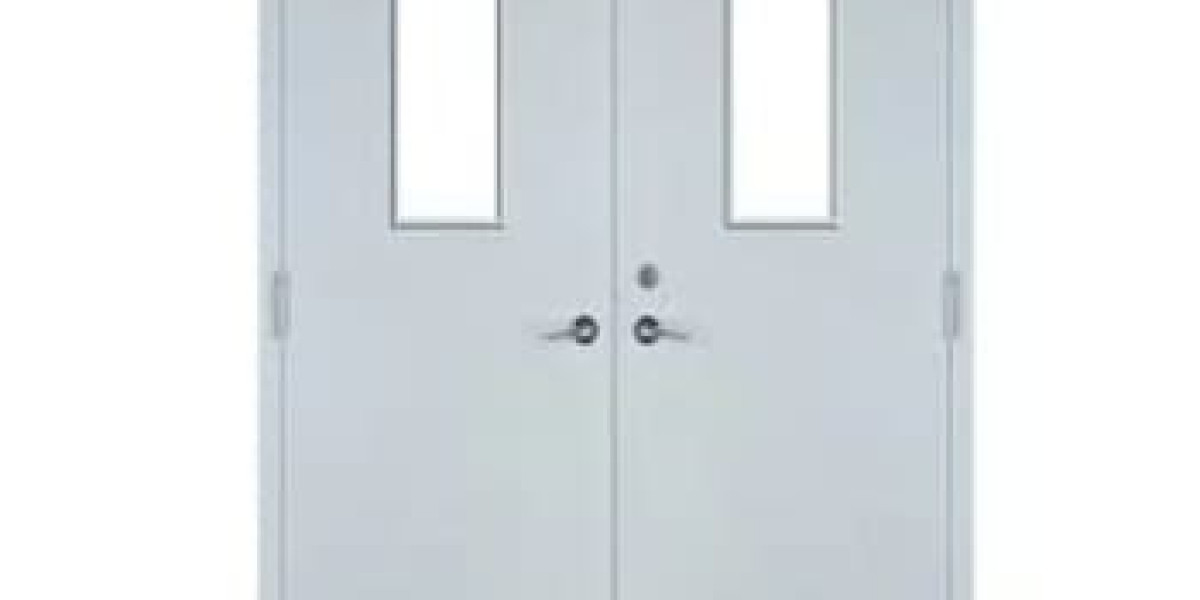

If you search for fire door manufacturers in India, you'll find dozens of "Top 10" lists. Most of them just name companies and repeat words like "leading" and "trusted." They don't tell you what to actually check before you sign a purchase order.
This post skips the rankings. It's a practical guide to what a fire door is supposed to do, which certifications actually matter, and what questions to ask a manufacturer before you buy whether you're a facility manager, an architect, or a government tender officer.
What Makes a Door "Fire Rated" in the First Place
A fire rated door isn't just a metal door. It's built to do three specific jobs during a fire:
· Hold back flames for a set number of minutes (this is called integrity)
· Stop heat from passing through so the other side doesn't catch fire too (this is called insulation)
· Stay structurally standing without warping or collapsing (this is called stability)
Ratings are written as time periods like 30, 60, 90 or 120 minutes. A "120-minute" door isn't rated to burn slower. It means the door was tested in a furnace and kept fire from breaking through to the other side for two full hours. That two hours is what gives people time to evacuate and firefighters time to respond.
A door only earns this rating if it passes an actual furnace test, as a complete assembly door leaf, frame, hinges, and seals together. A steel door that "looks" fire resistant but was never tested this way is not a fire door. This is the single most common gap buyers miss, and it's why the certification section below matters more than the marketing brochure.
Certifications: What They Actually Mean
Most manufacturer websites mention certifications without explaining them. Here's what to actually look for:
· IS 3614:2021, This is the Bureau of Indian Standards code for fire door testing. It sets out how doors must be tested for integrity, insulation, and stability. If a manufacturer quotes this standard, ask to see the actual test certificate, not just the standard's name.
· ISI mark — This means the product has been certified by BIS after independent lab testing, not just self-declared by the manufacturer.
· Third-party lab testing — Ask which lab tested the door and request the test report.
A certificate for "the material" is not the same as a certificate for "the door." Steel sheets, mineral wool, and hardware can each carry their own quality marks, but that doesn't mean the finished, assembled door has been fire-tested. Always ask which certificate covers the complete door assembly.
Features to Compare Across Fire Door Manufacturers
When you're getting quotes from different fire door manufacturers, specifications matter more than brand names. Ask each vendor for these details in writing:
Steel thickness of the door leaf and frame
· Core material — what's inside the door (this affects both fire resistance and weight)
· Intumescent strips — these are seals fitted around the door edge that stay invisible in normal use, but expand when heated to block smoke and flame from leaking through the gaps
· Hardware rating — hinges, locks, and closers also need to survive fire conditions; a fire-rated door with ungraded hardware defeats the purpose
· Glazing, if any — fireproof glass panels need their own fire rating, separate from the door itself
· Frame installation method — a fire door is only as good as how it's fitted into the wall; a poor frame installation can undo a correctly rated door
What to Ask About the Manufacturing Process?
A manufacturer's factory setup tells you a lot about consistency. Before ordering in bulk, it's worth asking:
· Do they manufacture in-house, or outsource to job-work vendors? Outsourced production makes quality harder to track order to order.
· What machinery do they use for cutting and shaping steel? CNC (computer-controlled) machines cut steel to precise, repeatable dimensions this matters because doors that are even slightly out of size won't seal properly.
· Is powder coating done in-house or outsourced? In-house coating usually means better control over finish and turnaround time.
· What's their production capacity per shift? This affects whether they can meet your project timeline, especially for large tenders.
Red Flags When Comparing Quotes
Fire doors get price-shopped often and that's where corners get cut. Watch for these warning signs:
· A quote that's noticeably cheaper than every other vendor, with no explanation of the difference in specification
· A manufacturer who can't produce an actual test certificate only a brochure or a general claim of "IS 3614 compliant"
· Reluctance to let you visit the factory or see a sample door
· Vague answers about steel thickness or core material when you ask directly
· No clarity on which hardware brand or rating comes fitted as standard
None of these automatically mean a manufacturer is dishonest. But they mean you need to ask more questions before signing.
A Buying Checklist
Before you finalise a fire door manufacturer, get clear, written answers to these:
1. What fire rating (in minutes) is this door tested for, and what's the test certificate number?
2. Is the certificate for the full door assembly, or just the raw material?
3. What's the steel thickness and core material?
4. Is the hardware (hinges, locks, closers) separately rated for fire?
5. What's the lead time for your order quantity, and is production in-house?
6. Can you visit the factory or request a sample before a bulk order?