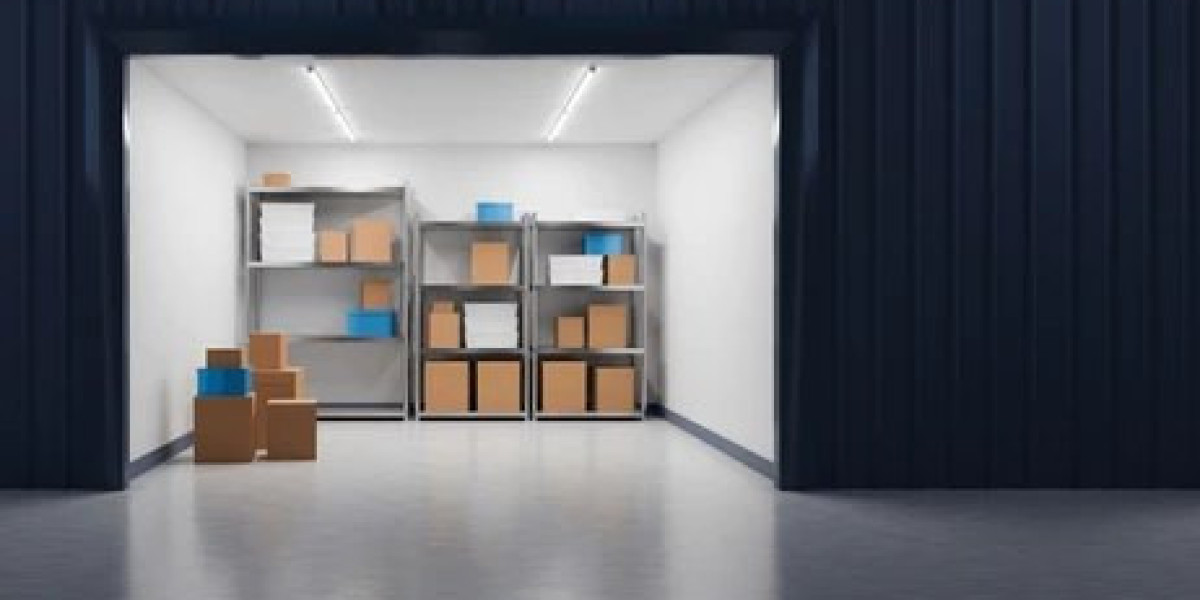

Choosing a storage unit sounds simple until you see all the available options. One of the most common questions people ask is whether a drive-up unit or a first-floor indoor unit is the better fit. If you have been comparing first floor storage vs drive-up storage, the answer depends on what you plan to store, how often you need access, and the level of protection you want for your belongings.
Both options offer convenient access, but they serve different purposes. Some people value speed and easy loading, while others prefer added protection from weather and a more controlled indoor environment. By understanding the strengths of each option, you can make a smarter decision and avoid paying for features you may not need.
What Makes Drive-Up Storage Different?
Drive-up storage units are located outdoors, allowing you to park your vehicle directly in front of the unit. Instead of carrying boxes through hallways or elevators, you simply open the door and unload.
This setup is especially useful if you have large furniture, heavy equipment, or multiple boxes. In addition, businesses often choose drive-up storage because employees can quickly load and unload inventory without wasting time.
Drive-up units are commonly used for:
Household furniture
Seasonal decorations
Lawn and gardening equipment
Business inventory
Tools and construction supplies
Recreational gear
If convenience is your top priority, drive-up storage offers one of the quickest loading experiences available.
Why Do Many People Choose First Floor Storage?
First-floor storage units are located inside the storage building. Although you cannot park directly beside your unit, you still avoid climbing stairs or using elevators.
Many people prefer indoor first-floor storage because it provides another layer of protection between their belongings and the outdoor environment. As a result, your items stay cleaner and experience less direct exposure to dust, rain, snow, or strong sunlight during loading and unloading.
These units work well for:
Electronics
Family keepsakes
Office documents
Clothing
Household décor
Smaller furniture
For customers who visit occasionally and want an indoor setting, first-floor storage is often an attractive choice.
Which Option Offers Faster Access?
If speed matters, drive-up storage usually wins.
You can pull your truck, SUV, or moving van directly to the entrance. That means fewer trips carrying heavy boxes across parking lots or hallways. This advantage becomes even more noticeable during a move when every minute counts.
However, first-floor indoor storage still provides relatively easy access. Since the unit is on the ground level, you avoid stairs while enjoying the benefits of an enclosed facility.
Think about how often you'll visit your unit. If you expect frequent trips, drive-up storage may save considerable time over the course of a year.
How Important Is Weather Protection?
Weather plays a major role when selecting a storage unit.
Drive-up units expose you to outdoor conditions while loading or unloading. Rain, snow, wind, or extreme summer heat can make moving items less comfortable.
On the other hand, first-floor indoor units allow you to move belongings inside a protected building. Although your items are safely stored in either option, indoor access offers added convenience during bad weather.
This difference becomes especially valuable if you're storing delicate household goods, paperwork, or items that you don't want exposed while moving them.
What Items Are You Planning to Store?
The answer often determines the best storage choice.
Large and Heavy Belongings
If you're storing appliances, couches, mattresses, or workshop equipment, drive-up storage usually makes loading much easier.
Since your vehicle parks directly outside, you spend less energy carrying oversized items over long distances.
Everyday Household Items
For boxes of clothing, kitchen supplies, decorations, or personal belongings, first-floor indoor storage provides a comfortable balance between accessibility and protection.
Many families appreciate the cleaner indoor environment when storing belongings for several months.
Does Security Differ Between These Storage Types?
Both storage options can provide excellent security when managed by a professional storage facility.
Many modern facilities offer features such as:
Gated property access
Security cameras
Bright exterior lighting
Individual unit locks
Well-maintained grounds
That said, some customers feel more comfortable with indoor first-floor storage because access is limited to the building itself before reaching individual units.
Regardless of which option you choose, selecting a trusted storage provider matters far more than choosing one access style over another.
Which Option Saves More Time During a Move?
Moving day rarely goes exactly as planned.
There are always extra boxes, unexpected delays, or furniture that seems much heavier than you remembered. Because of this, reducing unnecessary trips can make the process much smoother.
Drive-up storage shines during large residential moves.
You can load furniture directly from the moving truck into the unit without navigating hallways. Professional movers also appreciate this setup because it speeds up the entire process.
However, if your move involves mostly smaller boxes or personal belongings, the difference may not be significant enough to outweigh the advantages of indoor storage.
What About Business Storage?
Business owners often have different storage needs than homeowners.
Companies frequently store:
Product inventory
Marketing materials