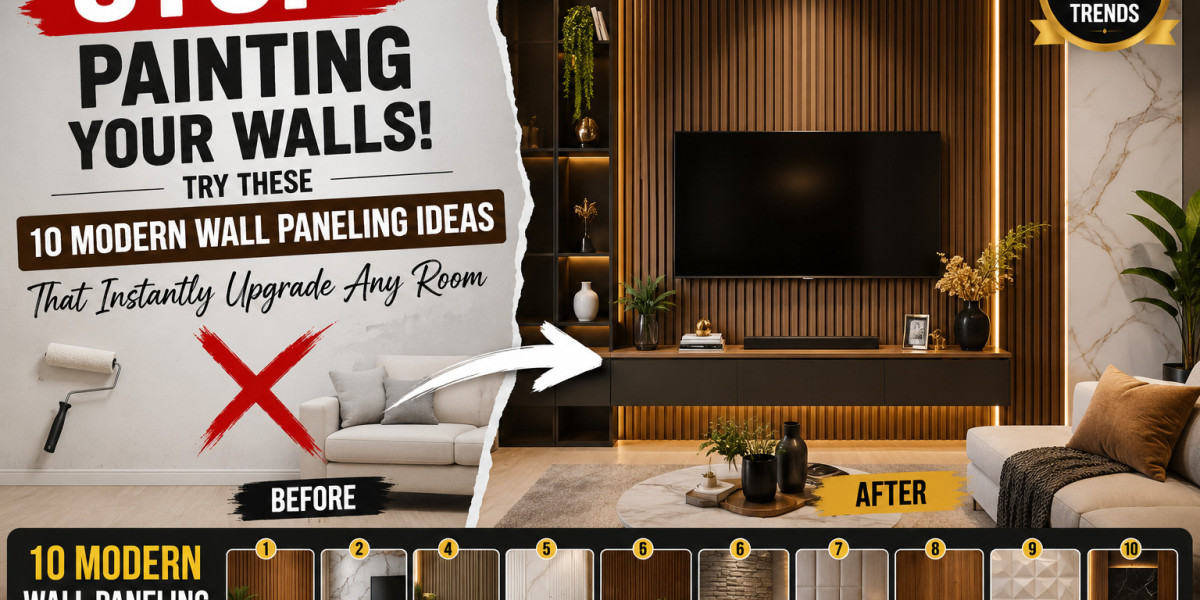

A beautifully designed room is rarely defined by furniture alone. The walls often determine whether a space feels ordinary or memorable. Yet many homeowners spend heavily on premium sofas, lighting, and décor while leaving their walls with nothing more than a coat of paint. The result is a room that looks unfinished, regardless of how expensive everything else may be.
Modern wall paneling changes that completely. It introduces texture, depth, warmth, and character without requiring a major renovation. More importantly, it protects walls from scratches, stains, and moisture, making it as practical as it is attractive.
The growing popularity of wall paneling is no coincidence. Interior designers now use decorative wall panels in living rooms, bedrooms, offices, and even bathrooms to create elegant interiors that last for years. Choosing the right design, however, requires understanding which materials suit different spaces and how each style influences the overall look.
This guide highlights ten modern wall paneling ideas that instantly elevate interiors while explaining where each style works best, its advantages, and the practical factors worth considering before making a decision.
Why Is Wall Paneling Becoming So Popular?
Paint creates a smooth finish, but it cannot provide texture or architectural interest. Wallpaper offers patterns but often struggles in humid conditions and can peel over time. Modern wall paneling combines visual appeal with durability, making it a preferred choice for contemporary homes.
Wall panels also help hide uneven surfaces, wiring, and minor wall imperfections without extensive civil work. Many premium panels are resistant to moisture, scratches, and daily wear, making them ideal for busy households.
For regions with humid weather, including Northeast India, moisture-resistant materials like WPC (Wood Plastic Composite) and laminate wall panels generally perform better than conventional wooden boards.
1. Wooden Slat Wall Paneling for a Contemporary Look
Few designs have gained as much popularity as vertical wooden slats. They add warmth while making ceilings appear taller.
This style works exceptionally well behind televisions, feature walls, dining areas, and entrance foyers. Light oak shades create a Scandinavian-inspired interior, while darker walnut finishes offer a more luxurious appearance.
2. Textured Laminate Wall Panels for Low Maintenance
Modern laminate wall panels closely resemble natural wood, stone, and fabric textures while requiring minimal upkeep.
Unlike painted walls, laminate surfaces resist stains and are easy to clean using a damp cloth. Decorative laminates from brands like Century Laminates provide numerous finish options suitable for residential and commercial interiors.
This makes them particularly suitable for living rooms, offices, hotel lobbies, and reception areas.
3. PVC Wall Paneling for Bathrooms and Utility Areas
Bathrooms experience constant moisture exposure, making material selection critical.
PVC wall paneling offers excellent water resistance while being lightweight and affordable. Unlike traditional wall finishes, PVC does not absorb moisture and requires very little maintenance.
Although PVC is practical, premium interiors often prefer WPC or decorative laminates because they provide a richer appearance.
4. WPC Wall Panels for Moisture-Prone Homes
Wood Plastic Composite, commonly known as WPC, combines wood fibres with thermoplastic materials to produce highly durable decorative panels.
WPC wall paneling is an excellent choice for humid climates because it resists swelling, termites, and moisture far better than natural wood.
This makes it particularly suitable for homes in regions where humidity remains high throughout the year.
5. Marble Finish Wall Panels for Luxury Interiors
Natural marble creates timeless elegance, but it is expensive and requires regular maintenance.
Marble-finish wall panels provide a similar visual effect while reducing installation costs and maintenance requirements. They are commonly installed behind television units, living room feature walls, hotel receptions, and luxury bedrooms.
Large marble-effect panels also reduce grout lines, creating a cleaner appearance.
6. Upholstered Wall Panels for Bedrooms
Bedrooms benefit from softer finishes.
Fabric or leather-upholstered wall panels create comfortable headboard walls while improving acoustic performance. They also add warmth, making large bedrooms feel more inviting.
These panels are available in numerous colours, allowing homeowners to coordinate them with furniture and curtains.
7. Stone-Look Wall Panels for Natural Appeal
Natural stone remains one of the most attractive wall finishes but often increases structural load and installation costs.
Stone-look decorative panels recreate this appearance while being significantly lighter. They are ideal for accent walls, fireplaces, entrances, balconies, and commercial spaces seeking a rustic aesthetic.
Proper lighting further enhances their textured surface.
8. Fluted Wall Panels for Modern Minimalist Interiors
Fluted wall paneling has become one of the strongest interior design trends in recent years.
Its evenly spaced grooves create subtle shadows that add depth without overwhelming the room. This style works particularly well in minimalist interiors where simplicity remains the primary design objective.
Neutral shades such as beige, grey, and walnut remain the most popular choices.
9. Decorative 3D Wall Panels for Statement Walls
Sometimes a room needs a focal point rather than additional decoration.
Three-dimensional wall panels introduce geometric patterns that immediately attract attention. They are frequently used in dining rooms, hotel receptions, conference rooms, and luxury living spaces.
Balanced lighting is essential because shadows highlight the panel's depth and texture.
10. Mixed Material Wall Paneling for Premium Interiors
Many luxury homes now combine multiple materials within a single feature wall.
Wooden slats, textured laminates, marble finishes, metal trims, and ambient LED lighting work together to create sophisticated interiors.
The secret lies in maintaining visual balance rather than adding every available material. Too many finishes often make a room appear cluttered instead of elegant.
Professional planning becomes particularly valuable when combining different textures and colours.
How to Choose the Right Wall Paneling?
Selecting the right wall paneling depends on more than appearance.
Several practical considerations should influence the decision:
- Room purpose and daily usage
- Moisture levels within the space
- Maintenance requirements
- Available budget
- Interior design theme
- Lighting conditions
- Installation complexity
A television wall may prioritise aesthetics, while a bathroom requires water resistance. Bedrooms often benefit from softer finishes, whereas offices generally favour durable laminate or fluted panels.
Are Modern Wall Panels Durable?
Durability largely depends on material quality and installation.
According to IS 2046, decorative laminates used for interior applications should meet specific performance standards regarding wear resistance and surface quality. Similarly, BIS-certified materials generally provide greater consistency than low-cost alternatives.
Premium decorative wall panels can last well over 15 years with proper installation and routine maintenance.
Cheap adhesive, poor surface preparation, and incorrect installation remain the leading reasons decorative panels fail prematurely.
Wall Paneling Maintenance Tips
Modern wall paneling requires surprisingly little maintenance.
Dust should be removed regularly using a microfiber cloth. Mild cleaning solutions work well for laminate and WPC panels, while abrasive chemicals should always be avoided.
Moisture should never remain trapped behind panels, making professional installation particularly important in bathrooms and kitchens.
Small maintenance habits significantly extend the lifespan of decorative wall paneling.
Is Wall Paneling Worth the Investment?
The answer depends on long-term priorities rather than initial cost.
Paint may appear economical at first, but frequent repainting, surface repairs, and fading gradually increase maintenance expenses. Decorative wall paneling provides a premium appearance while reducing ongoing maintenance.
For homeowners planning to stay in the same property for several years, quality wall paneling often delivers better long-term value than repeatedly repainting walls.
Final Thoughts
Modern wall paneling has evolved far beyond simple decorative boards. It now combines aesthetics, durability, and functionality in ways that traditional paint rarely achieves. The right panel transforms an ordinary wall into a defining feature while protecting the surface underneath from daily wear.
The most successful projects begin with choosing the right material rather than chasing the latest design trend. Moisture levels, maintenance expectations, lighting, and room function should always guide the decision before selecting colours or textures. A thoughtfully planned wall paneling installation continues to look impressive for years, while an impulsive choice often becomes an expensive correction. Investing in quality materials and skilled installation remains the smartest approach for creating interiors that feel refined, practical, and built to last.
FAQs
How long does modern wall paneling last?
Quality wall paneling can easily last 15 to 20 years or longer when installed correctly and maintained properly. Premium materials like WPC and decorative laminates generally offer excellent durability.
Which wall paneling is best for humid areas?
WPC wall panels and moisture-resistant laminate panels are among the best choices for humid climates. They resist swelling, termites, and moisture far better than traditional wooden panels.
Can wall paneling be installed over existing walls?
Yes. Most decorative wall panels can be installed directly over existing walls if the surface is clean, dry, and structurally sound. Professional installation ensures better alignment and durability.
Is wall paneling more expensive than painting?
The initial cost is higher than painting, but wall paneling often proves more economical over time because it requires less maintenance and lasts significantly longer.
Which rooms benefit the most from wall paneling?
Living rooms, bedrooms, dining areas, offices, entrance foyers, and television feature walls are the most popular spaces for decorative wall paneling. Moisture-resistant panels are also suitable for bathrooms and kitchens.





