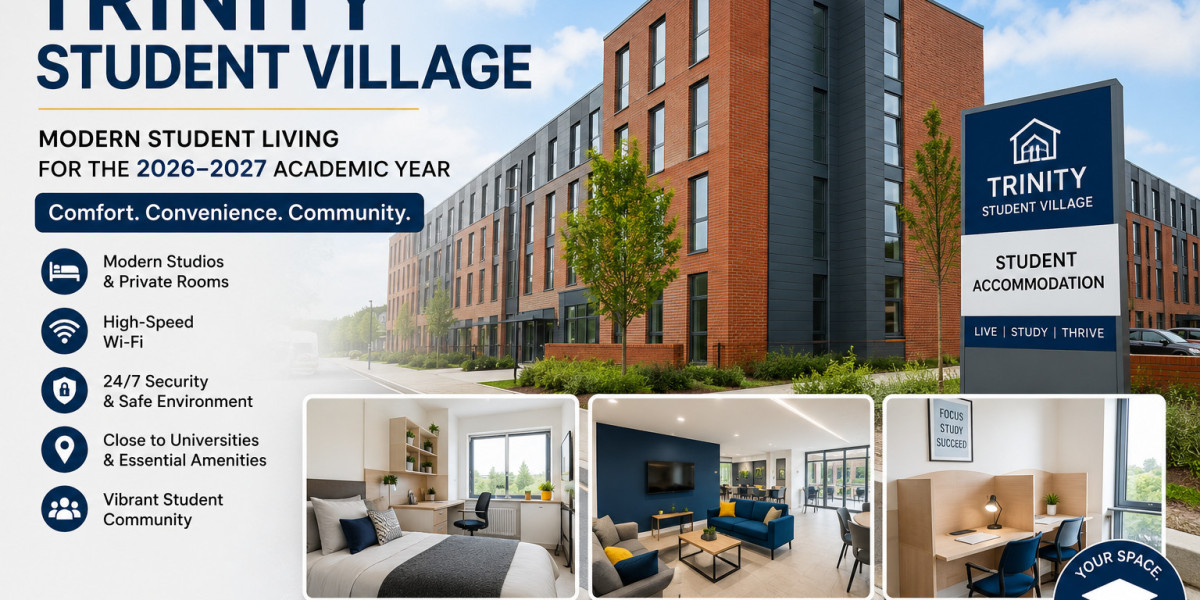

Choosing where to live during university is one of those decisions that quietly shapes your whole year. It affects how well you sleep, how easily you make friends, and even how focused you stay during exam season. If you've come across Trinity Student Village while researching accommodation options, you're probably weighing it against a handful of other choices and trying to work out whether it actually fits your lifestyle and budget. This article breaks down what typically matters most when evaluating a student village setup, so you can make a decision you won't second-guess in October.
What Makes a Student Village Different From Standard Halls
Traditional halls of residence tend to be more institutional — long corridors, shared facilities on every floor, and a fairly regimented feel. A student village, by contrast, usually mimics a small residential community. Think self-contained blocks or clusters of flats, communal green spaces, and a mix of private and shared living arrangements. Trinity Student Village follows this pattern, offering a setup that feels less like an institution and more like an actual neighbourhood you happen to live in during term time.
This distinction matters more than people expect. Students who've lived in both formats often say the village-style layout gives them more independence while still keeping that built-in social layer that halls are known for.
Location and Accessibility Matter More Than You Think
No matter how nice a building looks in photos, if it's a 40-minute bus ride from campus every morning, that convenience factor disappears fast. When looking into any student village, it's worth checking:
Distance to lecture halls and libraries
Proximity to supermarkets, pharmacies, and everyday essentials
Public transport links, especially for early morning or late evening classes
Walking routes and how safe they feel after dark
A well-located student village saves you time and money over the course of an academic year — two things that matter a lot more once you're actually living the reality of student life rather than just planning for it.
Room Types and Living Arrangements
Not every student wants the same thing. Some prefer a private studio with their own kitchen and bathroom, prioritising quiet and independence. Others want an en-suite room within a shared flat, where they still get privacy but also built-in flatmates and communal cooking spaces. A good student village setup usually offers a spread of these options, letting you pick based on your budget and how social you want your living situation to be.
If you're researching current listings and want to compare studio and shared options for the 2026–2027 academic year, resources like Urban HUB's studio listings are useful for getting a realistic sense of what's available and at what price point across different UK cities.
Facilities That Actually Get Used
It's easy to get swept up in glossy marketing photos of gyms, cinema rooms, and rooftop terraces. But it's worth asking which facilities students genuinely use day to day. Common ones that tend to matter more than the flashy extras include:
Reliable, fast Wi-Fi throughout the building
Laundry facilities that aren't constantly out of order
Secure bike storage
Study spaces separate from bedrooms
On-site maintenance and a responsive management team
A student village that gets the basics right consistently tends to be a better long-term choice than one that leans heavily on amenities you'll use twice a semester.
Community and Safety Considerations
One underrated benefit of village-style accommodation is the sense of community it can build. Shared courtyards, communal kitchens, and organised events give students natural opportunities to meet people outside their course. That said, safety should never be an afterthought. Look into on-site security, key fob or keypad entry systems, CCTV coverage, and how quickly issues get resolved if something goes wrong. A trustworthy accommodation provider will be transparent about all of this before you sign anything.
Final Thoughts
Trinity Student Village, like any accommodation option, comes down to fit. What works brilliantly for one student might not suit another's routine, budget, or social preferences. The best approach is to visit if you can, speak to current residents if possible, and compare it honestly against other student villages and halls in the same area. Take your time with the decision — it's one that affects far more of your daily life than it might seem at first glance.