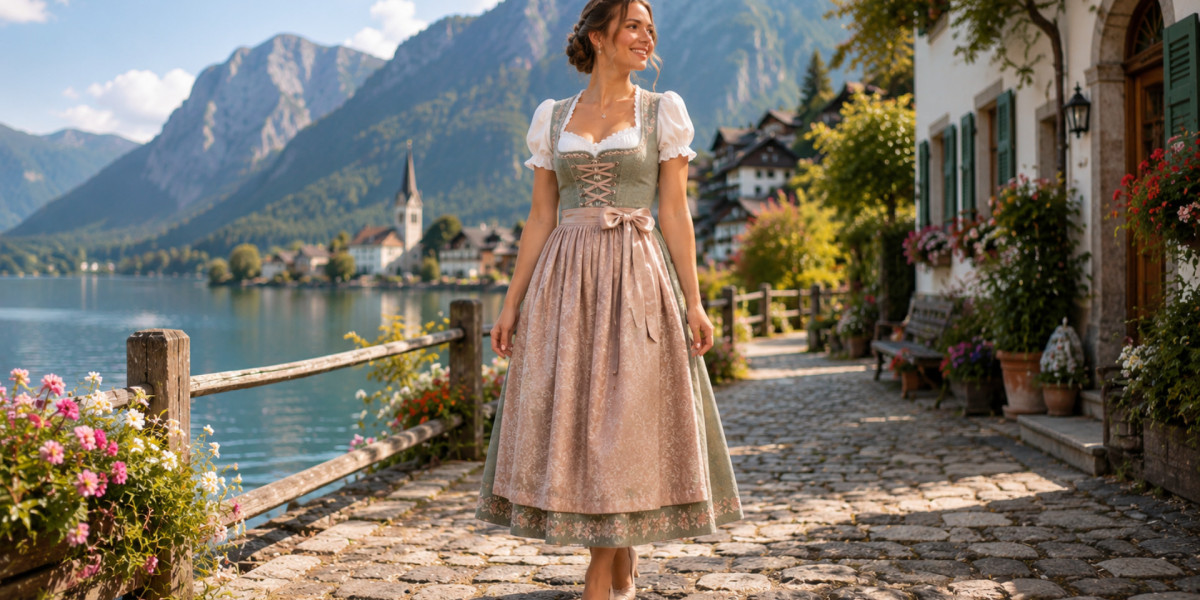

Building a complete Oktoberfest dirndl outfit from scratch is one of the most rewarding creative projects any woman with a passion for traditional Alpine fashion can undertake — a process that connects you directly to the centuries-old craft traditions behind one of the world's most recognized and celebrated traditional garments. Whether you are an experienced seamstress or an ambitious beginner, understanding the construction process behind a genuine dirndl gives you a completely new level of appreciation for the artistry and cultural significance built into every authentic piece. At Elederhosen, we celebrate that craftsmanship tradition in everything we offer.
A complete oktoberfest dirndl outfit consists of three fundamental pieces — the dress combining the structured bodice and pleated skirt, the cropped white under-blouse, and the matching apron — each requiring specific materials, construction techniques, and attention to traditional detail that together create the authentic Bavarian silhouette that makes this garment so extraordinary.
Why Building Your Own Dirndl Connects You to the Tradition
There is something uniquely meaningful about constructing a traditional garment by hand — especially one as culturally rich and precisely defined as the dirndl. Every construction decision you make, from the fabric you choose to the way you draft the bodice princess seams, mirrors the same decisions that Alpine tailors have been making for generations. Understanding those decisions from the inside out transforms the way you see and wear the final result.
At Elederhosen, we believe that knowledge of how a dirndl is built — even for women who ultimately choose to buy rather than sew — deepens every aspect of the authentic dirndl experience and makes every styling and purchasing decision more confident and culturally informed.
Material Checklist Before You Begin
Getting the materials right before you cut a single piece of fabric is the most important preparation step in building an authentic Oktoberfest dirndl outfit — because the wrong materials will undermine the construction quality and cultural authenticity of the final result regardless of how skilled the sewing is.
For the main dress, gather 3 to 4 meters of sturdy woven cotton, linen, brocade, or wool — all natural materials that provide the weight, structure, and drape that synthetic fabrics simply cannot replicate in a genuine traditional construction.
For the blouse, prepare 1 to 1.5 meters of lightweight white cotton, eyelet fabric, or lace, and for the apron choose 1 to 1.5 meters of silk, satin, or taffeta in a complementary color that creates the visual contrast the authentic dirndl silhouette depends on.
Hardware essentials include heavy-duty iron-on interfacing, strong cotton canvas or heavy muslin for bodice lining, a back or front zipper or traditional metal hooks and eyelets, and thin elastic bands for the blouse and apron construction.
Step One — Drafting and Assembling the Bodice
The bodice, known as the Mieder, is the structural and cultural heart of the entire dirndl outfit — and it must fit tightly against the torso without gaping at any point for the authentic Bavarian silhouette to work correctly.
Iron heavy-duty interfacing onto the wrong side of the outer bodice panels and baste an extra layer of structural cotton canvas interlining to create the smooth corset-like fit that defines genuine Tracht construction and separates it from costume imitations.
Sew decorative piping into the princess seams of the front and back panels for an authentically structured look, then sew the cotton lining pieces separately before pinning lining to outer shell right sides facing and stitching around the neckline and armholes.
Clip small slits into the curved seams around the bust and neckline to relieve tension before pulling right-side out and pressing with a hot iron, then install a heavy metal zipper or traditional buttonholes along the center front or back to complete the bodice closure.
Step Two — Constructing the Pleated Skirt
A traditional dirndl skirt must reach at least to the knee or mid-calf — never micro-short — and its construction requires generous fabric quantities and precise pleating technique to create the full flowing silhouette the authentic dirndl is known for.
Cut a large rectangle of fabric with a length running from the waist to the calf and a width equal to three times the waist measurement — this generous ratio is essential for creating the authentic volume and movement that defines the traditional dirndl skirt silhouette.
Fold the top edge into structured knife pleats or box pleats facing away from each other to reduce the fabric volume down to the exact waist measurement, securing the pleats with a temporary basting stitch before final attachment.
Place the bodice inside the pleated skirt right sides together, align the centers carefully, pin thoroughly, and stitch the skirt directly to the bottom edge of the bodice before hemming the bottom edge cleanly to the correct traditional length.
Step Three — Sewing the Cropped Blouse
The blouse is one of the most distinctive elements of the authentic dirndl outfit — a cropped garment that ends right below the bust line and uses elastic construction to stay securely in place beneath the snug bodice throughout a full day of festival wear.
Cut short front and back panels from lightweight white cotton or lace, then sew elastic channels along the neckline and bottom edge to create a custom sweetheart or off-the-shoulder shape and a ribcage-hugging bottom hem that prevents any fabric from bunching inside the dress.
Stitch short sleeves with elastic channels at the openings to form the classic bouncy puff sleeves that are one of the most recognizable and charming visual elements of the authentic traditional dirndl blouse across all regional styles.
The blouse should never extend below the bust line when worn — this precise cropped length is one of the most important construction details that separates a genuine authentic blouse from the standard shirts that first-time wearers often mistakenly substitute underneath their dirndl dress.
Step Four — Making the Apron
The apron is the final construction element and the one that adds the most immediate visual impact to the complete dirndl outfit — a beautiful contrasting pop of color and texture that also carries the famous traditional social signaling system built into its bow placement.
Cut a rectangle that sits roughly 2 to 3 centimeters shorter than the main skirt hem, hem the sides and bottom edge cleanly, then run two lines of basting stitches along the top edge and gather until the fabric covers only the front half of the waist.
Cut a long wide sash strip, fold it lengthwise, sew the edges, flip right-side out, and stitch it to the top of the gathered apron body — creating the voluminous bow tie that is both the most decorative and most culturally significant element of the entire dirndl outfit.
Tie the bow on the left if you are single, on the right if you are married or taken, at the front center for a traditional purity signal or privacy preference, and at the back center to indicate a widow or waitress — the cultural tradition that turns a simple bow into a meaningful personal statement.
Frequently Asked Questions
Q1: What is the most important material to get right when building an Oktoberfest dirndl outfit from scratch?
The bodice fabric and interlining are the most critical material choices — heavy-duty iron-on interfacing combined with cotton canvas interlining creates the structured corset-like fit that defines genuine Tracht construction. Without proper internal structure the bodice will sag, wrinkle, and lose the authentic silhouette that makes a dirndl look genuinely traditional.
Q2: How much fabric do I need to build a complete Oktoberfest dirndl outfit?
For the main dress you need 3 to 4 meters of sturdy natural fabric, 1 meter of cotton canvas or heavy muslin for lining, 1 to 1.5 meters of lightweight cotton or lace for the blouse, and 1 to 1.5 meters of silk or satin for the apron. Total fabric requirements vary by body size and skirt length preference.
Q3: What skirt length is correct for an authentic Oktoberfest dirndl?
The skirt must reach at least to the knee or mid-calf for genuine traditional authenticity — midi length at 60 to 70 centimeters is the most popular and culturally respected choice for modern Oktoberfest wear. Any skirt cut shorter than knee length is a costume-grade variation that does not meet authentic Tracht construction standards.
Q4: How do I achieve the correct pleating for a traditional dirndl skirt?
Cut the skirt fabric to a width of three times your waist measurement and fold the top edge into structured knife pleats or box pleats facing away from each other until the gathered width matches your exact waist measurement. Secure the pleats with basting stitches before attaching permanently to the bodice for a clean and authentic result.
Q5: Where can I find a ready-made authentic Oktoberfest dirndl outfit if I prefer not to sew?
Elederhosen offers a carefully curated collection of authentic Oktoberfest dirndl outfits crafted with genuine natural fabrics, proper multi-piece construction, and deep cultural respect for Alpine Tracht tradition. Every piece in our collection delivers the authentic quality and construction detail that this guide describes — beautifully made and ready to wear.
Final Thought
Building a complete Oktoberfest dirndl outfit from scratch is one of the most deeply satisfying ways to connect with the Alpine cultural tradition behind this extraordinary garment — because every construction decision, every fabric choice, and every finishing detail mirrors the same craftsmanship that has defined genuine Tracht for generations. Whether you choose to sew your own or invest in an authentic ready-made piece, the knowledge of how a dirndl is built makes every aspect of wearing one more meaningful, more confident, and more genuinely connected to the remarkable cultural heritage behind it.