
Effective treatment begins with an accurate understanding of a patient’s eye health. In modern ophthalmology, treatment decisions are no longer based solely on symptoms or basic visual assessments. Instead, clinicians rely on advanced examination techniques that provide detailed information about ocular structures, disease progression, and overall eye function. These insights help practitioners develop personalized treatment plans that address each patient's specific needs.
As eye diseases become more complex and patient expectations continue to grow, the importance of precise diagnosis has increased significantly. Advanced eye examination techniques allow clinicians to identify subtle abnormalities, monitor changes over time, and select the most appropriate treatment strategies. By improving the quality of clinical information available during the diagnostic process, these technologies play a critical role in supporting better treatment decisions and improving patient outcomes.
The Connection Between Diagnosis and Treatment
Treatment decisions are only as effective as the information on which they are based. When clinicians have access to detailed diagnostic findings, they can make more informed recommendations and reduce the likelihood of unnecessary or ineffective interventions.
Accurate diagnosis helps practitioners:
- Identify the underlying cause of symptoms
- Determine disease severity
- Select appropriate treatment options
- Monitor treatment effectiveness
- Predict potential complications
Without comprehensive examination data, important details may be overlooked, potentially affecting treatment outcomes.
Why Detailed Eye Assessments Matter
The eye consists of numerous interconnected structures that must function together to support clear vision. Even minor abnormalities can influence visual performance and ocular health.
Detailed assessments help evaluate:
- Corneal condition
- Lens clarity
- Ocular surface health
- Tear film stability
- Iris structure
- Anterior chamber characteristics
The ability to assess these structures thoroughly enables clinicians to develop treatment plans that are more precise and effective.
Supporting Early Disease Detection
Many ocular diseases progress gradually and often produce few symptoms during their early stages. Advanced examination techniques help clinicians identify subtle signs of disease before noticeable vision changes occur.
Early detection is particularly valuable for conditions such as:
Corneal Disorders
Minor corneal abnormalities can indicate infection, inflammation, or degenerative changes. Early identification allows clinicians to begin treatment before significant damage occurs.
Cataracts
Subtle lens changes can be monitored over time, helping practitioners determine the most appropriate timing for intervention.
Dry Eye Disease
Detailed evaluation of the ocular surface helps identify tear film instability and early signs of surface damage.
Ocular Inflammation
Inflammatory conditions often require careful assessment to determine severity and guide treatment decisions.
Early diagnosis creates opportunities for proactive management and improved patient outcomes.
Improving Diagnostic Accuracy
One of the primary benefits of advanced examination techniques is improved diagnostic accuracy. Enhanced visualization and detailed assessment help clinicians distinguish between conditions that may present with similar symptoms.
Improved accuracy supports:
- Better treatment selection
- Reduced diagnostic uncertainty
- More consistent clinical outcomes
- Faster initiation of therapy
- Improved patient confidence
Accurate diagnosis serves as the foundation for successful treatment planning.
The Role of Advanced Diagnostic Technology
Modern ophthalmology has benefited greatly from technological innovation. Advanced diagnostic systems provide clinicians with detailed information that was previously difficult to obtain through conventional examination methods.
Companies such as Matronix Optotechnik provide advanced ophthalmic diagnostic solutions designed to support detailed anterior segment evaluation. Their equipment enables eye care professionals to perform precise examinations that contribute to accurate diagnosis, effective treatment planning, and improved clinical efficiency.
These technologies help practitioners make evidence-based decisions while maintaining high standards of patient care.
Better Visualization Leads to Better Decisions
Visualization is one of the most important components of a successful eye examination. The ability to observe ocular structures in detail allows clinicians to identify abnormalities that may influence treatment recommendations.
Enhanced visualization helps evaluate:
- Corneal transparency
- Tissue integrity
- Surface irregularities
- Inflammatory changes
- Lens abnormalities
- Healing progression
More detailed clinical information leads directly to better treatment decisions and improved patient management.
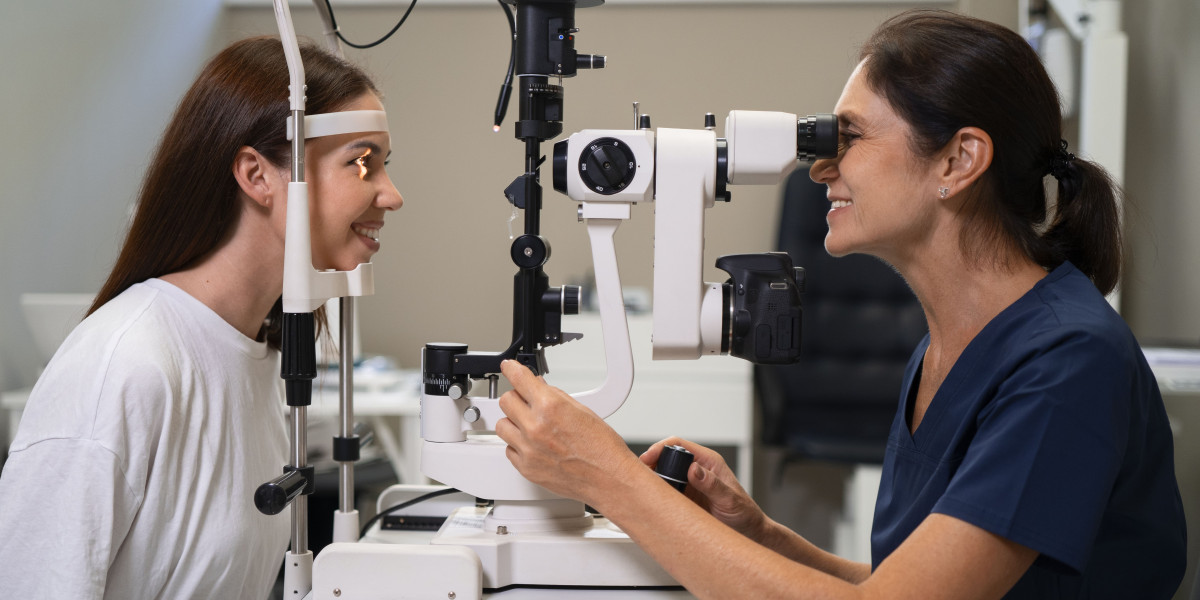
During a comprehensive Slit Lamp Test, clinicians can examine the cornea, conjunctiva, iris, lens, and surrounding structures with exceptional magnification and illumination, allowing them to detect subtle abnormalities that support accurate diagnosis and informed treatment planning.
Personalizing Treatment Plans
Every patient presents unique clinical characteristics and healthcare needs. Advanced examination techniques provide the detailed information necessary to develop individualized treatment strategies.
Personalized treatment planning may involve:
- Selecting appropriate medications
- Determining follow-up schedules
- Monitoring disease progression
- Adjusting treatment based on response
- Preventing future complications
Tailored care often leads to better outcomes and greater patient satisfaction.
Enhancing Long-Term Disease Management
Many ocular conditions require continuous monitoring and ongoing treatment adjustments. Advanced examination methods allow clinicians to evaluate disease progression accurately and determine whether current management strategies remain effective.
Long-term monitoring supports:
- Early identification of changes
- Evaluation of treatment response
- Prevention of disease progression
- Improved visual outcomes
- Better patient engagement
Consistent assessment helps practitioners provide proactive and effective care.
Improving Patient Confidence
Patients are more likely to trust treatment recommendations when they understand that decisions are based on thorough examinations and accurate findings.
Advanced diagnostic assessments improve patient confidence by:
- Demonstrating clinical precision
- Supporting transparent communication
- Providing clear evidence for recommendations
- Encouraging active participation in care
Confidence in the treatment process often leads to improved compliance and stronger patient-provider relationships.
Increasing Clinical Efficiency
Modern examination technologies also contribute to operational efficiency within eye care practices. Faster access to accurate diagnostic information allows clinicians to make timely decisions while maintaining high-quality care.
Benefits include:
- Reduced examination time
- Faster treatment initiation
- Improved workflow management
- Enhanced documentation
- Better resource utilization
Efficient diagnostic processes help practices serve patients more effectively without compromising accuracy.
Future Developments in Eye Examination Technology
Technological innovation continues to shape the future of ophthalmology. Emerging advancements are expected to further improve diagnostic precision and treatment planning capabilities.
Future developments may include:
- Artificial intelligence-assisted diagnostics
- Advanced imaging systems
- Automated disease detection
- Enhanced digital record integration
- Predictive clinical analytics
These innovations will continue to strengthen the relationship between accurate diagnosis and effective treatment.
Conclusion
Advanced eye examination techniques play a vital role in supporting better treatment decisions by improving diagnostic accuracy, enhancing visualization, enabling early disease detection, and facilitating personalized patient care. Through comprehensive assessments and modern diagnostic technologies, clinicians can gather the detailed information necessary to make informed decisions and achieve better clinical outcomes. As ophthalmic technology continues to evolve, advanced examination methods will remain essential for delivering high-quality, patient-centered eye care.