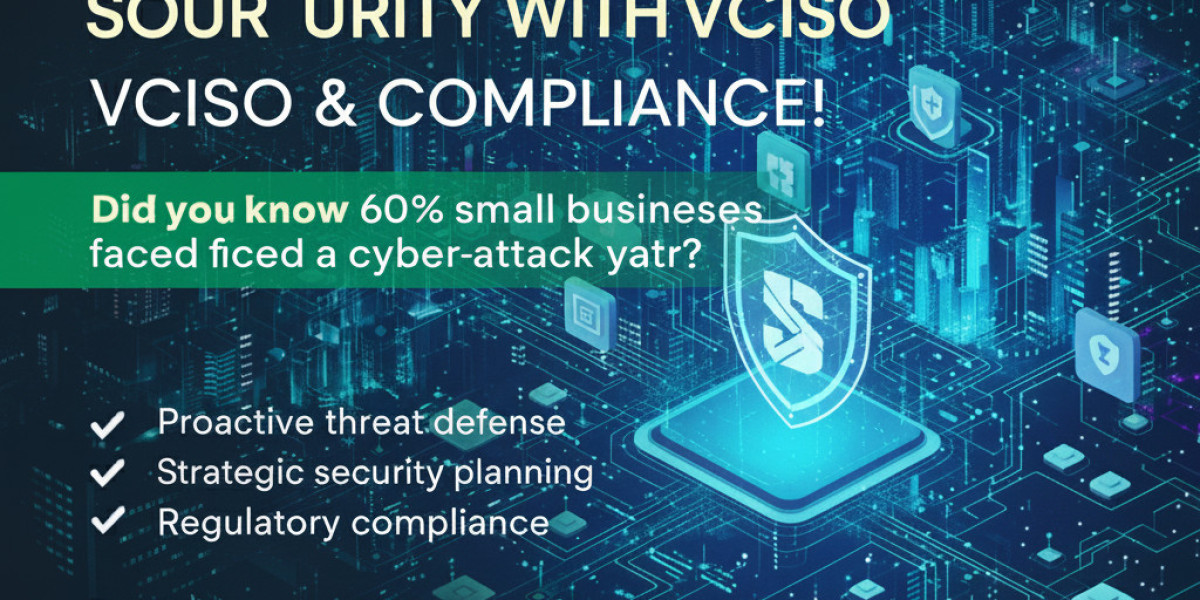

Cybersecurity has become one of the most significant business challenges facing Information and Communications Technology (ICT) organizations. Over the past year, cyber threats have continued to evolve, with ransomware attacks, cloud security breaches, supply chain vulnerabilities, and AI-powered cybercrime creating unprecedented risks for businesses of all sizes. While large enterprises often maintain dedicated cybersecurity leadership teams, many U.S. small and medium-sized enterprises (SMEs) struggle to access executive-level security expertise due to budget constraints and talent shortages.
According to industry reports, cybercriminals increasingly target SMEs because they often possess valuable customer data, intellectual property, and digital assets while lacking mature cybersecurity programs. At the same time, clients, partners, and regulators are demanding stronger security controls and greater accountability for data protection.
These challenges have accelerated demand for vCISO services. Organizations are recognizing that cybersecurity leadership is no longer optional it is essential for business continuity, risk management, and long-term growth. Through professional Virtual CISO services, ICT SMEs gain access to experienced cybersecurity leadership that helps align security initiatives with business objectives while improving resilience against emerging threats.
For growing technology-driven businesses, a vCISO model provides a strategic, scalable, and cost-effective way to strengthen cybersecurity governance without the expense of hiring a full-time Chief Information Security Officer.
What Are vCISO Services?
Understanding vCISO Services in Modern ICT Environments
vCISO services provide organizations with access to an experienced cybersecurity executive who delivers strategic guidance, governance oversight, risk management expertise, and security leadership on a flexible basis.
Unlike project-based consultants, a virtual Chief Information Security Officer works closely with business leadership to develop and oversee long-term cybersecurity initiatives.
Typical responsibilities include:
- Cybersecurity strategy development
- Security governance management
- Risk assessment and mitigation planning
- Compliance readiness initiatives
- Security policy development
- Incident response planning
- Third-party risk management
- Security awareness guidance
For ICT SMEs, these responsibilities help create a structured cybersecurity program that supports both operational and business objectives.
Why ICT SMEs Need vCISO Services
The cybersecurity landscape continues to become more complex every year.
Many ICT organizations face challenges such as:
- Increasing cyber threats
- Regulatory pressure
- Cloud security concerns
- Resource limitations
- Cybersecurity skills shortages
- Growing customer security expectations
Professional Virtual CISO services help address these challenges by providing strategic leadership and actionable security guidance.
Why vCISO Services Are Becoming Essential for ICT SMEs
Escalating Cyber Threat Activity
Over the past year, organizations have faced a growing range of cyber threats, including:
- Ransomware attacks
- Phishing campaigns
- Credential theft
- Insider threats
- Supply chain attacks
- Cloud environment vulnerabilities
Without dedicated cybersecurity leadership, organizations often struggle to manage these risks effectively.
Increased Compliance Expectations
Customers and business partners increasingly expect organizations to demonstrate mature cybersecurity practices.
Security governance and compliance readiness have become important competitive differentiators for ICT businesses.
Ongoing Cybersecurity Talent Shortages
The global cybersecurity workforce shortage continues to make hiring experienced security executives difficult and expensive.
vCISO services provide immediate access to expertise without the long-term costs associated with executive recruitment and retention.
11 Powerful Benefits of vCISO Services for U.S. ICT SMEs
1. vCISO Services Provide Executive-Level Cybersecurity Leadership
Organizations gain strategic guidance from experienced security professionals who understand both technology and business objectives.
2. vCISO Services Strengthen Risk Management
Comprehensive risk assessments help identify vulnerabilities and prioritize mitigation strategies.
This enables organizations to allocate resources more effectively.
3. vCISO Services Improve Security Governance
Strong governance frameworks establish accountability, oversight, and consistency across cybersecurity initiatives.
4. vCISO Services Enhance Compliance Readiness
Organizations can better prepare for customer requirements, audits, and industry security standards through structured compliance programs.
5. vCISO Services Improve Incident Response Preparedness
Well-defined incident response plans help organizations minimize operational disruption and recover more effectively from cyber incidents.
6. vCISO Services Support Strategic Security Planning
Long-term planning ensures security initiatives align with business growth and evolving risk landscapes.
7. vCISO Services Strengthen Security Awareness
Employee-related security incidents remain a significant concern.
Security awareness initiatives help reduce human-related risks and improve organizational resilience.
8. vCISO Services Optimize Security Investments
Organizations can prioritize cybersecurity initiatives that provide the greatest impact and return on investment.
9. vCISO Services Improve Third-Party Risk Management
Vendor relationships introduce additional cybersecurity risks.
Structured assessments help identify and manage third-party exposures.
10. vCISO Services Support Cloud Security Initiatives
As ICT organizations expand cloud adoption, strategic oversight becomes essential to maintaining security and governance standards.
11. vCISO Services Build Long-Term Cyber Resilience
Continuous improvement strategies help organizations adapt to evolving threats while strengthening overall cybersecurity maturity.
Key Cybersecurity Challenges Facing ICT Organizations
vCISO Services Address Resource Constraints
Many SMEs lack dedicated security leadership and internal cybersecurity expertise.
A virtual security leadership model helps bridge this gap while maintaining operational flexibility.
vCISO Services Improve Security Program Maturity
Organizations often operate with fragmented security controls and inconsistent processes.
Structured cybersecurity programs improve visibility, accountability, and effectiveness.
vCISO Services Support Rapid Technology Growth
ICT companies frequently adopt new technologies, cloud platforms, and digital services.
Strategic cybersecurity oversight ensures growth initiatives remain aligned with risk management objectives.
Implementing vCISO Services Successfully
Step 1: Assess Current Cybersecurity Posture
Organizations should evaluate:
- Existing security controls
- Risk exposure
- Governance processes
- Compliance requirements
- Incident response readiness
This assessment establishes a foundation for future improvements.
Step 2: Develop a Cybersecurity Roadmap
A roadmap helps prioritize initiatives based on business objectives and risk levels.
It provides a structured approach to improving cybersecurity maturity.
Step 3: Strengthen Governance and Policies
Effective security policies support consistency, accountability, and compliance across the organization.
Step 4: Enhance Incident Response Capabilities
Preparation improves resilience and enables organizations to respond effectively to evolving cyber threats.
Step 5: Establish Continuous Security Improvement
Cybersecurity is an ongoing process that requires regular evaluation, monitoring, and adaptation.
Continuous improvement helps maintain long-term effectiveness.
How IBN Technologies Supports vCISO Services
IBN Technologies provides specialized cybersecurity solutions that help organizations strengthen governance, manage risks, and improve security resilience.
Key cybersecurity support areas include:
- vCISO services
- Cybersecurity strategy development
- Risk assessment and management
- Security governance support
- Compliance readiness initiatives
- Security policy development
- Incident response planning
- Cybersecurity program optimization
For ICT SMEs, these services provide access to experienced cybersecurity leadership that helps improve security posture while supporting business growth and operational efficiency.
By implementing structured cybersecurity frameworks and strategic governance practices, organizations can reduce risks and strengthen resilience in an increasingly complex threat landscape.
Conclusion
The cybersecurity challenges facing ICT organizations continue to grow in both complexity and scale. From ransomware and cloud security risks to compliance requirements and third-party vulnerabilities, businesses need strong leadership to navigate today's threat environment successfully.
Through professional vCISO services, U.S. SMEs gain access to executive-level cybersecurity expertise that strengthens governance, improves risk management, and supports long-term resilience. Combined with comprehensive Virtual CISO services, organizations can establish scalable security programs that align cybersecurity initiatives with business objectives.
As cyber threats continue to evolve, organizations that invest in strategic security leadership will be better positioned to protect critical assets, maintain customer trust, and achieve sustainable growth.
Ready to Strengthen Your Cybersecurity Strategy?
Discover how IBN Technologies can help your organization enhance cybersecurity governance, improve risk management, and build a stronger security foundation through scalable vCISO services designed for growing ICT businesses.