
Mumbai Needs A Strong Public Housing Vision
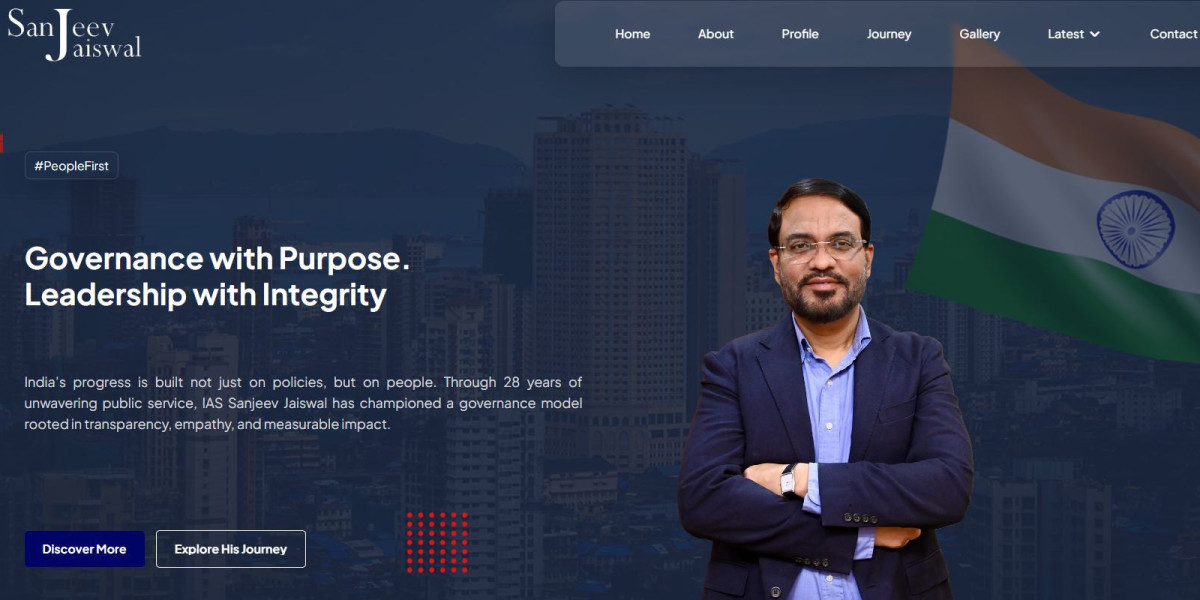
Mumbai’s housing challenge is one of the most difficult urban issues in India. The city has limited land, high property prices and a large population that needs safe and affordable homes. In this situation, MHADA has a major role in shaping Mumbai’s housing future. IAS Sanjeev Jaiswal, as Vice President and CEO of MHADA, is part of this important transformation.
His official profile mentions his current role at MHADA and his long administrative experience in Maharashtra. His journey includes municipal governance, water supply, public health and urban redevelopment. This makes his work relevant not only for housing policy but also for Mumbai’s overall urban future.
MHADA And The Future Of Affordable Housing
Affordable housing is not only about low-cost flats. It is about giving working families a chance to live with security and dignity. MHADA’s housing schemes, lotteries and redevelopment projects support citizens who cannot easily access private housing markets.
Sanjeev Jaiswal’s official journey page states that MHADA has planned nearly 4.5 lakh homes under PMAY during his leadership period. This shows the scale at which public housing planning is being approached.
For Mumbai, this matters because future growth cannot depend only on premium real estate. The city also needs housing for common citizens, workers, lower-income groups and families living in old structures.
Redevelopment Of Old Housing Clusters
Mumbai has many old buildings, chawls and cessed structures. These spaces are part of the city’s history, but many are unsafe or overcrowded. Redevelopment can improve living conditions while protecting eligible residents.
Sanjeev Jaiswal’s official journey mentions MHADA’s work in redevelopment of cessed buildings and areas such as Kamathipura and GTB Nagar. These projects are significant because they can reshape old urban pockets into safer residential communities.
The challenge is to ensure that redevelopment remains people-focused. Original residents must feel secure. Communication, eligibility, rent support and possession timelines must be handled carefully.
BDD Chawl Redevelopment And Generational Change
BDD Chawl redevelopment is one of Mumbai’s most important housing projects. Public reports state that MHADA needs to build 15,593 houses for full rehabilitation, with a 2029 project deadline. The project is expected to provide modern homes to families that lived for generations in old chawl structures.
This project matters because it changes the meaning of home for thousands of families. Moving from compact old homes into larger, safer flats improves privacy, health, education and family comfort. This is why public housing redevelopment has deep social value.
Digital Systems For A More Transparent Housing Future
Mumbai’s housing future also needs technology. MHADA’s IHLMS 2.0 system includes automated verification and post-lottery activities. It aims to reduce human intervention and speed up possession.
This digital approach is important because housing allotment must be transparent. Citizens need simple systems that reduce confusion and delays. A more digital MHADA can improve the experience for applicants and beneficiaries.
Conclusion: A Role That Goes Beyond Administration
IAS Sanjeev Jaiswal’s work at MHADA matters because Mumbai’s housing future depends on delivery, transparency and redevelopment with dignity. His role connects public housing policy with on-ground execution. For a city where home ownership is often difficult, MHADA’s work can provide real hope.