
The true soul of India’s desert state does not reside solely within its magnificent palaces and towering forts. To experience the authentic, living heritage of this region, one must venture into the rural landscapes where ancient traditions are preserved with fierce devotion. If you are planning a comprehensive Rajasthan heritage tour, stepping beyond the urban centers into the rustic countryside offers an unparalleled glimpse into a lifestyle completely attuned to nature. Among these rural experiences, none is more profound or culturally enriching than embarking on a journey to the villages of the Bishnoi community near Jodhpur. It is a journey where conservation meets culture, revealing a side of the desert that most conventional tourists completely overlook.
Choosing a reputable travel agency in Rajasthan ensures that your exploration into these sensitive cultural spaces is conducted respectfully and authentically. The Bishnoi community is globally renowned as one of the world's first true eco-warriors. Founded in the 15th century by Guru Jambheshwar, the community follows 29 sacred principles dedicated strictly to environmental conservation and wildlife protection. For centuries, the Bishnoi people have coexisted peacefully with nature, protecting trees and animals even at the cost of their own lives. This deep-rooted philosophy transforms a simple village visit into an inspiring lesson in sustainable living and ecological harmony.
The Sacred Connection Between People and Wildlife
When you enter a Bishnoi village, the immediate change in environment is striking. Wildlife thrives here without fear of human interference. It is incredibly common to see herds of elegant Blackbucks, Chinkaras, and Nilgai roaming freely near human settlements. The villagers view these animals not as wild beasts, but as part of their extended family.
Birds like the Demoiselle Crane migrate here in massive numbers, finding refuge in the local village ponds. The Bishnoi people actively guard these waters, ensuring that no hunter or poacher disturbs their sanctuary. This sacred bond creates an open-air wildlife haven that feels entirely different from a managed national park, offering a raw, untouched perspective of the Thar Desert's ecosystem.
Experiencing Master Craftsmanship and Local Artistry
A crucial highlight of this rural excursion is witnessing the incredible heritage crafts that have been passed down through generations. The local artisans possess immense skill, and watching them work provides a profound appreciation for traditional Indian craftsmanship.
Traditional Salawas Weaving: The village of Salawas is famous for its hand-woven durries (rugs). Local weavers use manual wooden looms to create intricate geometric patterns using camel hair, goat hair, and cotton.
The Art of Pottery: In the potter’s hamlet, you can watch a master craftsman turn a simple lump of clay into beautiful, functional vessels using a manually spun stone wheel. Visitors are often invited to try their hand at the wheel, connecting physically with an ancient art form.
Hand-Block Printing: Witnessing the meticulous process of natural dyeing and wooden block printing reveals how local communities have long utilized organic materials to create vibrant textiles.
Witnessing the Sacred Opium Ritual
For those looking to dive deeper into local customs, booking a specialized jodhpur full day tour allows ample time to witness the traditional Amal Sabha. This is a historic opium filtration ceremony that serves as a symbol of peace, hospitality, and social bonding among the village elders.
During this gathering, opium is filtered through an elaborate process and offered to guests from the palm of the host's hand. It is a strictly cultural ritual meant to settle disputes, celebrate friendships, and welcome travelers into the community. Sitting on the pristine mud floors of a traditional hut while listening to the elders share folklore offers an authentic, immersive experience that standard sightseeing packages simply cannot replicate.
Traditional Architecture and Sustainable Living
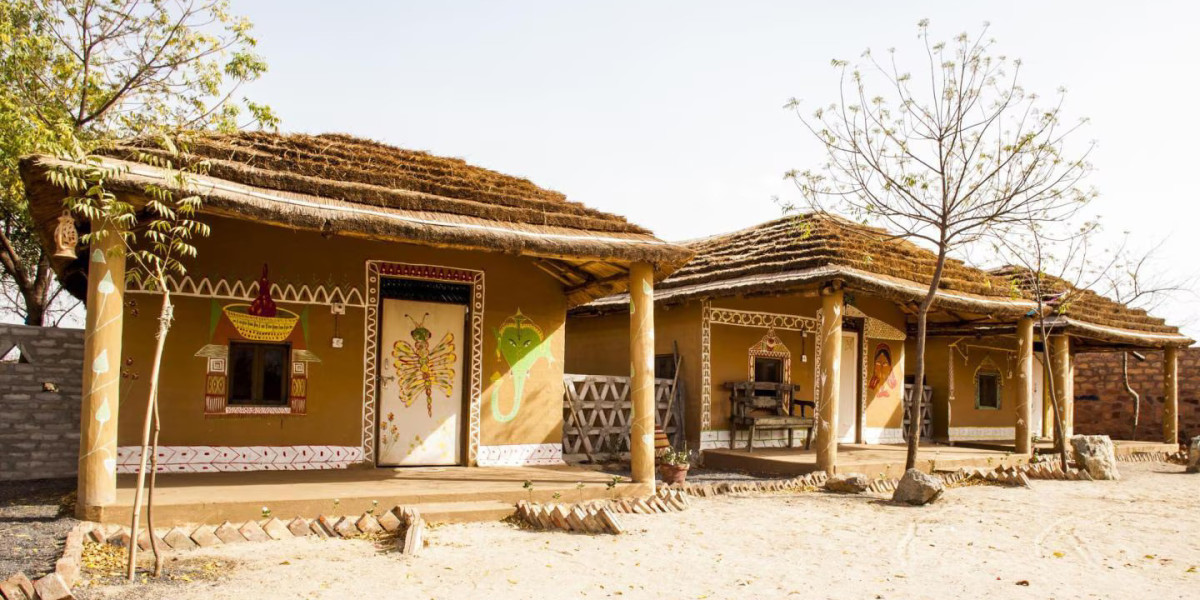
The lifestyle of the Bishnoi community serves as a masterclass in architectural sustainability. The villages consist of beautifully maintained clusters of huts called dhanis. These round huts are constructed using locally sourced mud, clay, and cow dung, topped with conical thatched roofs made from desert grass.
This specific design is highly functional, keeping the interiors remarkably cool during the blistering desert summers and comfortably warm during the cold winter nights. The outer walls are frequently adorned with beautiful, hand-painted white chalk motifs that reflect the community's artistic spirit and reverence for nature. Walking through these spotless courtyards reveals a minimalist, waste-free lifestyle that challenges modern consumer habits.
Practical Travel Tips for Your Cultural Journey
To get the most out of your cultural exploration while maintaining a respectful presence, keep a few essential travel practices in mind. The best time to plan this journey is between October and March when the desert weather is pleasant, and migratory birds are highly active around the village lakes.
Always ask for explicit permission before photographing the villagers or entering their private homes, as they value their privacy despite their immense hospitality. Dress modestly out of respect for local customs, and consider purchasing handicrafts directly from the artisans. Buying rugs or pottery directly from the creators ensures your travel expenditures directly support the local rural economy, helping preserve these irreplaceable cultural traditions for generations to come.