
An enlarged prostate, medically known as benign prostatic hyperplasia (BPH), is a common condition that affects a large number of men, especially as they age. The prostate gland naturally grows over time, but in some cases, it becomes large enough to press against the urethra and interfere with normal urine flow. This can lead to a range of uncomfortable urinary symptoms that affect daily life and sleep quality.
Fortunately, modern medicine now offers advanced solutions that do not require traditional surgery. Today’s enlarged prostate treatment options focus on minimally invasive procedures that are safer, quicker, and more comfortable for patients.
Understanding Enlarged Prostate (BPH)
The prostate is a small gland located below the bladder and surrounds the urethra, which carries urine out of the body. When the prostate enlarges, it can restrict the flow of urine, leading to bothersome symptoms.
Common symptoms of BPH include:
Frequent urination, especially at night
Weak or slow urine stream
Difficulty starting urination
Feeling of incomplete bladder emptying
Sudden urgency to urinate
Although BPH is not cancerous, its symptoms can significantly impact quality of life. That is why timely diagnosis and appropriate treatment are important.
Causes and Risk Factors
Several factors can contribute to prostate enlargement, including:
Age (most common in men over 50)
Hormonal changes
Family history
Lifestyle factors such as diet and inactivity
While the exact cause is not fully understood, aging remains the strongest risk factor.
Modern Approach to Treatment
In the past, surgery was the primary option for severe cases of BPH. However, advancements in medical technology have introduced minimally invasive techniques that are now widely preferred.
Modern enlarged prostate treatment focuses on reducing symptoms without major surgery, allowing patients to recover faster and experience fewer complications.
Minimally Invasive Treatment Options
Several effective minimally invasive procedures are available today:
1. Prostate Artery Embolization (PAE)
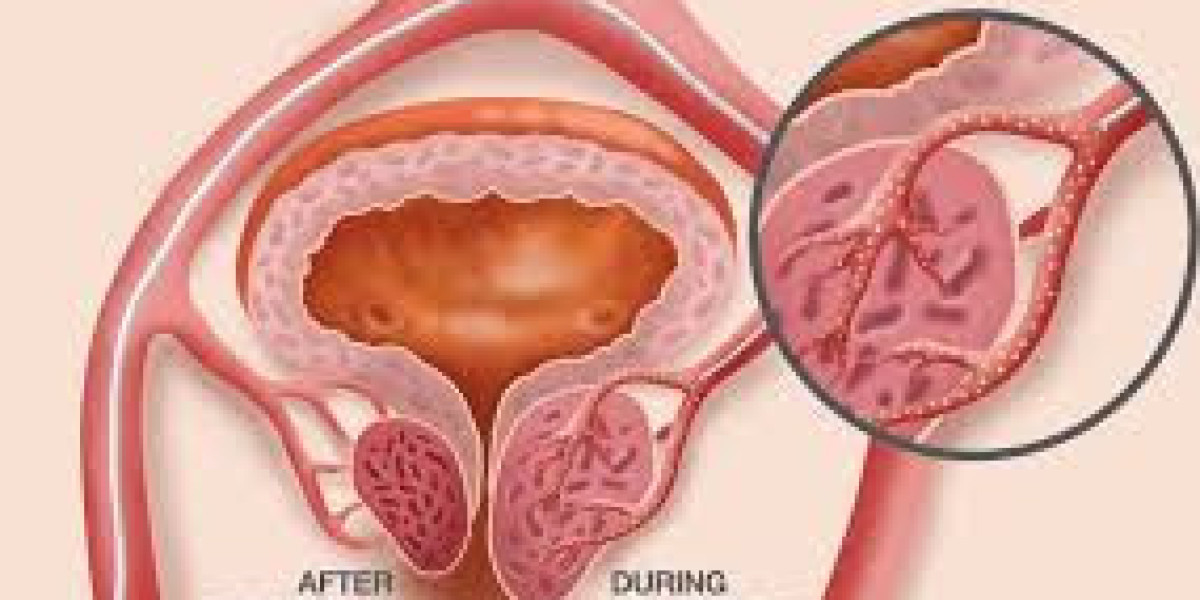
This innovative procedure involves blocking the blood supply to the enlarged prostate. A small catheter is inserted into a blood vessel, and tiny particles are used to reduce blood flow, causing the prostate to shrink gradually.
2. UroLift System
Small implants are used to lift and hold the enlarged prostate tissue away from the urethra, improving urine flow without cutting or removing tissue.
3. Laser Therapy
Laser energy is used to remove or shrink excess prostate tissue, improving urinary symptoms.
4. Transurethral Microwave Therapy (TUMT)
Microwave energy is used to destroy excess prostate tissue and reduce blockage.
These procedures are typically performed on an outpatient basis, meaning patients can return home the same day.
Benefits of Minimally Invasive Treatment
Choosing a modern approach to BPH management offers many advantages:
1. No Major Surgery Required
There are no large incisions or surgical wounds, which reduces pain and recovery time.
2. Faster Recovery
Most patients resume normal activities within a few days.
3. Lower Risk of Complications
Minimally invasive techniques reduce risks such as infection and bleeding.
4. Preservation of Function
Many procedures aim to preserve normal urinary and sexual function.
5. Outpatient Procedure
Patients can typically return home the same day.
These benefits make modern enlarged prostate treatment a preferred choice for many patients.
Who Needs Treatment?
Men who experience moderate to severe urinary symptoms that interfere with daily life are usually candidates for treatment. It is especially recommended for those who:
Have difficulty urinating
Experience frequent nighttime urination
Do not respond to medication
Prefer non-surgical options
Want faster recovery and minimal downtime
A proper medical evaluation is essential to determine the best treatment option.
What to Expect During Treatment
Understanding the process helps patients feel more comfortable.
Before Treatment:
A consultation is performed, including symptom evaluation and diagnostic tests such as ultrasound or PSA testing.
During Treatment:
Depending on the procedure, minimally invasive techniques are used under local or mild anesthesia. The goal is to reduce prostate size or relieve pressure on the urethra.
After Treatment:
Patients are monitored for a short time and usually discharged the same day. Mild discomfort may occur but typically resolves quickly.
Recovery and Aftercare
Recovery from minimally invasive prostate procedures is generally smooth. Patients are advised to:
Drink plenty of fluids
Avoid heavy lifting for a few days
Follow prescribed medications
Attend follow-up visits
Most individuals notice gradual improvement in urinary symptoms over several weeks.
Long-Term Results and Quality of Life
One of the biggest advantages of modern treatment is long-term symptom relief. Patients often experience:
Improved urine flow
Reduced nighttime urination
Better bladder control
Enhanced overall comfort
By addressing the root cause, modern enlarged prostate treatment helps improve both physical health and quality of life.
Why Minimally Invasive Treatment Is Preferred
Compared to traditional surgery, minimally invasive options are safer, less painful, and require significantly less recovery time. These treatments are designed to reduce symptoms while preserving normal function, making them ideal for many patients.
Final Thoughts
An enlarged prostate is a common condition, but it no longer needs to disrupt daily life. With advancements in medical technology, patients now have access to safe and effective treatment options that do not involve major surgery.
Minimally invasive procedures provide a modern solution that focuses on comfort, safety, and long-term relief. If you are experiencing urinary symptoms, consulting a specialist can help you explore the best treatment approach for your condition.