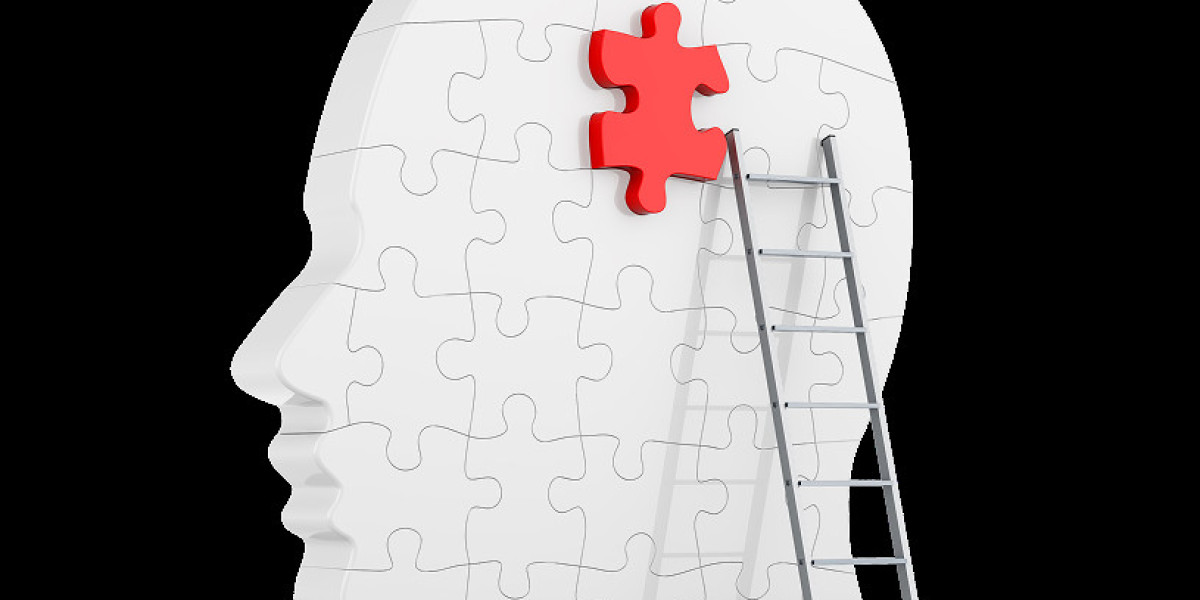

IQ and personality tests have been used for decades in schools, workplaces, and even clinical settings to measure human ability and behavior. They are often treated as scientific tools that can summarize intelligence, predict success, or describe personality in a neat profile. But the real question remains: do these tests truly define who you are as a person?
The short answer is no, they do not define you completely. They can offer useful insights, but they only capture limited aspects of human complexity. To understand why, it is important to look at what these tests measure, where they fall short, and how they are used in real life.
What IQ Tests Actually Measure
IQ, or intelligence quotient, tests are designed to measure certain cognitive abilities. These include logical reasoning, pattern recognition, mathematical ability, memory, and verbal comprehension. The idea is to estimate general mental capability in comparison to others in the same age group.
While IQ scores can sometimes predict academic performance or problem solving skills, they do not measure creativity, emotional intelligence, leadership ability, or social skills. A person with an average IQ may still be highly successful in life due to determination, adaptability, or interpersonal skills. Similarly, someone with a high IQ may struggle in real world situations that require emotional awareness or teamwork.
IQ tests also assume that intelligence is a fixed trait, but modern psychology suggests that intelligence is more flexible. Learning, environment, education, and life experiences all shape how cognitive abilities develop over time.
The Purpose of Personality Tests
Personality tests aim to describe patterns in how people think, feel, and behave. Common frameworks include traits such as introversion versus extroversion, openness, conscientiousness, agreeableness, and emotional stability.
These tests are widely used in hiring processes, career counseling, and self development. They help organizations understand how a person might behave in a team, handle stress, or respond to responsibilities.
However, personality is not a fixed label. People adapt their behavior depending on context. Someone may be outgoing with friends but reserved at work. Another person may appear calm in daily life but become highly competitive in challenging situations.
Because of this, personality tests can only provide a snapshot of tendencies, not a complete identity.
Limitations of IQ and Personality Testing
One of the biggest limitations of both IQ and personality tests is that they reduce complex human behavior into simple categories or numbers. Human beings are influenced by culture, emotions, upbringing, health, and life experiences. These factors cannot be fully captured in a standardized test.
Another issue is test conditions. Stress, fatigue, misunderstanding of questions, or lack of motivation can all affect results. A person might perform poorly on a test not because of their true ability but because of external circumstances at the time.
Cultural bias is also a concern. Some IQ and personality tests are designed based on specific populations and may not accurately reflect individuals from different cultural or linguistic backgrounds.
Finally, people can change over time. Personality evolves with age, experiences, and personal growth. A test taken at one stage of life may not reflect who someone becomes later.
How These Tests Are Used in Real Life
Despite their limitations, IQ and personality tests are still widely used in education, psychology, and employment. In schools, IQ tests may help identify learning difficulties or gifted students. In psychology, they may assist in diagnosing cognitive conditions.
In the workplace, personality tests are often used during hiring to assess whether a candidate might fit into a company culture or team structure. Employers may want to understand how someone handles pressure, communicates, or collaborates.
However, relying too heavily on these tests can be misleading. A candidate who performs well on a personality test may not necessarily perform well in real job situations. Likewise, someone who scores lower may still excel due to experience, motivation, and practical skills.
This leads many people to ask practical questions such as how do you pass a personality test for a job
The reality is that there is no universal trick to passing such tests. Most employers are not looking for perfect answers but for consistency and honesty. Trying to manipulate results can backfire if answers appear contradictory or unrealistic. The best approach is to answer honestly while understanding the job requirements and reflecting on your genuine working style.
Can These Tests Predict Success
One of the most debated topics in psychology is whether IQ and personality tests can predict life success. Research shows that they can provide partial indicators but not definitive outcomes.
IQ may correlate with academic achievement, but it does not guarantee career success, wealth, or happiness. Many other factors play a role, including perseverance, emotional intelligence, networking ability, and opportunity.
Similarly, personality traits like conscientiousness can be linked to job performance, but they are not absolute predictors. A highly disciplined person may succeed in structured environments, while a creative but less organized individual may thrive in innovative fields.
Success is multi dimensional, and no single test can capture all its components.
The Human Element That Tests Cannot Measure
What IQ and personality tests fail to measure is the human experience itself. They cannot fully capture resilience, empathy, moral values, or personal growth. They cannot measure how someone reacts after failure, how they treat others in difficult times, or how they evolve through life challenges.
Two people with identical test results may live completely different lives. One may become a leader, another an artist, another a teacher, each shaped by choices, environment, and opportunities.
Human identity is not static. It is a combination of learned behavior, emotional depth, and continuous adaptation. Reducing this complexity to a score or category oversimplifies what it means to be human.
The Role of Self Awareness
Instead of viewing IQ and personality tests as definitive labels, they are better used as tools for self reflection. They can help individuals understand their strengths and weaknesses, communication style, and cognitive preferences.
For example, someone who learns they are more introverted might choose environments that allow for focused independent work. Someone who discovers they score high in conscientiousness may use that strength in structured tasks or leadership roles.
The value lies not in defining identity, but in increasing awareness. When used correctly, these tests can support personal development rather than limit it.
Ethical Concerns in Testing
There are also ethical questions about how these tests are used. In employment settings, relying too heavily on personality assessments can lead to unfair hiring practices. People may be judged based on test outcomes rather than real world performance.
There is also the risk of labeling individuals too early. A student or job applicant may internalize a test result and believe it defines their limits, even when it does not.
Responsible use of these tools requires understanding their limitations and ensuring they are only one part of a broader evaluation process.
Conclusion
IQ and personality tests can provide useful insights into cognitive abilities and behavioral tendencies, but they do not define who you are. They are simplified tools that capture only fragments of a much more complex human identity.
Real life is shaped by growth, experience, environment, and choices. These cannot be fully measured by standardized tests. While such assessments may help with self understanding or hiring decisions, they should never be treated as final judgments about a person’s potential or worth.
In the end, you are more than a score or a personality type. You are a constantly evolving individual shaped by far more than any test can measure.