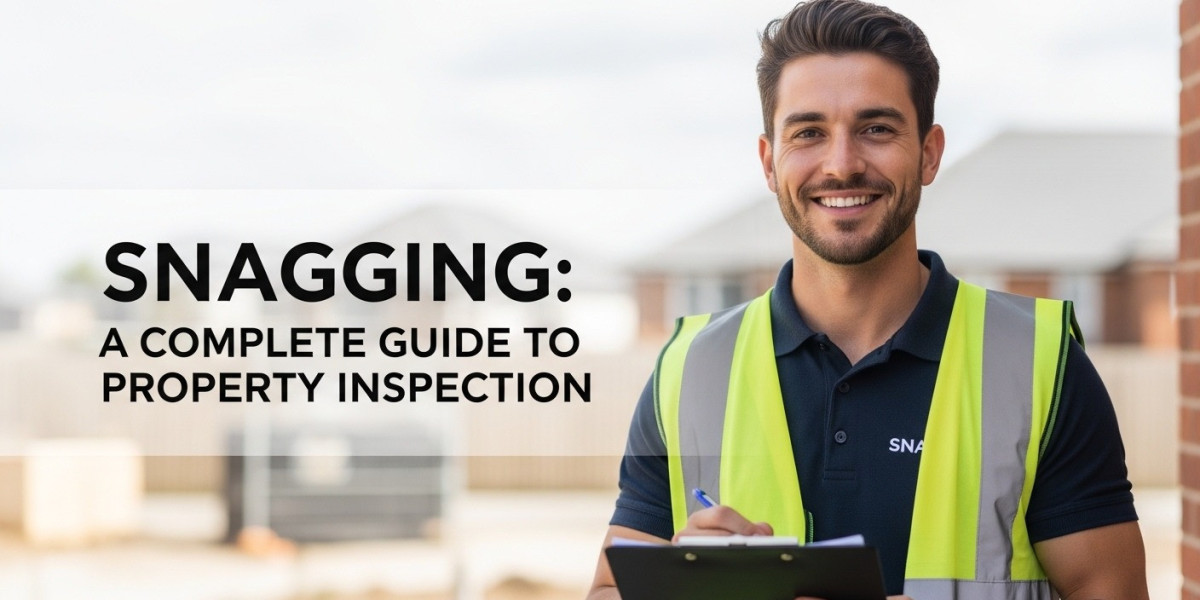

Property snagging is a crucial step for anyone purchasing a new home or recently renovated property. While modern developments promise high quality construction, it is common for small defects or unfinished details to be present. These issues may not always be visible at first glance, but they can impact the overall comfort and value of the property. Property snagging helps buyers identify and resolve these concerns before taking full ownership.
For buyers, this process is not just about checking for visible flaws. It is about ensuring that every aspect of the property meets expected standards. From structural integrity to finishing details, snagging provides a complete picture of the property’s condition.
What Is Property Snagging
Property snagging refers to a detailed inspection carried out before the final handover of a property. The purpose is to identify defects, incomplete work, or poor workmanship that needs to be corrected by the developer.
The inspection covers all areas of the property, including walls, floors, ceilings, doors, windows, plumbing systems, and electrical installations. After the inspection, a snagging report is prepared that lists all the issues found. This report is shared with the builder, who is responsible for fixing the problems before the buyer moves in.
Why Property Snagging Is Important
Many buyers assume that a new property will be delivered in perfect condition. However, construction projects often involve tight schedules and multiple contractors, which can lead to errors or overlooked details.
Property snagging helps protect buyers from these risks. It ensures that all defects are identified and resolved early, preventing future complications. It also gives buyers confidence that their property is safe, functional, and ready for comfortable living.
Another important benefit is financial protection. Addressing issues before handover means the developer bears the cost of repairs, saving buyers from unexpected expenses later.
Common Issues Found During Snagging
A property snagging inspection can reveal a variety of issues, ranging from minor cosmetic defects to more serious concerns.
Surface Imperfections
These include uneven paint, scratches, stains, and poorly finished surfaces. While they may seem small, they affect the overall appearance of the property.
Structural Defects
Cracks in walls, uneven flooring, and misaligned doors or windows can indicate deeper construction problems. These issues require immediate attention.
Plumbing Problems
Leaking pipes, loose fittings, and inconsistent water flow are common findings. These can lead to water damage if not addressed quickly.
Electrical Issues
Faulty wiring, non working switches, and improperly installed fixtures can create safety hazards. Electrical systems must be checked carefully.
Incomplete Installations
Missing fixtures, unfinished fittings, and poorly installed components are signs of rushed construction and need correction.
When to Conduct Property Snagging
The ideal time to carry out property snagging is before the final handover. At this stage, the developer is still responsible for resolving any issues found during the inspection.
Some buyers also choose to perform a follow up inspection after repairs have been completed. This ensures that all defects have been properly fixed. In certain situations, snagging may also be done after moving in if new issues become noticeable.
DIY vs Professional Snagging
Buyers often face the choice between inspecting the property themselves or hiring professionals.
DIY Snagging
A self inspection allows buyers to personally examine every detail. It can be cost effective but requires careful attention and some understanding of construction standards.
Professional Snagging
Professional inspectors have the expertise and tools needed to identify both visible and hidden defects. Their reports are detailed and structured, making it easier to communicate with developers and ensure all issues are addressed.
The Property Snagging Process
The process begins with a comprehensive inspection of the property. Each area is carefully checked for defects or incomplete work. Inspectors take notes and photographs to document their findings.
Once the inspection is complete, a snagging report is created. This report lists all the issues that need to be fixed. It is then shared with the developer, who reviews it and carries out the necessary repairs.
After the repairs are completed, a follow up inspection may be conducted to confirm that all issues have been resolved properly.
Tips for Effective Property Snagging
To ensure a successful snagging process, buyers should follow these practical tips:
- Inspect the property in natural light to easily spot defects
- Check every area thoroughly, including hidden corners and storage spaces
- Test all systems such as water supply, lighting, and ventilation
- Take clear notes and photographs of all issues
- Communicate all findings clearly with the developer
A detailed approach helps ensure that no issue is overlooked.
Benefits of Property Snagging
Property snagging provides several advantages that make it an essential step for buyers:
- Ensures the property is delivered in proper condition
- Reduces the risk of future repair costs
- Improves safety and comfort
- Helps maintain property value over time
- Provides peace of mind to buyers
By identifying and resolving issues early, buyers can enjoy a smoother transition into their new home.
FAQs About Property Snagging
What is included in property snagging
Property snagging includes inspection of structure, finishes, plumbing systems, electrical fittings, and overall workmanship.
Is snagging necessary for new properties
Yes, even new properties can have defects due to construction errors or incomplete work.
Can I do property snagging myself
Yes, but professional inspections are more detailed and can identify hidden issues.
What happens after a snagging report is created
The developer reviews the report and fixes all identified issues before final handover.
Does property snagging help save money
Yes, it prevents future repair costs by identifying problems early.
Conclusion
Property snagging is an essential part of the property buying process that ensures quality, safety, and satisfaction. It allows buyers to identify defects before taking ownership and ensures that developers deliver a properly finished property.
By carrying out a thorough snagging inspection, buyers can protect their investment and avoid unnecessary stress. Whether done independently or with professional assistance, this process plays a key role in ensuring a smooth and successful property purchase.