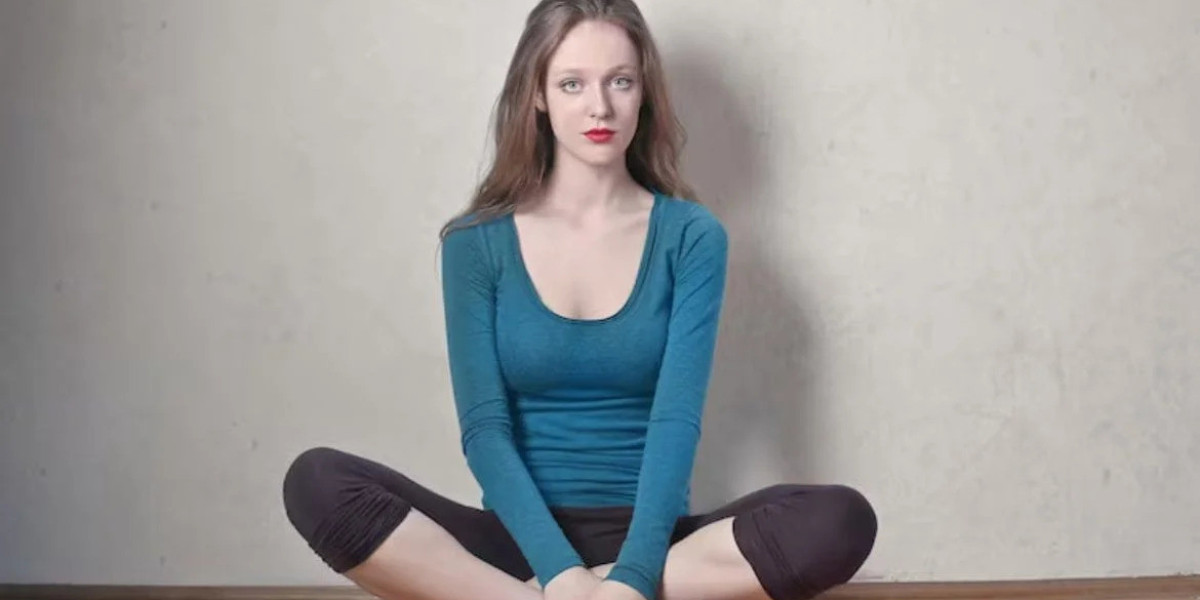

The cross leg pose is one of the simplest yet most effective sitting positions practiced across cultures, yoga traditions, and daily routines. Though it may appear effortless, this posture carries significant physical, mental, and even emotional benefits. From meditation halls to living rooms, the cross leg pose continues to be a preferred way of sitting for those seeking comfort, balance, and mindfulness.
In this detailed guide, we will explore the meaning, benefits, proper technique, variations, and practical applications of the cross leg pose, helping you understand why this timeless posture remains relevant in modern life.
What Is the Cross Leg Pose?
The cross leg pose is a seated position where the legs are folded and crossed in front of the body, usually while sitting on the floor. The spine is kept upright, shoulders relaxed, and hands rest comfortably on the knees or lap.
This posture is often associated with meditation and yoga, but it is also commonly used for casual sitting, reading, or social interactions in many cultures.
Historical and Cultural Significance
The cross leg pose has been practiced for centuries, especially in regions where floor seating is a traditional part of daily life. In many cultures, people eat, relax, and even work while sitting in this posture.
In yogic traditions, this pose is considered essential for meditation and self-awareness. It symbolizes stability, grounding, and inner balance. The continued use of the cross leg pose in modern times reflects its adaptability and enduring value.
Physical Benefits of the Cross Leg Pose
1. Improves Posture
One of the most important benefits of the cross leg pose is improved posture. Sitting with crossed legs encourages the spine to remain upright and aligned. This helps reduce slouching and minimizes strain on the back and neck.
Over time, practicing this posture regularly can train the body to maintain proper alignment even when standing or walking.
2. Enhances Flexibility
The cross leg pose gently stretches the hips, thighs, knees, and ankles. Regular practice can increase flexibility in these areas, making movement easier and more comfortable.
For individuals with tight hips due to prolonged sitting in chairs, this posture can be especially beneficial.
3. Strengthens Core and Back Muscles
Although it appears passive, the cross leg pose requires subtle engagement of core and back muscles to maintain stability. This helps strengthen these muscles over time, contributing to better overall posture and balance.
4. Promotes Circulation
Practicing the cross leg pose can support healthy blood circulation when done correctly. It encourages balanced weight distribution and helps prevent excessive pressure on one part of the body.
However, it is important to avoid staying in the same position for too long to prevent numbness or discomfort.
5. Supports Joint Health
The gentle folding of the legs in the cross leg pose helps maintain mobility in the hip and knee joints. Regular movement into and out of this position can reduce stiffness and improve joint flexibility.
Mental and Emotional Benefits
1. Encourages Relaxation
The cross leg pose is commonly used for relaxation and meditation because it creates a stable and grounded base. This allows the body to settle, helping the mind relax more easily.
2. Reduces Stress
When combined with deep breathing, the cross leg pose can help reduce stress and tension. It supports a calm environment where the mind can slow down and release worries.
3. Improves Focus and Clarity
Sitting in the cross leg pose helps minimize physical distractions, making it easier to concentrate. This is why it is often used during meditation and mindfulness practices.
4. Enhances Mind-Body Connection
The cross leg pose encourages awareness of body alignment and breathing. This strengthens the connection between the body and mind, promoting a sense of balance and harmony.
How to Practice the Cross Leg Pose
To practice the cross leg pose correctly, follow these steps:
Sit on a flat surface or yoga mat
Extend your legs forward
Bend your knees and gently cross your legs
Rest your hands on your knees or in your lap
Keep your spine straight and shoulders relaxed
Maintain a steady and natural breathing pattern
Start by holding the pose for a few minutes and gradually increase the duration as your body becomes more comfortable.
Tips for Beginners
If you are new to the cross leg pose, consider these helpful tips:
Sit on a cushion or folded blanket to elevate your hips
Keep your knees relaxed and avoid forcing them downward
Practice for short durations and increase gradually
Stretch your legs before and after sitting
Listen to your body and avoid discomfort
These adjustments can make the posture more accessible and enjoyable.
Common Mistakes to Avoid
While the cross leg pose is simple, improper practice can reduce its benefits. Avoid the following mistakes:
Slouching or rounding the back
Holding tension in the shoulders
Forcing the legs into position
Sitting for too long without movement
Maintaining proper alignment and comfort is key to getting the most out of the cross leg pose.
Variations of the Cross Leg Pose
There are several variations of the cross leg pose that can be practiced based on flexibility and comfort:
1. Easy Cross Leg Pose
A relaxed version where the legs are loosely crossed.
2. Half Lotus Pose
One foot is placed on the opposite thigh for a deeper stretch.
3. Full Lotus Pose
Both feet are placed on opposite thighs, requiring greater flexibility and practice.
Each variation offers unique benefits and can be chosen according to individual ability.
Incorporating the Cross Leg Pose into Daily Life
The cross leg pose is not limited to yoga practice. It can be integrated into everyday activities such as:
Meditation and breathing exercises
Reading or working on the floor
Relaxing while watching television
Practicing mindfulness
This helps reduce dependence on chairs and promotes more natural body movement.
Precautions and Safety
While the cross leg pose is generally safe, it is important to practice mindfully:
Avoid if you have severe knee or hip injuries
Do not force your body into the position
Take breaks to stretch your legs
Use support if needed
If you experience pain or discomfort, adjust your posture or consult a professional.
Why the Cross Leg Pose Matters in Modern Life
In today’s sedentary lifestyle, many people spend hours sitting on chairs, often with poor posture. The cross leg pose offers a natural alternative that encourages movement, flexibility, and awareness.
It helps counteract the negative effects of prolonged sitting and brings attention back to how we use our bodies in daily life.
Conclusion
The cross leg pose is more than just a simple way of sitting—it is a powerful posture that supports physical health, mental clarity, and emotional balance. Its benefits range from improved posture and flexibility to reduced stress and enhanced mindfulness.
By practicing the cross leg pose regularly and with awareness, you can create a healthier and more balanced lifestyle. Whether used for meditation, relaxation, or daily activities, this timeless posture continues to offer valuable benefits in both traditional and modern contexts.
Incorporate the cross leg pose into your routine, stay mindful of your body’s needs, and experience the lasting positive impact it can bring to your overall well-being.