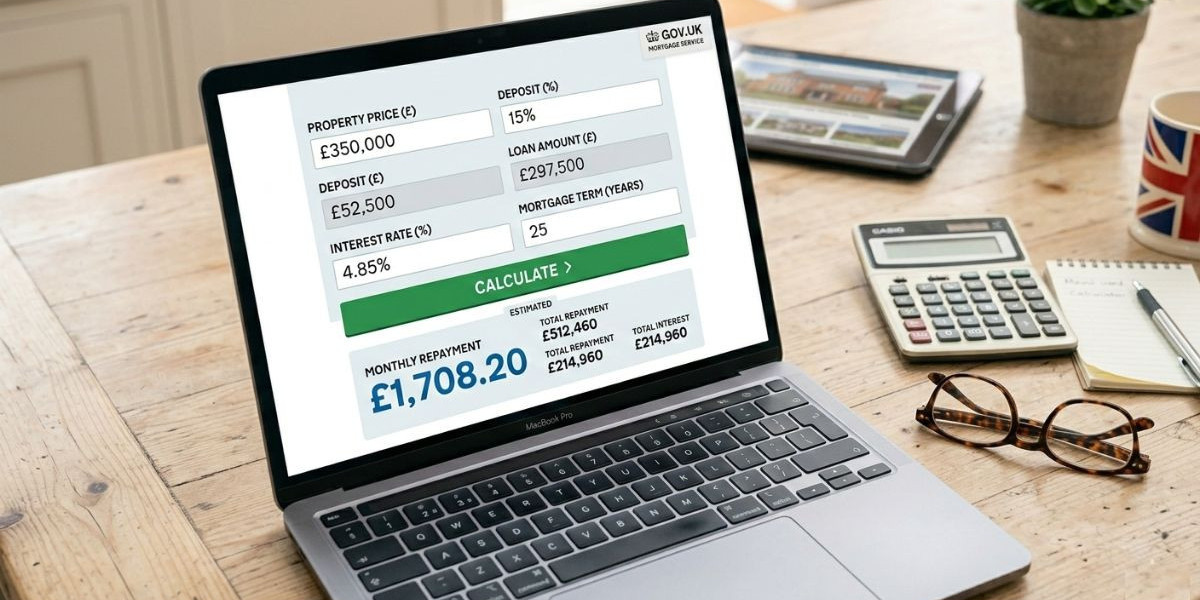

Mortgage calculators UK homebuyers rely on have become essential tools for anyone serious about getting on the property ladder.
With house prices still high and interest rates moving differently than they did a few years ago, guessing what you can afford is not an option. You need numbers. Real numbers based on your income, your deposit, and today's lending rates.
The good news is that mortgage calculators are everywhere, and they are free. A few clicks can tell you whether that three-bedroom terrace you have been eyeing is realistically within reach or likely to stretch your budget too thin.
But here is the thing. Calculators are only as good as the information you put into them. And they cannot factor in everything. They do not know about your spending habits, your credit score, or the specific deals lenders offer to different borrowers.
That is where expert help comes in. A good set of independent mortgage advisors will take the raw numbers from a calculator and turn them into a realistic plan, matching you with lenders who will actually say yes.
This guide walks you through how mortgage calculators work in 2026, what they tell you, what they miss, and how to use them to make smart, confident decisions.
What Is a Mortgage Calculator and How Does It Work?
A mortgage calculator is an online tool that estimates your monthly repayments based on a few key inputs. You type in the numbers, and it tells you roughly what you will pay.
Most calculators ask for:
Property price: How much the home costs.
Deposit: What you have saved to put down.
Loan term: How many years you will pay it back over.
Interest rate: What the lender charges (you may need to estimate this).
Mortgage type: Repayment or interest-only.
Some advanced calculators also let you add:
Arrangement fees: One-off costs added to the loan or paid upfront.
Insurance costs: Life cover or buildings insurance.
Stamp duty: Based on current UK rates.
The calculator then does the maths and shows you a monthly figure. It might also show the total interest you will pay over the full term, which is often a shocking number that makes people think harder about overpayments.
Why Mortgage Calculators Matter More in 2026
If you are buying a home this year, you are doing it in a different market than 2021 or 2022. Here is what has changed.
Interest Rates Are Higher
The era of sub-2% mortgages is behind us, at least for now. Rates in 2026 are hovering around 4% to 5% for most borrowers. That adds hundreds to monthly payments compared to a few years ago. A calculator helps you see the real impact.
Affordability Checks Are Tighter
Lenders are more cautious. They stress test your finances to make sure you could still pay if rates rose another 2% or 3%. A basic calculator might not include that stress test, but it gives you a starting point.
House Prices Have Shifted
In some areas, prices have dipped slightly. In others, they have held steady. Knowing what you can afford in your target area means you can act quickly when the right property appears.
More Costs to Consider
Stamp duty thresholds have changed. Energy efficiency affects mortgage deals. Service charges on flats have risen. A good calculator accounts for these extras.
How to Use a Mortgage Calculator Properly
Most people type in a few numbers and take the result as fact. That is a mistake. Here is how to use a calculator to get useful, realistic answers.
Step 1: Know Your Income and Outgoings
Before you touch a calculator, work out your monthly budget. What comes in? What goes out on bills, food, transport, and fun? Lenders will look at this in detail, so you should too.
Step 2: Be Realistic About the Deposit
A bigger deposit means a lower loan-to-value ratio, which usually means a better interest rate. If you have £30,000 saved, try the calculator with a £25,000 deposit and a £30,000 deposit. See the difference. It might convince you to save a few more months.
Step 3: Use a Realistic Interest Rate
Do not use the cheapest rate you have seen advertised. Those deals are often only available to borrowers with perfect credit and large deposits. Use a rate around 4.5% to 5% for a realistic estimate. If you have a small deposit, go higher.
Step 4: Try Different Terms
A 25-year term gives lower monthly payments but more interest overall. A 20-year term costs more each month but saves thousands in the long run. Play with the numbers. See what fits your life.
Step 5: Add the Extras
Include estimated arrangement fees, valuation fees, and solicitor costs. Some calculators have boxes for these. If not, add a buffer to the monthly figure.
Step 6: Stress Test Yourself
Ask yourself: could I still afford this if rates went up by 2%? Lenders will ask this. You should too.
What Mortgage Calculators Do Not Tell You
Calculators are useful, but they have limits. Here is what they miss.
Your Credit Score
A calculator does not know if you have missed payments or have a thin credit file. That affects the rates you are offered and whether lenders say yes at all.
Lender-Specific Deals
Some lenders offer exclusive deals through brokers. You will not see these in a standard online calculator.
Your Spending Habits
You might say you can afford £1,200 a month. But if you spend £400 on takeaways and weekends away, a lender will see things differently. Calculators cannot factor in your lifestyle.
Future Plans
Planning children? A career change? A calculator looks at today. You need to think about tomorrow.
That is where professional advice bridges the gap. A good independent mortgage advisor takes the calculator's output and compares it to what lenders actually offer. They know which lenders are flexible, which ones like your profile, and how to present your application in the best light.
Key Mortgage Terms You Need to Know
Using a calculator is easier when you understand the language.
Loan-to-Value (LTV)
This is your loan amount divided by the property value, shown as a percentage. A 90% LTV means you are borrowing 90% and putting down 10%. Lower LTVs get better rates.
Repayment Mortgage
You pay back some of the loan plus interest each month. By the end of the term, the mortgage is cleared.
Interest-Only Mortgage
You only pay the interest each month. The loan amount stays the same. You need a separate plan to repay the capital at the end.
Fixed Rate
Your interest rate stays the same for a set period, usually two, five, or ten years. Payments are predictable.
Variable Rate
The rate can go up or down. Payments change.
Arrangement Fee
A fee the lender charges to set up the mortgage. Sometimes added to the loan, sometimes paid upfront.
Early Repayment Charge
A fee if you pay off more than allowed or leave the deal early.
Common Mistakes People Make with Mortgage Calculators
Even smart buyers slip up. Avoid these.
Using the Wrong Rate
Basing plans on a 3.5% deal you saw online, when in reality you will be offered 4.8%, leads to nasty surprises.
Ignoring Fees
A low monthly payment might hide high upfront fees. Look at the total cost.
Overstretching
The calculator says you can borrow £250,000. But can you really afford the payments and still live? Be honest.
Not Stress Testing
Rates change. If you budget at 4% and they rise to 6%, can you cope?
Skipping Professional Advice
Calculators give estimates. Advisors give answers. Do not confuse the two.
Example Scenarios: See the Difference
Let us look at some real numbers to show how much difference small changes make.
Property Price | Deposit | Loan Amount | Rate | Term | Monthly Payment | Total Interest |
£250,000 | £25,000 (10%) | £225,000 | 4.8% | 25 years | £1,285 | £160,500 |
£250,000 | £50,000 (20%) | £200,000 | 4.3% | 25 years | £1,085 | £125,500 |
£250,000 | £50,000 (20%) | £200,000 | 4.3% | 20 years | £1,245 | £98,800 |
Notice how a bigger deposit and a slightly better rate save nearly £200 a month. Shortening the term saves tens of thousands in interest but increases monthly payments.
Run your own numbers. See what works.
Tools to Use Alongside Mortgage Calculators
A mortgage calculator is just the start. These tools also help.
Stamp Duty Calculators
Work out what you will pay the government. First-time buyers get relief on the first £425,000 in some cases.
Affordability Calculators
These look at your income and outgoings to estimate how much a lender might offer. They are rougher but useful.
Overpayment Calculators
Show you how much overpaying each month reduces your term and saves interest.
Comparison Sites
See what deals are available. But remember, not all deals are on comparison sites.
When to Call in the Experts
Calculators are brilliant for early planning. They help you narrow your search, set a budget, and avoid falling in love with homes you cannot afford.
But when you are ready to make an offer, you need more than a calculator. You need someone who knows which lenders are lending, which deals come with hidden catches, and how to structure your application for the best chance of approval.
That is where independent mortgage advisors earn their keep. They look at your full picture, not just the numbers you typed into a website. They have access to deals you cannot find yourself. And they guide you through the paperwork so nothing gets missed.
A good advisor will also revisit your calculator numbers with you. They will stress test them properly, check they align with your lifestyle, and make sure the monthly payment you think you can afford is one you really can.
Final Thoughts
Mortgage calculators are powerful tools. They turn abstract numbers into real monthly figures. They help you compare scenarios, plan your savings, and avoid wasting time on properties outside your budget.
But they are not the whole story. In 2026, with rates higher and lenders choosier, you need to combine calculator insights with professional advice. Use the calculator to get a ballpark. Use an independent mortgage advisor to turn that ballpark into a done deal.
Start with the numbers. End with the keys. That is the smart way to buy a home.