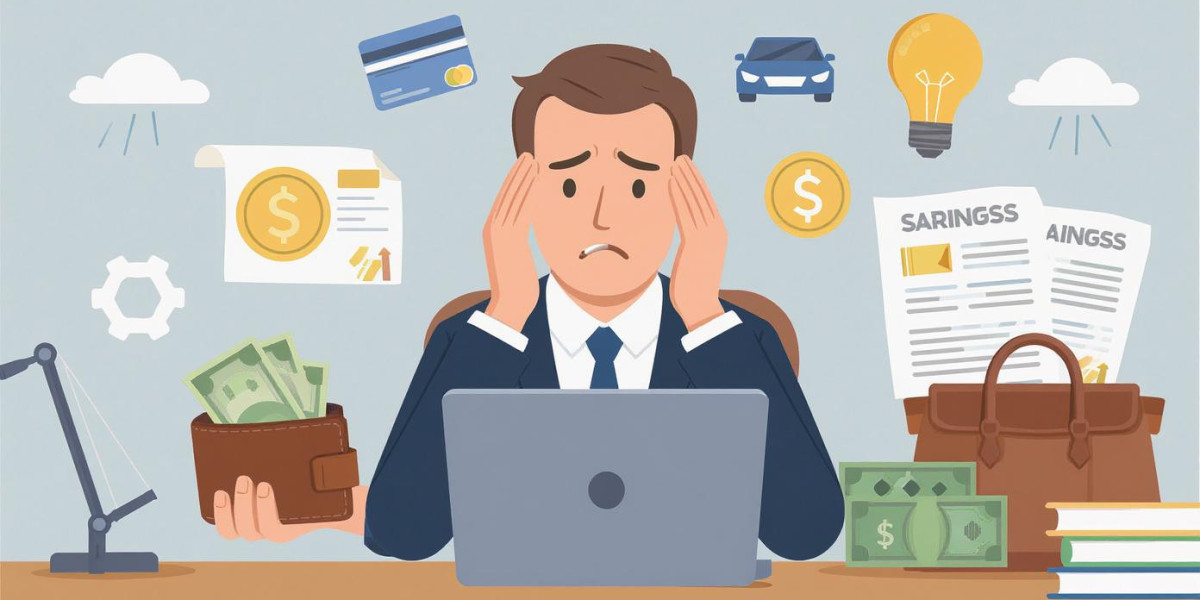

Many individuals are surprised to realize they are earning more but saving less even after improving their income. Promotions, business growth, bonuses, or side hustles should ideally strengthen financial stability, yet savings often remain stagnant or decline. This financial trap is subtle, gradual, and rooted in behavioral habits that quietly drain income without obvious warning signs.
How Higher Income Reshapes Spending Behavior
As income increases, spending behavior naturally changes. Expenses that once felt unnecessary begin to feel reasonable. Dining out becomes frequent, convenience replaces cost-saving habits, and premium services replace basic alternatives. These spending shifts rarely feel excessive individually, but together they reduce the amount left for saving. This is one of the primary reasons people experience financial stagnation despite higher earnings.
Lifestyle Comfort Becomes a Commitment
Comfort-driven spending grows quickly with income. Better housing, upgraded vehicles, advanced gadgets, and premium subscriptions soon become permanent commitments rather than occasional indulgences. Once these comforts are integrated into daily life, reversing them feels difficult. This locks income into ongoing expenses, reinforcing the cycle of earning more but saving less even when financial capacity appears strong.
The Subtle Power of Convenience Spending
Convenience spending increases as income rises. People pay more for faster delivery, paid services, and time-saving solutions. While convenience adds comfort, it quietly inflates monthly expenses. These costs often go unnoticed because they feel small or justified, yet they significantly reduce long-term savings potential when accumulated over time.
Income Growth Encourages Relaxed Budgeting
When income rises, budgeting discipline often weakens. Individuals stop tracking expenses closely because they feel financially secure. This relaxed approach allows unnecessary expenses to slip in unnoticed. Without a structured budget, higher income does not automatically lead to better savings outcomes. Instead, spending expands to match income growth.
Emotional Spending Reinforced by Success
Higher income is often linked to personal success, which fuels emotional spending. Many people reward themselves frequently after achieving financial milestones. While occasional rewards are healthy, habitual emotional spending creates patterns that undermine savings goals. This behavior strengthens the financial trap where income growth fuels consumption rather than financial security.
Debt Capacity Expands With Earnings
As income increases, access to credit expands. Higher credit limits and loan approvals encourage larger financial commitments. Car loans, home upgrades, and consumer credit become easier to justify. These obligations consume future income and reduce flexibility, leaving less room to save even when earnings are strong.
Fixed Expenses Grow Faster Than Expected
Higher income often leads to higher fixed expenses, such as rent, insurance, utilities, and service subscriptions. Fixed costs are difficult to reduce once established. When these expenses rise alongside income, they create a rigid financial structure that limits savings growth. Even small increases across multiple fixed categories can significantly reduce monthly savings capacity.
Inflation Masks Real Financial Progress
Inflation quietly erodes the benefits of income growth. Rising costs for essentials reduce the real value of earnings. Even if income increases annually, purchasing power may remain unchanged. Without accounting for inflation, people may believe they are progressing financially while savings remain flat or decline.
Saving Is Treated as an Afterthought
Many individuals save only what remains after spending. This reactive approach ensures inconsistent saving results. When income rises, spending rises first, leaving little for savings. Treating savings as a priority rather than a leftover transforms income growth into measurable financial progress.
Building Systems That Protect Savings
Escaping the financial trap requires systems, not willpower alone. Automated savings, structured budgeting, spending reviews, and clear financial targets ensure income growth strengthens savings. These systems create boundaries that prevent lifestyle inflation from consuming additional earnings.
Important Information of This Blog
The financial trap of having more money but less savings develops gradually through lifestyle comfort, convenience spending, emotional rewards, debt expansion, and relaxed budgeting. Many people remain earning more but saving less because income growth is not supported by disciplined financial systems. Long-term savings success depends on structured habits, controlled spending growth, and intentional financial planning rather than income alone.
At BusinessInfoPro, we empower entrepreneurs, small businesses, and professionals with actionable insights, strategies, and tools to fuel growth. By simplifying complex ideas in business, marketing, and operations, we help you turn challenges into opportunities and navigate today’s dynamic market with confidence. Your success is our mission because when you grow, we grow.