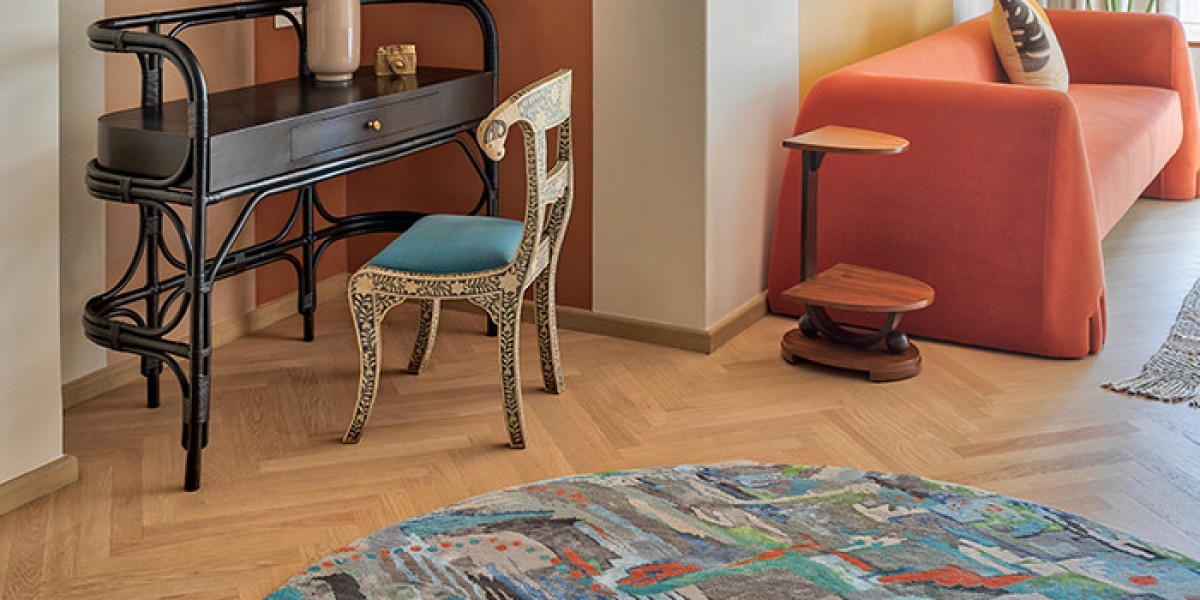

Curved shapes introduce softness into spaces often dominated by straight lines and sharp corners. Furniture, walls, and architectural features frequently rely on rigid structure, which can sometimes make a room feel overly formal or predictable. Introducing circular elements creates visual contrast, encouraging a more inviting and harmonious atmosphere. Among the most effective ways to achieve this balance is through carefully selected floor décor that complements the overall design while adding subtle personality.
Home styling has evolved to embrace both functionality and artistic expression. Decorative elements are no longer chosen solely for utility; they serve as focal points, conversation starters, and mood setters. Floor coverings in particular hold transformative power. They frame furniture arrangements, define zones within open layouts, and enhance comfort underfoot. When shape becomes part of the design equation, the results can feel both refreshing and sophisticated.
The Unique Appeal of Circular Designs
Circular floor pieces naturally draw the eye inward. Unlike rectangular options that emphasize length and width, rounded forms encourage flow and movement. This makes them especially effective in smaller spaces, where sharp angles can feel constricting. Bedrooms, reading corners, and entryways benefit greatly from softer outlines that reduce visual heaviness.
Materials play an equally important role. Plush wool offers warmth and insulation, while cotton blends provide lightweight versatility. For high traffic areas, durable synthetic fibers maintain structure without compromising style. Texture variation adds depth, especially when layered over hardwood or tile surfaces.
Interior designers often suggest using round rugs and carpets to anchor central furniture pieces such as coffee tables or compact dining sets. Their curved perimeter prevents harsh visual breaks and helps unify surrounding décor. Placement beneath a statement light fixture can further emphasize symmetry and balance.
Enhancing Different Interior Styles
Versatility remains one of the strongest attributes of circular floor décor. Minimalist interiors benefit from solid neutral tones that subtly ground the room without overpowering it. Meanwhile, bohemian settings embrace intricate patterns and bold hues that create vibrant focal points.
Color coordination requires thoughtful planning. Soft pastels introduce calmness, while deeper shades such as navy or emerald create contrast against lighter flooring. Matching subtle tones from the rug within cushions or artwork fosters cohesion without appearing overly coordinated.
Exploring broader design philosophies can spark inspiration. For instance, understanding Scandinavian interior design principles highlights the importance of simplicity, natural materials, and balanced proportions. Integrating circular shapes into such spaces aligns beautifully with the concept of harmony and understated elegance.
Practical Considerations for Everyday Living
Beyond aesthetics, functionality must guide decision making. Slip resistant backing or a quality pad ensures safety and longevity. Proper sizing prevents awkward gaps or overcrowded arrangements. Ideally, a circular rug should allow surrounding furniture to interact with it comfortably without dominating the entire floor.
Maintenance varies depending on material. Regular vacuuming preserves fiber integrity, while occasional professional cleaning restores vibrancy. Rotating the piece periodically prevents uneven wear, especially in frequently used areas. Choosing durable construction ensures long lasting performance without sacrificing visual appeal.
Layering is another technique gaining popularity. Placing a smaller circular piece over a larger neutral base creates dimension and texture. This layered approach works particularly well in expansive living rooms, where a single element might otherwise feel lost.
Creating Flow in Modern Spaces
Open concept homes often require subtle zoning to maintain organization. Rounded floor coverings help define seating or conversation areas without erecting physical barriers. Their shape encourages movement and softens transitions between functional zones.
Lighting further enhances their presence. Natural daylight reveals texture and color variations, while evening illumination highlights patterns and depth. When paired with complementary décor elements, circular floor accents become more than decorative additions; they become integral to the room’s identity.
Ultimately, thoughtful design relies on balance, proportion, and personality. Introducing curved elements counters rigidity and fosters warmth. With careful material selection, strategic placement, and cohesive styling, circular floor décor can transform an ordinary room into a welcoming and visually dynamic environment. By blending practicality with aesthetic charm, homeowners can create spaces that feel both comfortable and artfully composed for years to come.