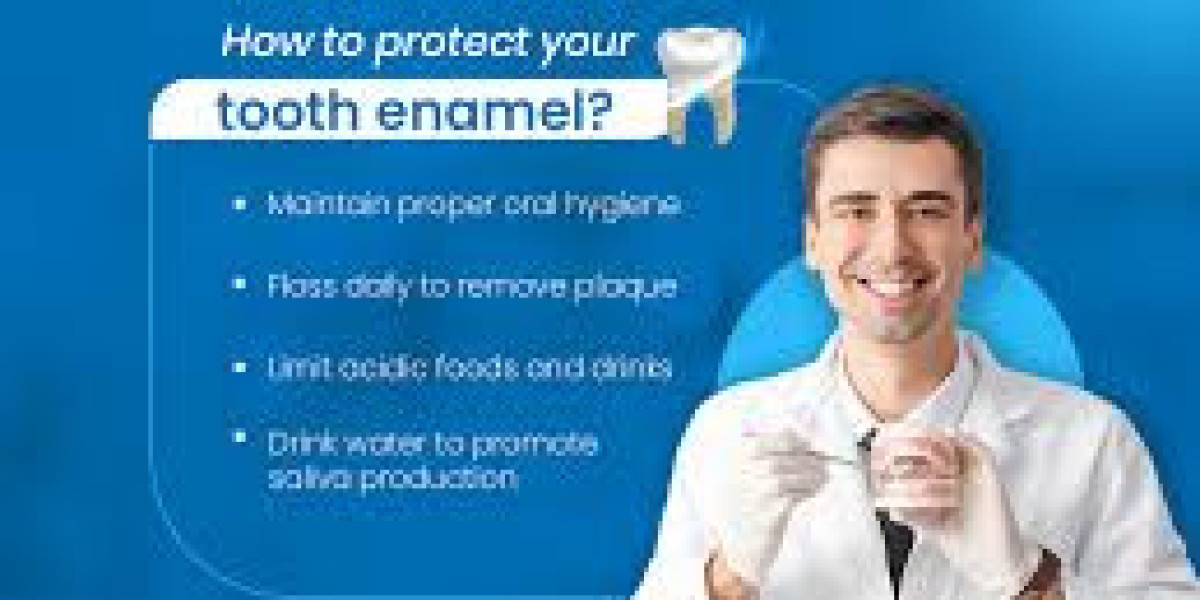

Maintaining healthy teeth goes far beyond brushing and flossing. One of the most important aspects of oral health is protecting the enamel, the hard outer layer of your teeth that shields them from decay and sensitivity. This article explores how you can protect your tooth enamel through dietary choices, lifestyle habits, and proper dental care.
What is Tooth Enamel and Why It Matters
Tooth enamel is the hardest substance in the human body, acting as a barrier against acids, bacteria, and physical wear. However, despite its strength, enamel is not indestructible. Frequent exposure to acidic foods, sugary drinks, and poor oral hygiene can wear it down over time. Once enamel erodes, it cannot regenerate naturally, making preventive measures crucial.
By understanding what affects enamel, you can make better choices to protect your tooth enamel. Simple changes in your diet and oral care routine can dramatically reduce the risk of tooth sensitivity, cavities, and long-term dental problems.
Foods That Help Strengthen Tooth Enamel
Certain foods contain essential minerals and vitamins that help fortify enamel and maintain overall oral health. These include:
Dairy Products: Milk, cheese, and yogurt are rich in calcium and phosphates, which help rebuild and strengthen enamel. Cheese, in particular, stimulates saliva production, neutralizing acids in the mouth.
Leafy Greens: Spinach, kale, and other leafy vegetables are high in calcium and folic acid, promoting enamel health.
Nuts and Seeds: Almonds, sesame seeds, and walnuts provide essential minerals like calcium, magnesium, and phosphorus to fortify teeth.
Crunchy Vegetables and Fruits: Apples, carrots, and celery help mechanically clean teeth while stimulating saliva production, which naturally neutralizes acids.
Incorporating these foods into your daily diet is a simple yet effective way to protect your tooth enamel naturally.
Foods and Habits to Avoid for Healthy Enamel
While certain foods can strengthen enamel, others can accelerate its erosion. Frequent exposure to the following should be limited:
Sugary Snacks and Beverages: Candy, soda, and sweetened drinks promote acid production in the mouth, which wears down enamel.
Acidic Foods: Citrus fruits, tomatoes, and vinegar-based foods can weaken enamel if consumed in excess.
Sticky Foods: Caramel, dried fruits, and chewy candies cling to teeth and prolong acid exposure.
Frequent Snacking: Constant snacking increases acid attacks on enamel, giving teeth no time to recover.
By minimizing these foods and adopting Dental Care Tips, you can significantly reduce enamel erosion and maintain a healthier smile.
The Role of Saliva in Protecting Enamel
Saliva plays a critical role in maintaining enamel integrity. It helps wash away food particles, neutralizes acids, and provides minerals for remineralization. Without sufficient saliva, your teeth are more vulnerable to decay and sensitivity.
To encourage saliva production:
Chew sugar-free gum after meals
Stay hydrated throughout the day
Avoid tobacco and excessive alcohol consumption
By understanding the link between saliva and enamel, you can take proactive steps to protect your tooth enamel effectively.
Proper Brushing Techniques to Safeguard Enamel
Brushing is essential, but incorrect techniques can damage enamel. Follow these steps to maximize enamel protection:
Use a Soft-Bristled Toothbrush: Hard bristles can wear down enamel and irritate gums.
Gentle Circular Motions: Avoid aggressive back-and-forth scrubbing that can erode enamel.
Fluoride Toothpaste: Fluoride strengthens enamel and protects against decay.
Brush Twice a Day: Over-brushing or brushing immediately after acidic foods can harm enamel.
By adopting these habits, you reinforce the protective layer of your teeth and continue to protect your tooth enamel efficiently.
The Importance of Fluoride in Enamel Protection
Fluoride is a naturally occurring mineral that strengthens enamel and prevents cavities. It works by remineralizing weakened areas and making teeth more resistant to acid attacks.
You can incorporate fluoride into your routine through:
Fluoridated toothpaste
Fluoride mouth rinses
Drinking fluoridated water
Consistent fluoride use is a scientifically proven method to protect your tooth enamel, especially when combined with a balanced diet and proper oral hygiene.
Lifestyle Changes to Preserve Enamel
Beyond diet and oral hygiene, lifestyle choices significantly impact enamel health. Consider these changes:
Limit Carbonated and Acidic Drinks: Sipping soda or fruit juices throughout the day increases acid exposure.
Quit Smoking: Tobacco weakens enamel and stains teeth.
Wear a Mouthguard: Protects enamel from grinding and clenching during sleep or sports.
Regular Dental Checkups: Professional cleaning and early detection of enamel erosion can prevent serious damage.
Integrating these lifestyle adjustments ensures long-term enamel protection and overall oral wellness.
Daily Habits to Protect Your Tooth Enamel
Consistent daily habits are the key to preserving enamel over time. Along with a balanced diet and proper brushing, you can follow these recommendations:
Drink plenty of water, especially after meals, to rinse away acids
Eat enamel-friendly snacks like cheese or raw vegetables
Use a straw for acidic drinks to reduce direct contact with teeth
Avoid brushing immediately after consuming acidic foods; wait at least 30 minutes
By embracing these habits, you actively protect your tooth enamel while enhancing your overall oral health.
Conclusion: Combining Diet, Care, and Lifestyle
Protecting enamel requires a multi-faceted approach that includes mindful eating, consistent oral care, and healthy lifestyle choices. By choosing enamel-friendly foods, avoiding harmful acids and sugars, brushing correctly, using fluoride, and practicing beneficial daily habits, you can preserve your teeth’s strength and appearance.
Prioritizing these strategies ensures that your teeth remain strong and resistant to decay, helping you maintain a confident smile for years to come. Remember, every small effort counts toward your goal to protect your tooth enamel and uphold excellent oral health.