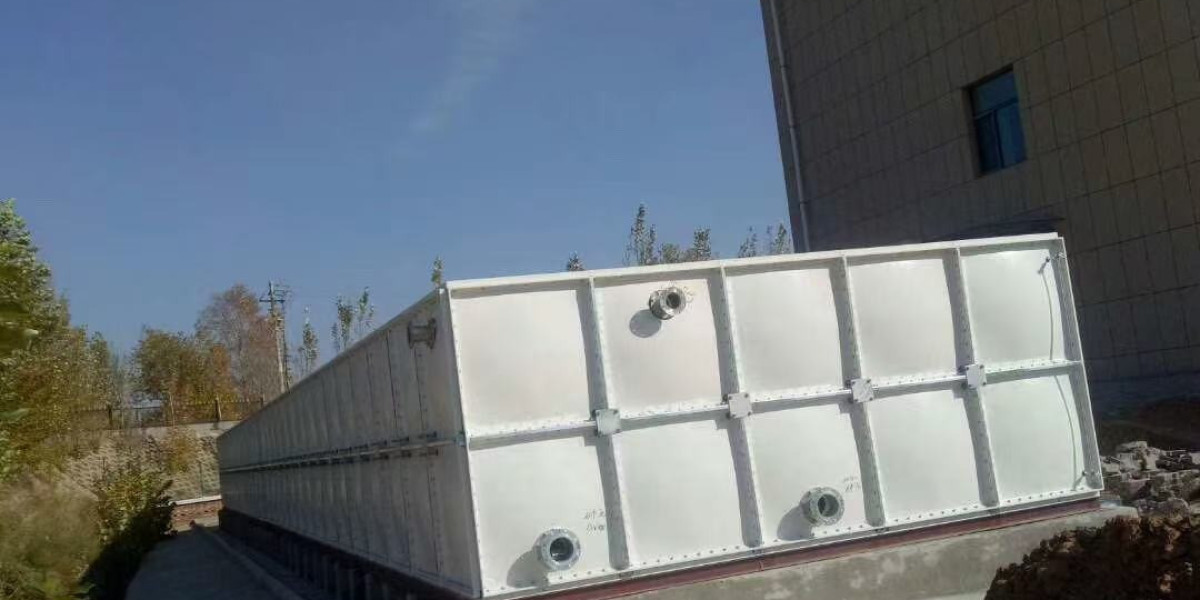

The first time I worked closely with a GRP Water Tank, I honestly underestimated it. At that stage in my career, I believed water tanks were all about thickness and weight. Heavier meant stronger. Steel meant serious. GRP felt almost too clean, too light, too modern to trust. But experience has a funny way of correcting assumptions. Years later, after seeing GRP systems quietly perform in hospitals factories and residential complexes, my perspective completely changed.
If you are reading this, chances are you are trying to make a smart long term decision about water storage. You are not just browsing images. You want facts. You want real insight. And most importantly, you want confidence that what you choose today will still be working years from now. This article is written exactly for that purpose.
I will walk you through what a GRP tank really is, where it excels, where it needs careful planning, and how my own journey shifted from skepticism to trust. Consider this a practical conversation rather than a technical lecture.
GRP Water Tank
A GRP Water Tank is manufactured using glass reinforced plastic, a composite material made by combining resin and glass fiber. The result is a strong lightweight and corrosion resistant structure designed specifically for water storage.
What makes GRP interesting is that it behaves differently from traditional materials. It does not rust. It does not corrode. And it does not react with water in the same way metal does.
I like to describe it this way. Steel is strong but stubborn. GRP is flexible but resilient. Each has its own personality. Understanding that personality helps you choose wisely.
My Early Experience With GRP Systems
I still remember my first GRP installation project clearly. It was a commercial building with strict hygiene requirements. Steel tanks were ruled out due to corrosion concerns. Concrete was too heavy. That left GRP.
I was cautious. Maybe even a little doubtful. But the installation went smoothly. The panels fit precisely. The internal surface looked clean and uniform. Years later, during a routine inspection, the tank looked almost exactly the same as day one.
That was the moment I realized GRP was not a compromise. It was a different solution built for different priorities.
How GRP Material Actually Works
GRP is created by reinforcing plastic resin with glass fibers. These fibers provide strength while the resin provides shape and protection. Together they create a material that is both durable and lightweight.
This structure gives a GRP Water Tank excellent resistance to corrosion and chemical reactions. Unlike metal tanks, GRP does not oxidize. That alone solves many long term maintenance issues.
In simple terms, GRP does not fight water. It coexists with it.
GRP Water Tank
One of the most valuable aspects of a GRP Water Tank is its consistency. The internal surface remains smooth over time which helps maintain water quality. There is no flaking. No rust particles. No metallic taste.
For applications where hygiene matters, such as hospitals schools and residential complexes, this consistency is critical.
I have seen facilities switch from older steel systems to GRP purely because of water quality complaints. After the switch, those complaints disappeared.
Modular Design and Panel Construction
Most modern GRP systems are built as GRP Panel Water Tank solutions. Individual panels are assembled on site to form the complete tank.
This modular design offers flexibility. Tanks can be built in tight spaces. Capacity can be customized. Transportation is easier.
On one project, access to the rooftop was extremely limited. Large prefabricated tanks were not an option. The GRP panel system was carried up piece by piece and assembled without structural modifications. That flexibility saved the project.
Installation Experience From the Field
Installing a GRP tank is more about precision than brute force. Panels must be aligned correctly. Sealing must be done carefully. The foundation must be level.
I once saw a GRP installation rushed to meet a deadline. Corners were cut during sealing. Months later minor leaks appeared. Not because GRP failed but because installation discipline was missing.
A GRP Water Tank rewards careful installation. Treat it right and it performs beautifully.
Weight Advantages and Structural Benefits
One of the biggest advantages of GRP is weight. Compared to steel or concrete tanks, GRP systems are significantly lighter.
This makes them ideal for rooftops and elevated installations. Structural reinforcement requirements are reduced. Installation is safer and faster.
In urban projects where load calculations are strict, this weight advantage often makes GRP the only viable option.
GRP Water Tank and Water Quality
Water quality is where GRP truly shines. The internal surface is non reactive and smooth. There is minimal risk of bacterial buildup when proper maintenance is followed.
This makes GRP suitable for potable water storage. Many facilities choose it specifically to meet hygiene standards.
I once compared water samples from different storage systems during a facility audit. The GRP stored water consistently showed better clarity and stability. That kind of result speaks louder than marketing claims.
Comparing GRP and FRP Water Tank Systems
The term FRP Water Tank is often used interchangeably with GRP. Technically both refer to fiber reinforced plastic systems.
The key difference usually lies in resin formulation and manufacturing standards rather than concept. High quality GRP and FRP tanks perform similarly when produced correctly.
What matters most is manufacturing discipline and material quality not the label alone.
Durability and Lifespan Expectations
A properly manufactured and installed GRP Water Tank can last twenty to twenty five years or more depending on conditions.
Unlike metal tanks lifespan is not shortened by corrosion. Instead longevity depends on UV exposure resin quality and installation care.
I have inspected GRP tanks that looked almost new after a decade of service. That consistency builds confidence over time.
Maintenance Requirements in Daily Use
Maintenance for GRP systems is relatively simple. Regular cleaning inspection of seals and checking for mechanical damage are usually sufficient.
There is no need for repainting or rust treatment. That alone reduces long term maintenance costs significantly.
Facility managers often appreciate how predictable GRP maintenance is. Fewer surprises means better planning.
Environmental and Sustainability Considerations
GRP tanks support sustainability through long service life and reduced maintenance needs. Less frequent replacement means lower resource consumption over time.
Lightweight construction also reduces transportation energy and installation impact.
From a lifecycle perspective durability matters as much as recyclability.
GRP Water Tank
The GRP Water Tank has earned its place in modern infrastructure not through hype but through performance. It solves specific problems exceptionally well.
It is not meant to replace every other tank type. It is meant to be chosen when conditions align with its strengths.
Understanding those strengths is key to satisfaction.
Manufacturing Quality and Shandong Wanneng Group
Not all GRP tanks are equal. Resin quality panel thickness and joint design all matter.
Through industry exposure and collaboration with manufacturers like Shandong Wanneng Group, I have seen how controlled production leads to reliable long term performance.
Consistency in materials and processes is what separates durable systems from short lived ones.
Common Misconceptions About GRP Tanks
Some believe GRP tanks are fragile. In reality structural design and fiber reinforcement provide impressive strength.
Others worry about heat resistance. High quality GRP systems are designed to handle temperature variations within specified limits.
Most misconceptions disappear once people see real installations in operation.
Choosing the Right GRP Tank for Your Needs
Selecting the right GRP Water Tank begins with understanding your application. Consider capacity installation location hygiene requirements and future expansion.
Ask about certifications. Review case studies. Understand installation guidelines.
A well chosen GRP system feels effortless in daily operation.
My Personal Journey With GRP Water Storage
Looking back, my early doubts now feel unnecessary. Experience replaced assumption. Observation replaced theory.
The GRP Water Tank earned my trust through quiet consistent performance. That is why I recommend it today with confidence.
I have seen projects succeed simply because the right storage solution was chosen at the beginning.
Final Thoughts
Water storage is not just infrastructure. It is responsibility. Clean reliable water supports everything from daily comfort to industrial productivity.
If your project values hygiene flexibility and long term stability, the GRP Water Tank is a solution worth serious consideration.
After years of field experience, I can say this honestly. When chosen and installed correctly, GRP tanks do not demand attention. They simply do their job. And sometimes, that is exactly what you want most.