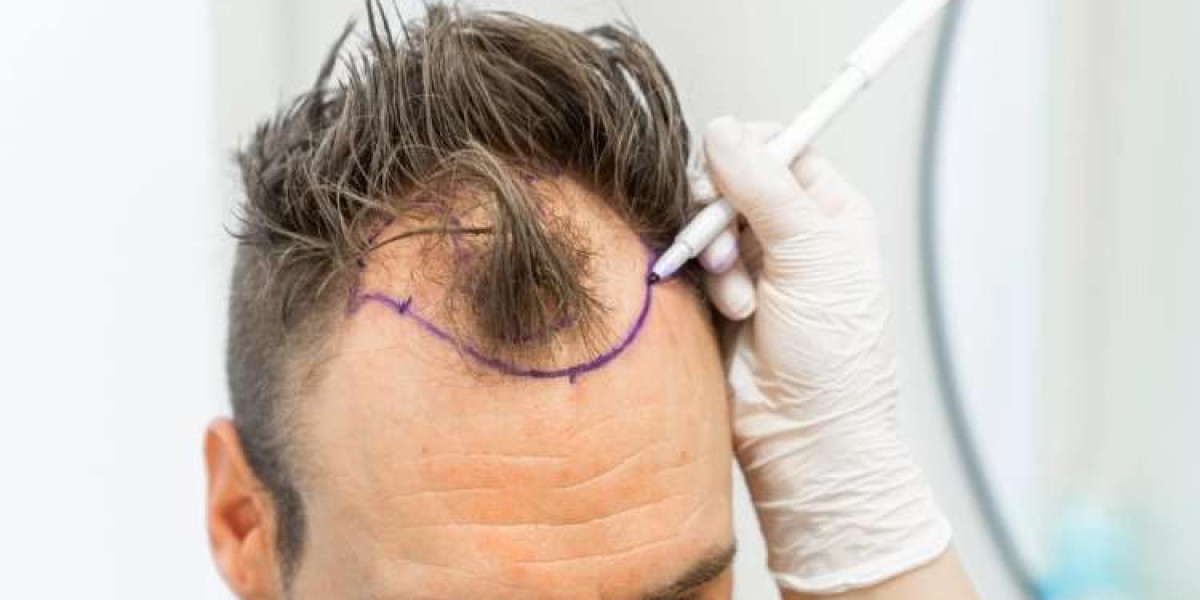

Alopecia areata is an autoimmune condition that causes patchy hair loss on the scalp and other areas of the body. Individuals affected by this condition often experience psychological stress, reduced self-confidence, and a desire for effective solutions. A Hair Transplant in Islamabad can offer a viable solution for patients with stable alopecia areata, but it requires careful evaluation, planning, and specialized techniques to ensure success and long-term results.
Understanding Alopecia Areata
Alopecia areata occurs when the immune system attacks hair follicles, leading to sudden hair loss in round or oval patches. The severity and pattern of hair loss can vary significantly between patients. Some may experience mild, localized patches, while others face extensive scalp involvement or total hair loss (alopecia totalis). Because the condition can progress unpredictably, hair transplant specialists must carefully assess whether the patient’s hair loss has stabilized before recommending surgical intervention.
Evaluating Candidacy for Hair Transplant
Not all alopecia areata patients are suitable candidates for transplantation. Surgeons typically look for:
Stable patches of hair loss for at least 12 months
Healthy donor hair with sufficient density
Absence of active inflammation or scalp disease
Patients with rapidly progressing alopecia areata may be advised to postpone transplantation until the condition stabilizes. Pre-transplant evaluation often includes a scalp biopsy, trichoscopic assessment, and detailed medical history to rule out active autoimmune activity.
Techniques Used in Alopecia Areata Hair Transplants
Minimally invasive techniques such as Follicular Unit Extraction (FUE) and Direct Hair Implantation (DHI) are commonly preferred for alopecia areata patients. These methods allow precise graft extraction and placement while minimizing trauma to surrounding scalp tissue. Surgeons carefully implant hair follicles into affected areas, considering angle, density, and direction to mimic natural hair growth. Follicular Unit Transplantation (FUT) may also be an option for patients needing larger coverage with intact donor hair.
Managing Expectations and Realistic Outcomes
Patients with alopecia areata need realistic expectations regarding results. While hair transplants can restore hair in stable patches, the autoimmune condition may cause future hair loss in other areas. Surgeons often recommend a conservative approach, implanting fewer grafts in initial sessions to reduce the risk of graft loss and maintain natural aesthetics. Follow-up treatments may be necessary to maintain desired density if new patches develop.
Adjunct Therapies to Enhance Success
Hair transplant outcomes for alopecia areata patients are improved with adjunct therapies that promote follicle survival and hair growth. Platelet-Rich Plasma (PRP) therapy, corticosteroid injections, and topical immunomodulators can help reduce inflammation, stimulate blood flow, and encourage transplanted hair to thrive. Combining surgical and medical treatments provides a comprehensive approach, increasing the likelihood of successful and long-lasting results.
Importance of Hair Density Planning
Hair density planning is particularly crucial for alopecia areata patients. Surgeons strategically place grafts to ensure natural coverage and gradual transitions between transplanted and existing hair. Attention to follicle grouping, hair angle, and scalp characteristics helps recreate a realistic look, even in previously affected areas. Proper density planning also minimizes stress on the donor area, preserving future transplant options.
Post-Transplant Care and Monitoring
Post-operative care plays a vital role in hair transplant success. Patients are instructed to follow gentle scalp care routines, avoid trauma, and attend regular follow-ups. Ongoing monitoring is essential to detect early signs of alopecia recurrence and to adjust treatment plans accordingly. Combining routine check-ups with supportive therapies ensures optimal follicle health and long-term hair retention.
Psychological Benefits of Hair Restoration
Beyond physical appearance, hair transplants can positively impact the psychological well-being of alopecia areata patients. Restoring hair in affected areas often improves self-esteem, confidence, and social interactions. Patients report a sense of normalcy and renewed motivation, highlighting the holistic benefits of hair restoration beyond cosmetic improvement.
Frequently Asked Questions (FAQs)
Can hair transplants cure alopecia areata?
No, transplantation does not cure the autoimmune condition, but it can restore hair in stable patches while minimizing cosmetic concerns.
Is there a risk of transplant failure in alopecia areata patients?
Yes, active or unstable alopecia may cause graft loss. Only patients with stable patches are ideal candidates.
Can PRP therapy help after a transplant?
Yes, PRP can enhance graft survival, reduce inflammation, and stimulate healthier hair growth in both transplanted and existing follicles.
How long before transplanted hair grows?
New hair typically appears within 3–4 months, with noticeable improvement by 6–9 months and full results at around 12 months.
Are alopecia areata patients treated differently than others?
Yes, surgeons take extra precautions, plan conservative graft density, and often combine surgical treatment with medical therapies.
Final Thoughts
Hair transplantation for alopecia areata patients offers hope for restoring hair in stable patches, improving both appearance and self-confidence. Success relies on careful patient evaluation, minimally invasive techniques, strategic density planning, and supportive therapies such as PRP. Choosing an experienced clinic that understands the nuances of autoimmune hair loss is crucial for achieving natural and lasting results. For expert hair restoration solutions tailored to alopecia areata patients, SKN Cosmetics provides specialized care, advanced techniques, and personalized treatment plans.