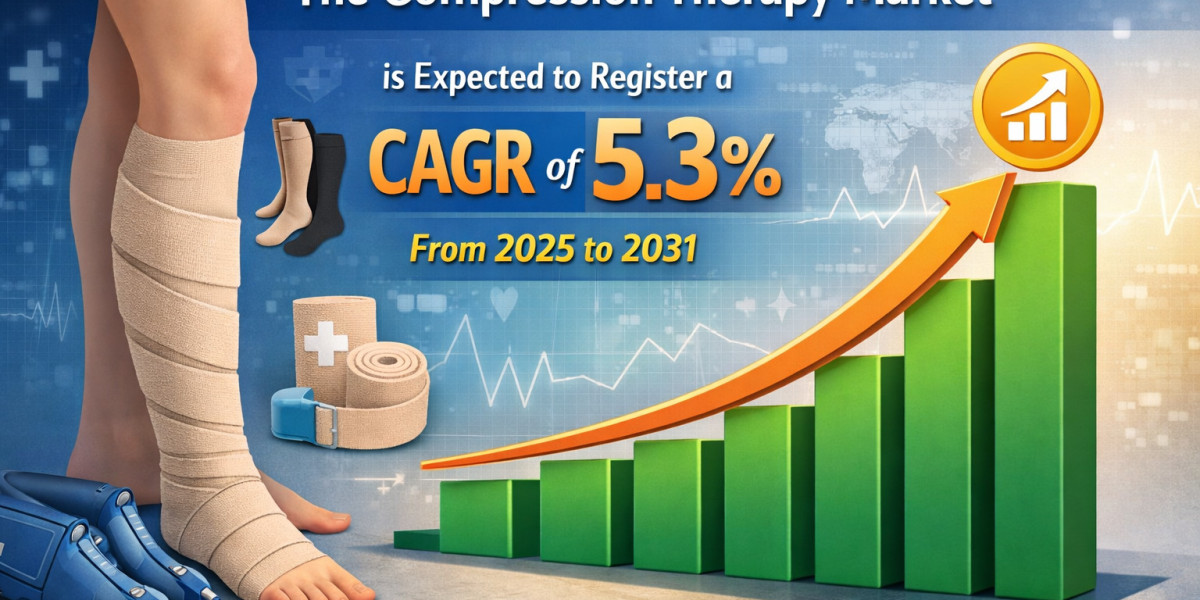

The global compression therapy solutions market continues to attract significant attention from healthcare providers, medical device manufacturers, and end users alike. As demand for non-invasive therapeutic options grows, compression therapy – which utilizes controlled pressure to improve blood circulation and reduce swelling – is increasingly recognized not only for medical applications but also for wellness and performance enhancement.
Ongoing demographic shifts, technological improvements, and expanding use cases are reshaping the market’s trajectory, offering robust growth opportunities over the coming decade.
Key Market Drivers
1. Rising Prevalence of Chronic Diseases
The incidence of chronic conditions – especially venous insufficiency, lymphedema, diabetes-related ulcers, and deep vein thrombosis (DVT) – is a major factor driving demand. These conditions often require long-term management, and compression therapy has been clinically validated as a cornerstone of conservative treatment. As global population trends lean toward older age groups, the frequency of such chronic disorders is expected to increase, naturally expanding the addressable market.
2. Aging Global Population
Population aging is a fundamental demographic trend influencing many healthcare markets, and compression therapy is no exception. Older adults face higher risks of circulatory disorders, musculoskeletal ailments, and immobility — all of which can be mitigated by effective compression solutions. The need for accessible, durable, and easy-to-use therapeutic devices will continue to rise as the share of seniors grows, particularly in Europe, North America, and parts of Asia Pacific.
3. Technological Advancements
Innovations in design, materials, and digital integration are transforming the compression therapy landscape:
- Smart compression devices now integrate sensors, Bluetooth connectivity, and automated pressure regulation.
- Advanced fabrics enhance breathability and comfort, increasing adherence.
- Customization technologies, including 3D scanning and AI-based pressure profiling, are emerging, enabling products tailored to individual anatomy and clinical needs.
These advancements broaden appeal beyond strictly clinical users — reaching athletes, wellness consumers, and post-operative patients who value data-driven recovery insights.
4. Expansion of At-Home Care
Healthcare delivery is evolving toward home-based management, fueled by cost containment pressures and shifts in patient preferences. Portable pneumatic compression systems, wearable garments, and app-linked solutions support this trend by enabling therapy outside clinical settings. The convenience and autonomy afforded by at-home therapy are driving broader uptake, particularly among patients recovering from procedures or living with chronic conditions.
Request Sample Pages of this Research Study @ https://www.theinsightpartners.com/sample/TIPRE00023081
Market Key Players: -
· DJO Global, Inc. A leading provider of orthopedic devices and rehabilitation solutions, focusing on pain management and mobility improvement.
· BSN medical A global medical device company specializing in wound care, compression therapy, and orthopedic products to enhance patient care.
· medi GmbH & Co. KG A manufacturer of medical aids, including compression garments and orthopedic supports, dedicated to improving quality of life and mobility for patients.
Market Challenges
While growth prospects are strong, several challenges could temper momentum:
1. High Product Cost
Advanced compression systems, especially those incorporating smart features or pneumatic technology, often carry premium price tags. In emerging markets and low-income regions, cost sensitivity remains high, limiting widespread adoption. Affordable yet effective product tiers are needed to balance performance with accessibility.
2. Patient Compliance
Although compression therapy is clinically effective, compliance is a persistent issue. Traditional compression stockings can be difficult to don, especially for elderly patients or individuals with limited mobility. Discomfort during extended wear can discourage adherence, reducing therapeutic outcomes and perceived value. Design innovations focused on ease of use and comfort are essential to overcoming this challenge.
3. Regulatory Hurdles
Medical devices face stringent approval requirements and ongoing quality standards across regions. Navigating diverse regulatory frameworks — from FDA clearances in the United States to CE marking in Europe — can slow product launches and increase development costs. Smaller market players may find these barriers especially burdensome.
4. Limited Awareness in Some Segments
Despite clinical evidence supporting compression therapy, awareness in certain patient populations remains limited. Misconceptions about effectiveness, discomfort concerns, or lack of clinical referral can slow adoption, particularly in primary care and community health settings.
Forecast Analysis (2026–2035)
Looking ahead, industry analysis suggests that the compression therapy market will maintain steady double-digit growth through the next decade. Several dynamics point toward strong forward momentum:
- Widening Medical Indications: As research continues to validate compression therapy across new clinical use cases (such as wound healing and post-surgical recovery), medical adoption is likely to expand.
- Emerging Market Penetration: Growing healthcare investment and rising chronic disease burdens in Asia Pacific, Latin America, and parts of the Middle East and Africa are expected to unlock new growth pockets.
- Integration with Digital Health: Products linked with telehealth platforms, remote monitoring, and digital coaching will differentiate offerings and expand value propositions for both clinicians and patients.
- Hybrid Use Cases: The convergence of medical and lifestyle applications — especially in sports recovery and daily wellness wear — will diversify revenue streams and support consumer market expansion.
Frequently Asked Questions (FAQ)
Q1. What are compression therapy solutions?
Compression therapy solutions are medical and wellness products designed to apply controlled pressure to specific parts of the body, primarily the limbs. These solutions help improve blood circulation, reduce swelling, prevent blood clot formation, and support recovery from various vascular and lymphatic conditions.
Q2. What are the main types of compression therapy products available in the market?
The market includes compression garments (stockings, sleeves, bandages), pneumatic compression devices, and advanced smart compression systems. Products are available in different pressure levels and designs to address both clinical and lifestyle needs.
Q3. What factors are driving growth in the compression therapy solutions market?
Key growth drivers include the rising prevalence of chronic venous disorders, an aging global population, increased adoption of home-based healthcare, technological advancements in wearable devices, and growing awareness of preventive healthcare and sports recovery solutions.
Related Report:
2) Pipette Controllers Market Growth
About Us: -
The Insight Partners is a one-stop industry research provider of actionable intelligence. We help our clients in getting solutions to their research requirements through our syndicated and consulting research services. We specialize in industries such as Semiconductor and Electronics, Aerospace and Defense, Automotive and Transportation, Biotechnology, Healthcare IT, Manufacturing and Construction, Medical Devices, Technology, Media and Telecommunications, Chemicals and Materials.
Also Available in : Korean German Japanese French Chinese Italian Spanish