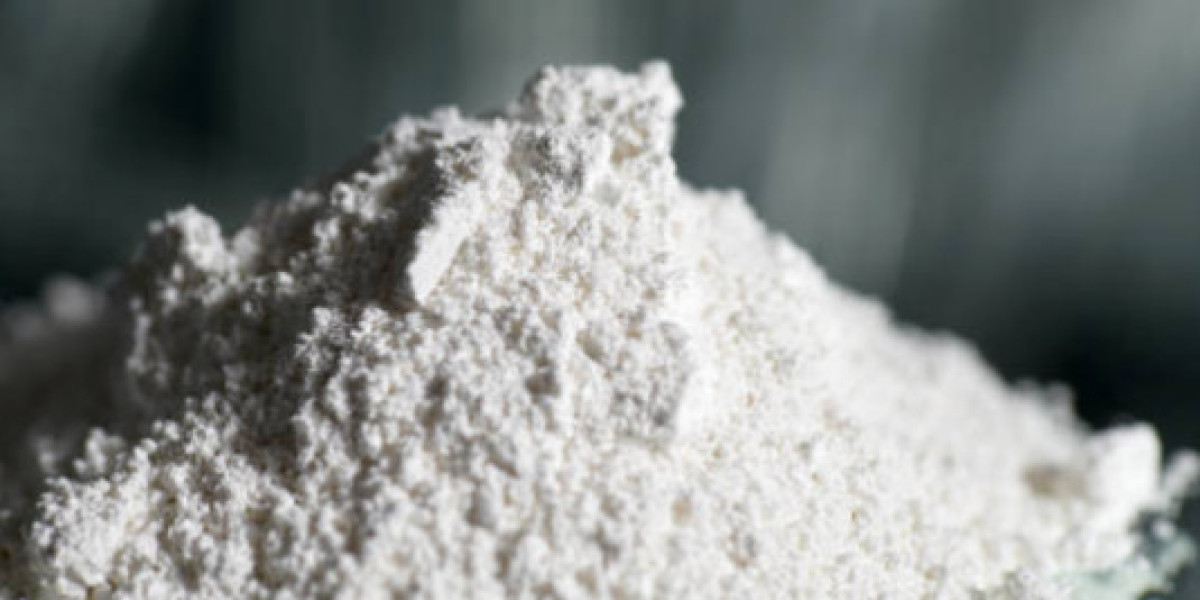

Cesium Carbonate is an important inorganic compound widely used in organic synthesis, catalysis, materials science, and electronics. Due to its strong basicity, high solubility in polar solvents, and thermal stability, Cesium Carbonate has become a valuable reagent in both research laboratories and industrial chemical processes.
Understanding how Cesium Carbonate is prepared helps chemists control purity, particle size, and suitability for specific applications. Different synthesis routes can influence the compound’s physical and chemical characteristics, which in turn affect its performance in catalytic reactions and material formulations.
Modern production methods of Cesium Carbonate focus on efficiency, safety, and environmental responsibility. Whether synthesized on a laboratory scale or in large industrial facilities, the goal is to obtain a high-purity, stable carbonate salt suitable for advanced chemical use.
Basic Chemistry Behind Cesium Carbonate Formation
Cesium Carbonate (Cs₂CO₃) is formed when cesium-containing compounds react with a carbonate source or carbon dioxide. The process typically involves:
A cesium base such as cesium hydroxide
A carbonate source like carbon dioxide or ammonium carbonate
Controlled temperature and reaction conditions
The synthesis relies on neutralization or carbonation reactions that convert cesium ions into the carbonate salt.
Laboratory Synthesis Method
This approach is commonly used for small-scale preparation and research purposes.
Step 1: Preparing Cesium Hydroxide Solution
Cesium hydroxide is dissolved in distilled water to form a clear alkaline solution. The solution must be handled carefully because cesium hydroxide is highly caustic.
Reaction Environment Tips:
Use glass or corrosion-resistant containers
Maintain moderate temperatures
Stir continuously for uniform concentration
Step 2: Introducing Carbon Dioxide
Carbon dioxide gas is slowly bubbled through the cesium hydroxide solution. This leads to a neutralization reaction.
Chemical Reaction:
CsOH + CO₂ → CsHCO₃
2 CsHCO₃ → Cs₂CO₃ + CO₂ + H₂O
This two-step pathway first forms cesium bicarbonate, which then decomposes into Cesium Carbonate upon gentle heating.
Step 3: Evaporation and Crystallization
The solution is heated carefully to remove excess water. As the solvent evaporates, cesium carbonate begins to crystallize.
Maintain controlled heat to avoid decomposition
Use slow evaporation for better crystal formation
Step 4: Drying the Product
The collected crystals are dried in an oven at moderate temperatures to remove residual moisture, resulting in a fine white powder of Cesium Carbonate.
Industrial Synthesis Method
Large-scale production requires more controlled and efficient processes.
1. Raw Material Preparation
Industrial synthesis starts with cesium-containing minerals or purified cesium salts. These are processed to produce cesium hydroxide solution, which serves as the primary reactant.
2. Carbonation Process
Carbon dioxide is introduced into large reactors containing cesium hydroxide solution. Automated systems regulate:
Gas flow rate
Temperature
Pressure
This ensures consistent reaction rates and high conversion efficiency.
3. Conversion and Concentration
The intermediate cesium bicarbonate formed during carbonation is thermally converted into Cesium Carbonate. Industrial evaporators remove water and concentrate the solution.
4. Crystallization and Separation
Crystallization tanks allow controlled formation of Cesium Carbonate crystals. The solid product is then separated using filtration or centrifugation.
5. Drying and Packaging
The final drying stage removes trace moisture. The material is then milled to the desired particle size and packaged under dry conditions to prevent moisture absorption.
Alternative Synthesis Routes
1. Reaction with Ammonium Carbonate
Cesium hydroxide can react with ammonium carbonate to produce Cesium Carbonate, water, and ammonia. This method allows better control over carbonate ion concentration.
2. Direct Carbonate Exchange
In some processes, cesium salts react with soluble carbonate salts through ion exchange, forming Cesium Carbonate as a precipitate.
Factors Affecting Product Quality
The final quality of Cesium Carbonate depends on several variables:
Purity of starting materials
Reaction temperature control
Carbon dioxide flow rate
Drying conditions
Moisture exposure during storage
Careful control of these parameters ensures a high-purity product suitable for sensitive chemical applications.
Safety Considerations During Synthesis
Although Cesium Carbonate itself is relatively stable, its synthesis involves reactive and corrosive materials.
Important precautions include:
Wearing gloves, goggles, and protective clothing
Using proper ventilation when handling carbon dioxide or alkaline solutions
Avoiding direct contact with cesium hydroxide
Storing final product in airtight containers to prevent moisture absorption
Industrial facilities also use automated monitoring systems to ensure safe handling of gases and caustic solutions.
Environmental Considerations
Modern synthesis methods aim to reduce environmental impact by:
Recycling process water
Controlling carbon dioxide emissions
Minimizing chemical waste
Using energy-efficient evaporation and drying systems
These improvements make Cesium Carbonate production more sustainable and aligned with green chemistry principles.
Applications of Synthesized Cesium Carbonate
Once synthesized, Cesium Carbonate is used in:
Organic synthesis as a strong base
Catalytic reactions in fine chemical production
Glass and ceramic formulation
Electronic and optoelectronic materials
Specialty chemical manufacturing
The synthesis method can influence particle size and purity, which directly affect performance in these applications.
Future Developments in Synthesis Technology
Research is exploring:
Low-energy carbonation processes
Continuous-flow synthesis systems
Improved crystallization control
Greener reagents and solvent-free methods
These advancements aim to make Cesium Carbonate production more efficient, cost-effective, and environmentally friendly.
FAQs About Cesium Carbonate Synthesis
Q1: What is the most common method to synthesize Cesium Carbonate?
The carbonation of cesium hydroxide using carbon dioxide is the most widely used method.
Q2: Why is carbon dioxide used in the synthesis?
Carbon dioxide provides the carbonate ion needed to form Cesium Carbonate through a neutralization reaction.
Q3: Can Cesium Carbonate be synthesized in a laboratory?
Yes, small-scale synthesis is possible using cesium hydroxide solution and controlled carbonation.
Q4: What affects the purity of the final product?
Impurities in starting materials, poor temperature control, and moisture contamination can reduce purity.
Conclusion
The synthesis of Cesium Carbonate involves well-established chemical reactions that convert cesium-containing bases into a stable carbonate salt. From laboratory-scale carbonation methods to advanced industrial production systems, each step requires careful control to ensure purity and performance. As research continues to improve efficiency and sustainability, modern synthesis techniques are making Cesium Carbonate more accessible for use in organic chemistry, catalysis, materials science, and emerging technologies.