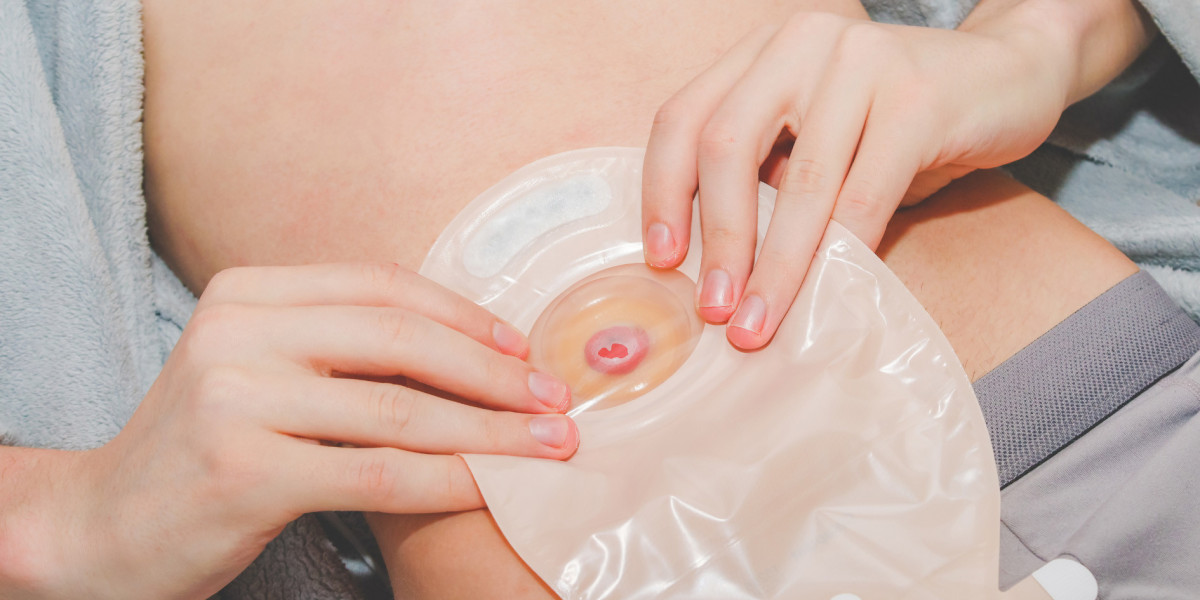

Living with an ostomy can present unique challenges, particularly when it comes to managing odor and maintaining comfort throughout the day. These concerns, if not addressed properly, can affect confidence, social interactions, and overall quality of life. With the right strategies, individuals can confidently manage Ostomy And Colostomy at Home, reduce odors, and maintain a comfortable routine. Understanding proper care techniques, selecting the right products, and building effective habits are essential for a stress-free daily experience.
Understanding the Sources of Odor:
Odor can be caused by a variety of factors, including stoma output, appliance fit, and diet. Identifying the source is the first step in effective management.
Food choices that increase gas or strong odors, such as onions, garlic, and certain proteins
Improper pouch emptying or infrequent changes
Leaks or gaps in the appliance causing exposure
Bacteria growth in the pouch or skin folds
Choosing the Right Appliances for Comfort and Odor Control:
Selecting appliances designed for odor control and comfort can significantly improve daily life. Modern products provide features that enhance security and reduce unwanted smells.
Use pouches with built-in filters to neutralize gas
Choose soft, flexible wafers for better skin adhesion
Consider high-capacity or drainable pouches for longer wear
Replace worn or damaged appliances promptly to maintain effectiveness
Proper Emptying and Cleaning Techniques:
Regular and correct emptying of the pouch is crucial to prevent odor buildup and maintain comfort. Simple habits make a significant difference.
Empty pouches when they are one-third to half full to reduce pressure
Rinse reusable pouches with warm water if recommended
Clean the peristomal skin gently during each change
Avoid harsh chemicals or scented soaps that can irritate skin
Diet and Hydration Adjustments:
Diet directly affects stoma output, gas production, and odor. Small changes can improve comfort and reduce unwanted smells.
Drink adequate water to maintain hydration and smooth output
Introduce odor-reducing foods, such as parsley, yogurt, or cranberry juice
Monitor foods that trigger gas or strong odors and adjust intake
Eat smaller, more frequent meals to regulate output and reduce appliance strain
Using Deodorizers and Accessories:
Additional products can enhance odor control and improve comfort during daily life. These options provide reassurance and increase confidence.
Pouch deodorizers or drops designed for ostomy use
Charcoal filters to reduce gas-related odors
Protective pastes or barrier rings to prevent leaks and odor escape
Absorbent pads inside pouches for added freshness
Managing Skin Comfort and Irritation:
Comfort goes beyond odor control. Healthy peristomal skin reduces irritation, improves appliance adhesion, and makes daily routines easier.
Inspect skin daily for redness or sores
Apply barrier creams or protective films as needed
Ensure appliances fit properly to avoid friction or leaks
Avoid over-tightening belts or clothing that irritates the stoma area
Planning Ahead for Social and Work Activities:
Confidence in social situations improves when odor and comfort are managed effectively. Preparation ensures freedom and flexibility.
Keep a small emergency kit with spare pouches and wipes
Schedule appliance changes before leaving home for long outings
Wear clothing that accommodates the appliance comfortably
Communicate discreetly with caregivers or family when support is needed
Night-Time Comfort and Odor Management:
Overnight care requires strategies to maintain comfort, reduce odors, and prevent leaks while sleeping.
Empty pouches before bed to avoid overfilling
Use high-capacity pouches for extended wear
Ensure proper adhesion to prevent leaks and odor escape
Keep a backup kit nearby for overnight emergencies
Emotional Well-Being and Confidence:
Managing odor and comfort directly impacts emotional health. Feeling secure in daily routines reduces stress and promotes a positive mindset.
Focus on small successes in daily care routines
Seek support from ostomy groups or online communities
Practice relaxation or mindfulness techniques to reduce anxiety
Celebrate milestones and progress in self-management
Continuous Learning and Product Updates:
Staying informed about new products and care techniques enhances comfort and odor management. Knowledge empowers patients to adapt effectively.
Consult ostomy nurses or healthcare providers for product recommendations
Attend workshops or educational sessions on ostomy care
Keep track of what products and routines work best for your needs
Adjust routines as new solutions become available or lifestyle changes occur
Final Thoughts:
Managing odor and comfort with an ostomy at home requires attention to diet, appliance selection, proper hygiene, and emotional support. By implementing consistent routines, using effective products, and staying informed, individuals can confidently handle Ostomy And Colostomy at Home, maintain comfort, and reduce odor-related stress. With practice and planning, daily life becomes more manageable, allowing patients to focus on independence, social activities, and overall quality of life.