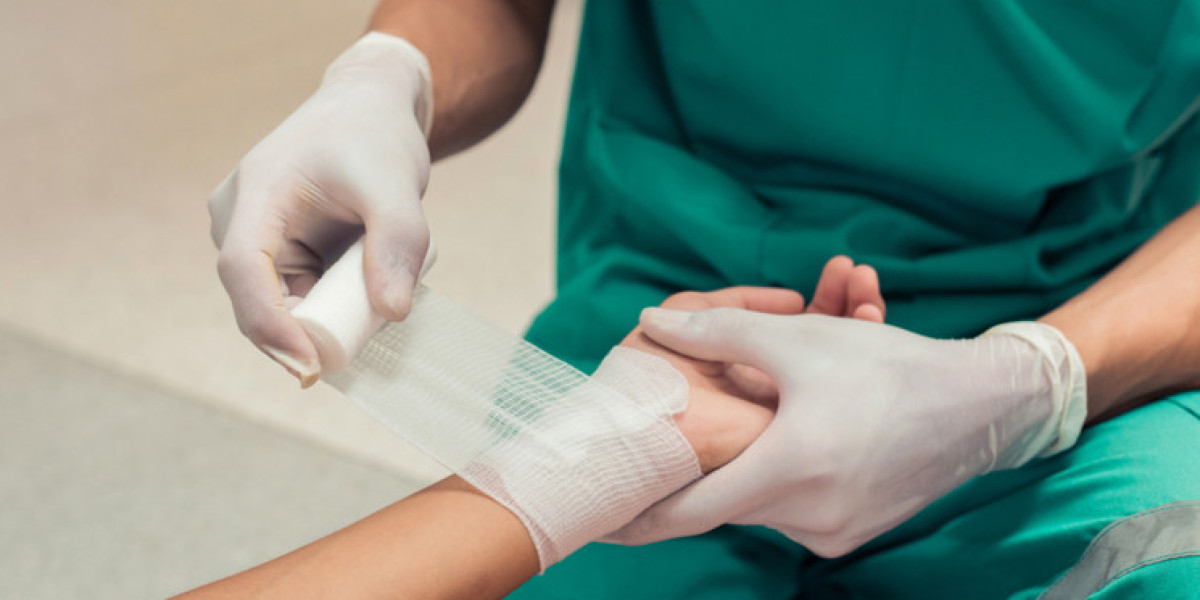

Caring for wounds at home requires vigilance and proper technique to ensure healing proceeds without complications. Wound Dressing at Home is more than just applying a bandage—it involves monitoring the wound closely for any signs of infection. Early recognition of infection allows timely intervention, preventing more serious health issues and promoting faster recovery. Understanding what to look for and how to respond is crucial for safe and effective home wound care.
Why Early Detection of Infection Matters:
Infections can significantly delay healing and increase the risk of complications. Recognizing them early helps reduce these risks. Key points include:
Prevents the spread of bacteria to surrounding tissue or bloodstream
Reduces the likelihood of chronic wounds or long-term damage
Minimizes pain, swelling, and other discomforts
Supports timely medical intervention, avoiding hospital visits
Early detection ensures that wound care remains effective and that recovery continues on track.
Common Causes of Wound Infection:
Understanding what triggers infections helps in preventing them during home care. Typical causes include:
Bacteria entering through open wounds
Contaminated dressings or unclean hands
Prolonged exposure to moisture or unsanitary surfaces
Poor blood circulation or underlying health conditions
Inadequate wound care or delayed dressing changes
Knowing the causes allows caregivers to take preventive measures and maintain a sterile healing environment.
Signs of Infection to Watch For:
Monitoring for infection requires knowing the subtle and obvious signs. Watch for:
Increased redness or warmth around the wound
Swelling or puffiness at the injury site
Pus, foul-smelling discharge, or unusual color changes
Persistent pain or tenderness beyond the expected healing discomfort
Fever or chills in severe cases
Recognizing these signs early allows caregivers to seek prompt medical advice and prevent complications.
Preparing for Safe Wound Dressing:
Proper preparation is essential to reduce infection risks and maintain a sterile environment. Steps include:
Washing hands thoroughly before handling the wound
Wearing disposable gloves to maintain hygiene
Ensuring all dressing materials are clean and within reach
Removing old dressings carefully without disturbing the wound unnecessarily
Using sterile saline or prescribed antiseptics to clean the wound
Preparation is the first step toward effective infection prevention during home care.
Step-by-Step Dressing Change Procedure:
Correct technique minimizes the risk of introducing bacteria and supports healing. Guidelines include:
Selecting the appropriate dressing for wound type and exudate
Applying the dressing gently without causing pressure on the wound
Securing it with hypoallergenic tape or soft bandages
Changing dressings according to medical advice or when they become soiled
Recording dressing changes and wound observations for reference
Following proper steps ensures both hygiene and optimal healing conditions at home.
Monitoring Wound Healing Progress:
Even without infection, regular monitoring is essential to track healing and detect problems early. Key practices include:
Inspecting the wound daily for changes in size, depth, or color
Noting any unusual drainage, odor, or increased pain
Observing surrounding skin for redness or swelling
Maintaining a log of dressing changes and wound condition
Consulting a healthcare provider if healing appears delayed or symptoms worsen
Consistent monitoring supports proactive care and early intervention.
Managing Pain and Discomfort:
Pain can interfere with proper dressing changes, so managing it is vital. Strategies include:
Taking prescribed pain relief before changing the dressing if needed
Using gentle techniques to remove old dressings and clean the wound
Choosing non-adherent or cushioned dressings to reduce irritation
Keeping the patient comfortable and supported during the process
Proper pain management ensures safe and consistent wound care at home.
Preventing Infection During Wound Dressing:
Preventive measures are key to avoiding infection while performing home wound care. Best practices include:
Washing hands thoroughly before and after dressing changes
Using sterile gloves and clean instruments
Keeping the wound covered and avoiding direct contact
Disposing of used dressings and materials safely
Cleaning surfaces and maintaining a hygienic care area
Strict adherence to these precautions minimizes bacterial contamination and promotes faster healing.
Common Mistakes That Lead to Infection:
Avoiding mistakes during wound care reduces the likelihood of infection. Common errors include:
Reusing or contaminating dressings and tools
Touching the wound directly without gloves
Leaving dressings on too long or changing them too infrequently
Ignoring early signs of infection or unusual wound changes
Avoiding these mistakes helps maintain a sterile environment and ensures safer wound healing at home.
Final Thoughts:
Wound Dressing at Home requires more than proper technique—it demands vigilance in recognizing early signs of infection. By understanding common causes, monitoring carefully, applying dressings correctly, and maintaining strict hygiene, caregivers can prevent complications and support faster recovery. Managing pain, avoiding mistakes, and seeking timely medical advice when needed further enhance home wound care effectiveness. Early detection and proper handling are key to safe, successful healing at home.