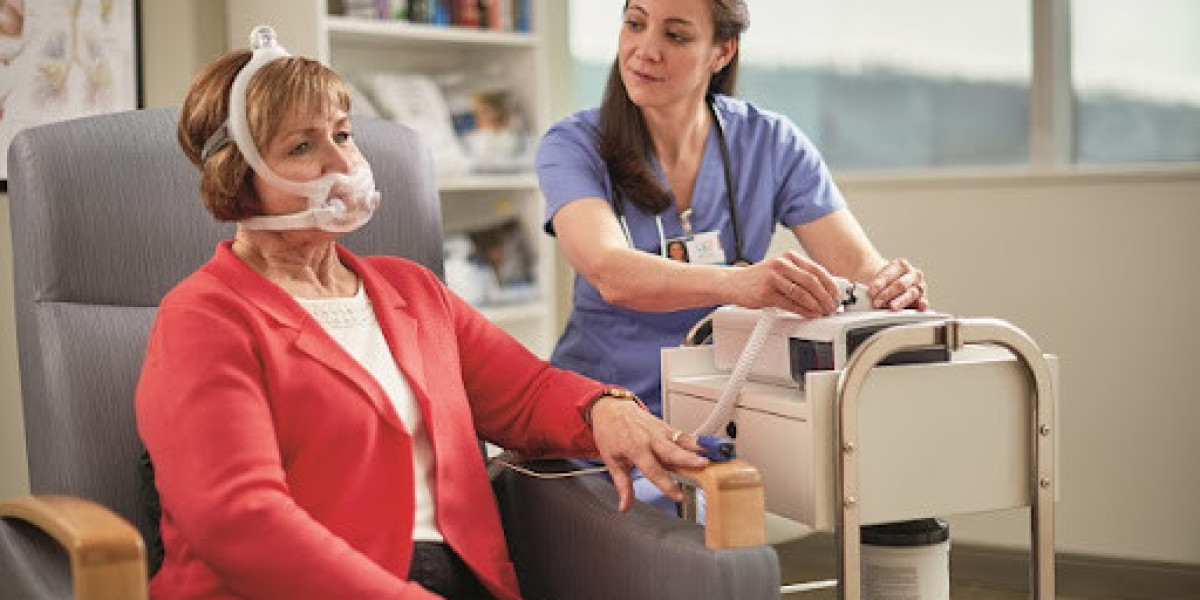

Providing ventilator support at home can be challenging, and effective care requires more than just access to equipment. Proper training for caregivers is essential to ensure safety, comfort, and optimal outcomes for ventilator-dependent patients. Well-trained caregivers can respond promptly to emergencies, maintain hygiene, and support both the physical and emotional needs of patients. Families in Dubai who are preparing to manage Ventilator Care At Home In Dubai benefit greatly from structured training programs and clear guidance.
Understanding the Role of a Caregiver:
Caregivers are responsible for the patient’s daily needs, equipment management, and overall well-being. Understanding this role is critical to providing effective ventilator care. Key responsibilities include:
Monitoring the patient’s vital signs and breathing patterns
Assisting with daily hygiene, nutrition, and comfort
Operating and maintaining ventilator equipment
Communicating with healthcare providers about changes in patient condition
Learning Ventilator Equipment Operation:
A caregiver must be familiar with the ventilator’s functions, alarms, and settings. Hands-on experience ensures confidence and readiness in day-to-day care. Training should cover:
Basic ventilator components and their functions
Adjusting settings according to the patient’s care plan
Recognizing and responding to alarms or malfunctions
Performing safe troubleshooting and manual ventilation if needed
Hygiene and Infection Control Training:
Maintaining a clean environment is crucial to prevent infections, especially for patients with tracheostomies or compromised immunity. Essential practices include:
Proper handwashing and use of gloves
Cleaning and disinfecting ventilator tubing, masks, and interfaces
Managing humidifiers and water reservoirs safely
Identifying signs of infection in the patient or equipment
Emergency Response Skills:
Caregivers must be prepared for sudden emergencies to protect the patient’s life. Training in emergency procedures builds confidence and safety. Key skills include:
Using a manual resuscitation bag if the ventilator fails
Responding to low oxygen levels or equipment alarms
Recognizing warning signs that require urgent medical attention
Maintaining contact information for doctors and emergency services
Patient Comfort and Positioning:
Comfortable positioning reduces the risk of pressure sores, improves breathing, and enhances quality of life. Caregivers should learn:
Correct positioning techniques for long periods of ventilation
Using cushions, pillows, and adaptive supports
Adjusting masks or tracheostomy interfaces to prevent irritation
Assisting with safe mobility or passive exercises
Emotional Support and Communication:
Ventilator-dependent patients may feel anxious or isolated, and caregivers play a critical role in providing emotional support. Techniques include:
Encouraging open communication and expressing reassurance
Using communication boards or apps for patients with speech difficulties
Maintaining a calm environment during care and alarms
Engaging patients in activities that promote mental well-being
Nutrition and Hydration Guidance:
Caregivers must ensure patients receive adequate nutrition and hydration to support recovery and overall health. Training should cover:
Preparing meals or feeding formulas according to dietary needs
Monitoring fluid intake and signs of dehydration
Assisting with safe swallowing techniques if needed
Coordinating with dietitians or healthcare providers for personalized care
Documentation and Monitoring:
Keeping accurate records helps track patient progress, ventilator performance, and early warning signs of complications. Caregivers should be trained to:
Log vital signs, ventilator settings, and alarms
Record feeding, hydration, and medication schedules
Note behavioral or emotional changes in the patient
Share documentation with healthcare providers for informed care decisions
Continuous Education and Professional Support:
Ventilator care is a dynamic field, and ongoing education helps caregivers stay updated on best practices. Key methods include:
Attending workshops or online training sessions
Participating in hospital discharge programs and tutorials
Consulting respiratory therapists or medical professionals for guidance
Accessing up-to-date resources on ventilator safety and management
Building Confidence and Preparedness:
Training equips caregivers with the knowledge and confidence to manage day-to-day care and emergencies. Family caregivers benefit from:
Hands-on practice under professional supervision
Clear understanding of responsibilities and care priorities
Developing problem-solving skills for unexpected situations
Improved ability to maintain patient safety and comfort
Final Thoughts.
Proper caregiver training is the foundation of safe and effective home ventilator management. By focusing on equipment operation, hygiene, emergency response, patient comfort, nutrition, emotional support, and ongoing education, families can ensure high-quality care. Well-prepared caregivers enhance both patient safety and quality of life, making Ventilator Care At Home In Dubai efficient, compassionate, and responsive to the needs of ventilator-dependent patients.


