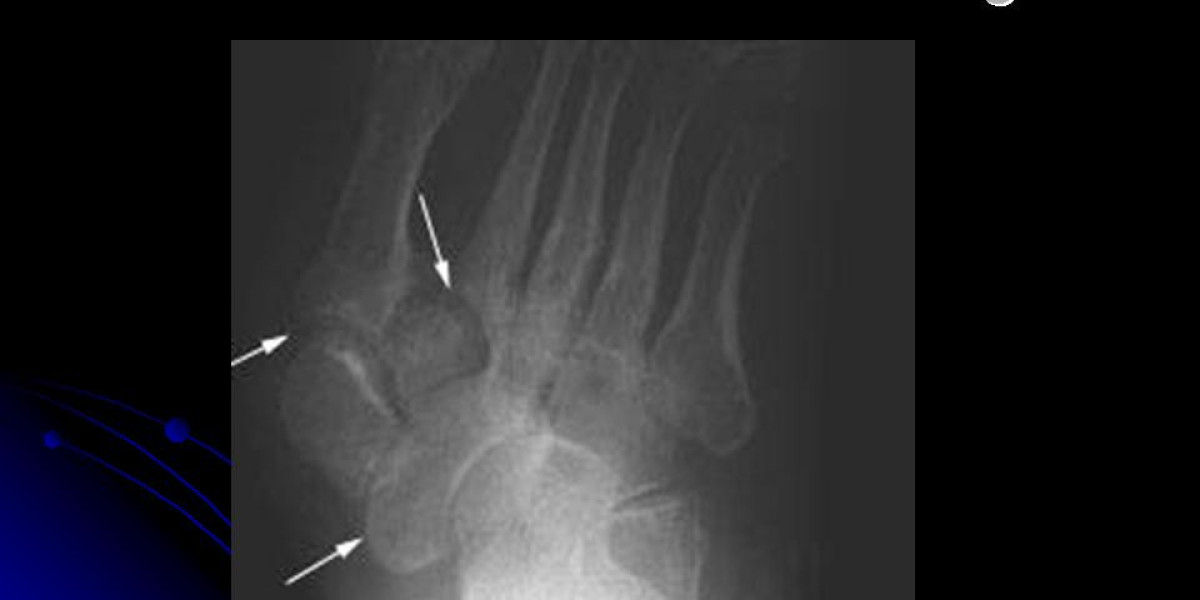

Injuries involving bones and joints can occur suddenly and disrupt daily life. At First Care Family Clinic, patients frequently seek help for accidents that result in pain, swelling, or limited movement. Conditions such as Fractures & Dislocations require prompt evaluation to prevent long term complications. Understanding the early signs, potential risks, and proper healing process can help individuals recover faster and avoid future injury.
Understanding Fractures & Dislocations
Fractures and dislocations are common musculoskeletal injuries, yet they affect the body in different ways. A fracture occurs when a bone cracks or breaks due to trauma, overuse, or weakened bone structure. A dislocation happens when a bone is forced out of its normal joint position, often damaging surrounding ligaments and tissues. Both injuries can cause severe pain and require medical attention to ensure proper alignment and healing.
These injuries affect people of all ages, from children involved in sports to older adults at risk of falls. Recognizing the nature of the injury helps guide the right treatment approach.
Common Signs and Symptoms
The symptoms of fractures and dislocations are often noticeable immediately after injury. Pain is usually intense and worsens with movement. Swelling, bruising, and visible deformity are also common indicators. In some cases, the affected limb may appear shorter or bent at an unusual angle.
Loss of function is another key sign. A person may be unable to bear weight, grip objects, or move the injured joint. Numbness or tingling can indicate nerve involvement, which requires urgent evaluation. Early diagnosis ensures better outcomes and reduces the risk of complications.
Causes and Risk Factors
Fractures and dislocations typically result from accidents such as falls, sports injuries, or vehicle collisions. However, underlying health conditions can increase susceptibility. Osteoporosis weakens bones, making them more prone to fractures even with minor trauma. Repetitive stress from physical activity can also lead to stress fractures over time.
Certain lifestyle factors increase risk as well. Poor nutrition, lack of physical activity, and inadequate protective gear during sports contribute to injury. Understanding these risks allows individuals to take preventive measures and protect joint and bone health.
Types of Fractures & Dislocations
Different injury patterns require different treatment approaches. Understanding the type of injury helps determine healing time and care needs.
Simple and Compound Fractures
Simple fractures occur when the bone breaks but does not pierce the skin. Compound fractures are more severe, with the bone breaking through the skin, increasing the risk of infection and complications.Stress Fractures
These small cracks develop due to repetitive force, commonly seen in athletes or individuals with overuse injuries. They may start with mild pain that worsens over time.Joint Dislocations
Dislocations commonly affect shoulders, fingers, hips, and knees. Ligaments and soft tissues are often stretched or torn, making proper repositioning essential.Partial Dislocations (Subluxations)
In these cases, the joint partially slips out of place and returns, but instability and pain may persist without treatment.
Immediate Care After Injury
Prompt care following an injury can significantly affect recovery. Immobilizing the injured area helps prevent further damage. Applying ice reduces swelling and pain, while elevation improves circulation. Avoid attempting to realign a bone or joint without medical assistance, as this may worsen the injury.
Seeking medical evaluation ensures proper imaging, diagnosis, and treatment planning. Early intervention minimizes complications and promotes effective healing.
Treatment Options for Fractures & Dislocations
Treatment depends on the severity and location of the injury. The primary goal is to restore proper alignment and function while reducing pain.
Immobilization and Casting
Many fractures heal with immobilization using casts or splints. This allows bones to remain in the correct position while healing naturally over time.Reduction Procedures
Dislocations often require reduction, a process where the joint is carefully guided back into place. This is typically followed by immobilization to support healing.Physical Therapy and Rehabilitation
After initial healing, therapy helps restore strength, flexibility, and range of motion. Rehabilitation is essential to prevent stiffness and future injury.Surgical Intervention
Severe fractures or unstable dislocations may require surgery. Pins, plates, or screws are used to stabilize bones and ensure proper alignment.
Healing Timeline and Recovery
Healing time varies depending on age, injury severity, and overall health. Minor fractures may heal within six to eight weeks, while complex injuries require longer recovery. Dislocations often heal faster but may leave joints unstable without rehabilitation.
Consistent follow up care ensures proper healing progress. Ignoring pain or resuming activity too early can delay recovery or cause reinjury. Patience and adherence to medical guidance are key to long term success.
Risks of Delayed or Improper Treatment
Delaying treatment increases the risk of complications. Improperly healed fractures can lead to chronic pain, deformity, or reduced mobility. Untreated dislocations may result in joint instability or nerve damage.
Long term consequences include arthritis, weakness, and decreased quality of life. Early diagnosis and appropriate care significantly reduce these risks and support full recovery.
Preventing Future Injuries
Preventive measures play a crucial role in reducing the likelihood of fractures and dislocations. Maintaining strong bones through proper nutrition, including calcium and vitamin D, supports bone health. Regular exercise improves balance and muscle strength, reducing fall risk.
Using protective gear during sports and practicing safe movement techniques also help prevent injuries. Awareness and proactive care contribute to long term musculoskeletal health.
When to Seek Medical Attention
Medical care should be sought immediately if there is severe pain, visible deformity, inability to move a limb, or numbness. Even mild symptoms should not be ignored, as some fractures are not obvious at first. Timely evaluation ensures accurate diagnosis and effective treatment.
Conclusion
Bone and joint injuries can be painful and disruptive, but proper care makes recovery possible. Understanding the signs, risks, and healing process of Fractures & Dislocations empowers individuals to act quickly and wisely. At First Care Family Clinic, patients receive professional evaluation and treatment focused on safe recovery and long term health. With timely care, appropriate treatment, and preventive strategies, most individuals can return to normal activities with confidence.
FAQs
What are the most common signs of fractures & dislocations?
Pain, swelling, bruising, deformity, and limited movement are common symptoms.
Can fractures heal without a cast?
Some minor fractures heal with splints or braces, depending on severity and location.
How long does it take to recover from a dislocation?
Recovery varies, but most dislocations heal within a few weeks with proper care and therapy.
Are fractures & dislocations emergencies?
They are not always life threatening, but prompt medical evaluation is essential.
Can physical therapy help after healing?
Yes, therapy restores strength, mobility, and reduces the risk of reinjury.