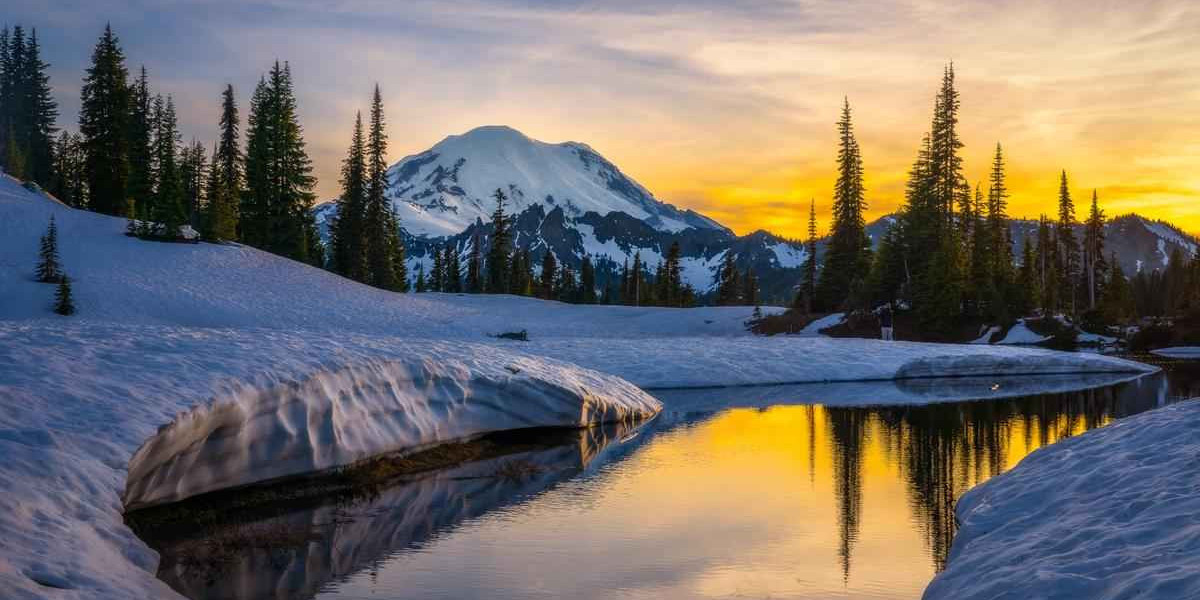

The Kedarkantha winter trek may be famous for its summit sunrise and snow-covered slopes, but what often goes unnoticed are the hidden gems scattered throughout the trail. These are the quiet corners, the untouched forests, the less-photographed campsites, and the landscapes that reveal themselves only to trekkers who take the time to observe.
Every year, thousands of trekkers choose this route, especially during winter, but very few realize how many natural marvels lie beyond the obvious views. With Himalaya Tribe, one of the most experienced trekking operators on this route, trekkers get deeper insights into the forests, frozen lakes, cultural spots, and panoramic ridges that make this journey unforgettable.
This article explores the hidden beauty of the Kedarkantha winter trek—what you miss in photos, but feel deeply once you walk through the trail yourself.
The Forests That Feel Like a Different World
1. The Dense Pine-Brown Oak Belt After Sankri
The moment you leave Sankri and start walking toward the first campsite, you enter a dense belt of pine and brown oak forests. But what most trekkers don’t know is that this stretch is one of the richest biodiversity zones in Uttarakhand’s Govind Wildlife Sanctuary.
The forest stays unusually quiet in winter, and the thick layer of snow muffles every sound even further. The silence becomes one of the biggest charms of the trek.
Himalaya Tribe’s guides often point out rare winter sightings like:
Himalayan langurs
Barking deer
Mountain birds camouflaged in snow
Frozen streams that appear like glass
For first-time trekkers, this forest section feels surreal—like walking through a winter storybook.
2. Juda Ka Talab: More Than Just a Campsite
Most trekkers treat Juda Ka Talab as a halt point, but few realize how historically and geographically unique this frozen lake is.
What Makes It a Hidden Gem?
In winter, the lake freezes into a mirror-like ice sheet.
The 360-degree winter forest around it creates a natural amphitheater of silence.
The legends say Lord Shiva meditated here.
On clear nights, the sky here reveals constellations with almost zero light pollution.
Himalaya Tribe usually places trekkers a bit away from the lake to maintain safety and preserve the natural environment. This ensures you get quiet, undisturbed views, especially during the golden sunset glow.
3. The Hidden Forest Clearing Before Kedarkantha Base Camp
Just before reaching Kedarkantha Base Camp, there is a lesser-known clearing surrounded by maple trees and tall oaks. During winter, snow gathers so thick here that the entire stretch feels untouched—even days after snowfall.
Because of its natural sound shield and thick tree belt, this clearing becomes one of the calmest sections of the Kedarkantha winter trek.
Few trekkers actually stop here, but Himalaya Tribe guides often introduce it to their groups as a hidden photography spot because:
The snowbed remains smooth and undisturbed.
The trees covered in snow create a magical tunnel effect.
You get one of the earliest glimpses of the ridge leading to the summit.
It’s peaceful, scenic, and perfect for trekkers who want a moment of stillness.
Camps That Hide Their Own Stories
1. Homkund: A Lesser-Known Alternate Campsite
Most trekkers only stay at Juda Ka Talab or Kedarkantha Base Camp. But Himalaya Tribe also uses Homkund as an alternate campsite during peak rush. Surprisingly, many trekkers end up liking Homkund more than the standard camps.
Why it’s a hidden gem:
It gives a clearer view of the Swargarohini range.
Very few trekking groups choose it, so the location remains peaceful.
Sunrise here is spectacular, with the snow glowing orange.
The sense of isolation adds to the charm—perfect for trekkers who want a quieter setting.
2. Kedarkantha Base Camp: The Theater Before the Summit
Although everyone knows the base camp, very few understand its real beauty.
This campsite is surrounded on three sides by forest slopes, while the fourth side opens into a massive snow valley. Late evenings offer one of the best sunset views on the Kedarkantha winter trek.
From here, you also get the first glimpse of the Kedarkantha summit ridge—a narrow but stunning snow spine leading up to the peak.
Himalaya Tribe ensures early dinners at this campsite so trekkers can rest well for the summit climb, which usually starts between 2 a.m. and 3 a.m.
Landscapes People Talk About Only After They Return
1. The Famous Summit Ridge
This is one of the most breathtaking sections of the trek—yet most photos fail to capture how magnificent it actually feels.
As you walk during the Kedarkantha winter trek, the sun begins to rise slowly behind the peaks, and the ridge lights up with a soft golden glow. The valley drops sharply on both sides, giving you a panoramic Himalayan view while you walk on a snow-covered spine.
It’s dramatic, peaceful, and one of the top reasons trekkers keep returning.
2. 360° Panoramic Summit View
The Kedarkantha summit is famous for giving a rare 360-degree view of Himalayan peaks:
Swargarohini
Bandarpoonch
Black Peak
Devkyara Valley
Ranglana
Rupin Valley
Very few Himalayan treks offer such a complete mountain panorama at a beginner level.
Himalaya Tribe guides help trekkers recognize various peaks from the summit, making the experience more meaningful and educational.
3. Frozen Waterfalls and Snow Bridges
Along the Kedarkantha winter trek trail, small streams freeze into natural art forms—crystal-like structures, shaped icicles, and transparent ice sheets.
These formations are among the most photographed winter features by trekkers returning with Himalaya Tribe.
One particular spot after Juda Ka Talab often forms a natural snow bridge during heavy snowfall. Although the team ensures safety measures before crossing, it becomes a memorable highlight for winter trekkers.
Also Read: Kedarkantha Summit Guide: Height, Altitude, Temperature, and Sunrise Views
Why Himalaya Tribe Helps You Experience These Hidden Gems Better
Many groups rush through the Kedarkantha winter trek, but Himalaya Tribe uses a more detailed, slow-paced, and environmentally responsible approach.
Here’s what makes the experience richer:
Smaller, more controlled trek groups
Local guides who know hidden spots
Camp placements chosen for views and safety
Early summit starts to avoid crowding on the ridge
Educational insights about forests, snow formations, and peaks
With their expertise, trekkers not only reach the summit safely but also discover hidden beauties that most groups overlook.
FAQs About the Kedarkantha Winter Trek
1. Is the Kedarkantha winter trek suitable for beginners?
Yes. It is one of the most beginner-friendly Himalayan winter treks. Himalaya Tribe provides expert guides and a comfortable pace to ensure a safe experience.
2. How cold does it get during the trek?
Temperatures can drop to:
Day: 5°C to -3°C
Night: -5°C to -15°C
Proper layering is essential.
3. What are the best months for the Kedarkantha winter trek?
December to February offers the heaviest snow, clearest skies, and the best winter landscape.
4. How long is the trek?
The trek covers approximately 20 km over 4–6 days, depending on the itinerary.
5. Can I do the trek solo?
Solo trekking is possible, but winter conditions can be unpredictable. It’s safer to trek with an experienced operator like Himalaya Tribe.
6. Are there washrooms on the trail?
Campsites have clean, dry pit toilets arranged by Himalaya Tribe for hygiene and comfort.
7. What is the difficulty level of the summit climb?
Moderate. The snow, steep ascent, and early morning timing make it slightly challenging, but guides ensure safe progression.