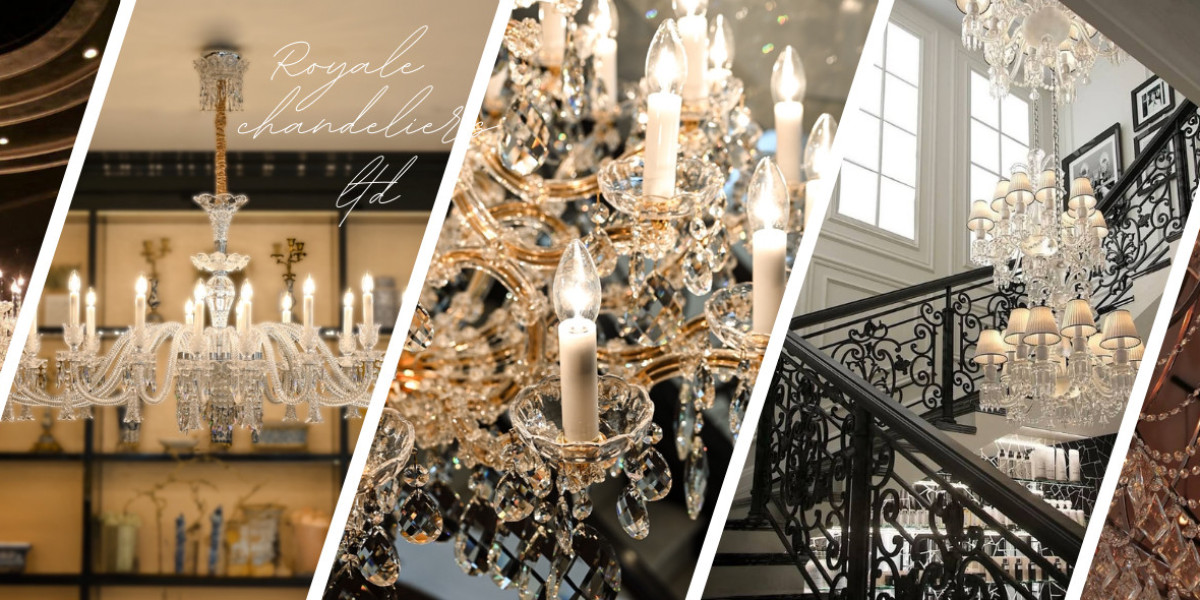

Grand chandeliers are unique architectural assets, often holding immense historical and monetary value. However, even the most durable materials succumb to time, developing issues that move beyond surface dirt: electrical wiring becomes brittle, metal framework corrodes, and structural components weaken. Neglecting these critical failures not only diminishes the fixture’s aesthetic beauty but poses serious safety hazards. To protect this significant investment and preserve its functionality for future generations, professional chandelier restoration is a non-negotiable service.
Restoration goes far beyond cleaning; it involves diagnostic expertise, engineering integrity, and the delicate application of specialized craft to repair structural, electrical, and aesthetic flaws.
1. The Diagnostic Phase: Why Cleaning Precedes Restoration
The first critical step in any successful chandelier restoration project is a thorough professional cleaning. Cleaning removes years of accumulated grime, corrosion, and oxidation, exposing the underlying condition of the fixture. This process is vital for two reasons:
Revealing Hidden Defects: Dirt and tarnish often conceal stress cracks, metal fatigue, or damaged joints that could lead to catastrophic structural failure if left untreated.
Assessing Corrosion: Cleaning brings corrosive oxidation on the metal frame to light, allowing experts to determine the extent of the damage before attempting polishing or plating. This ensures the restoration plan addresses root structural integrity alongside aesthetic flaws.
2. Non-Negotiable Safety: Electrical Rewiring
The most urgent component of restoring any antique or vintage chandelier is the electrical system. Wiring installed decades ago is often brittle, frayed, or lacks modern insulation, presenting a significant fire hazard.
Fire Hazard Mitigation: Heat and age cause antique wiring insulation to crack, increasing the risk of shorts and electrical fires. Restoration mandates the removal of all old, unsafe wiring.
Code Compliance: The fixture must be fully rewired using modern, UL-certified components (where applicable) and brought up to current electrical safety codes. This process includes replacing old sockets and ensuring all electrical components can safely handle contemporary lamp technology.
Wire Integration: Rewiring requires careful planning to feed new wires through fragile, often narrow arms and bodies without causing mechanical damage or disrupting the fixture's aesthetic symmetry.
3. Structural and Aesthetic Integrity Repair
The comprehensive restoration process addresses both the load-bearing integrity and the preservation of the fixture’s original artistic intent.
Structural Repair: Metal fatigue, often caused by the constant strain of heavy crystal and years of heat exposure, can lead to cracks in arms or connecting loops. Specialists use precise welding techniques to stabilize and reinforce the framework, often coupling this with load testing to ensure the structure can safely bear its weight.
Aesthetic Preservation (Plating and Polishing): Oxidation and previous cleaning attempts using ammonia-based products can strip away the original plating (e.g., gold, silver, brass lacquer). Restoration involves professional electroplating or polishing to renew the metal’s finish while preserving the intricate detail of the original casting.
Crystal and Glass Repair: Missing, chipped, or damaged prisms, bobeches, or glass pieces are either repaired or expertly replicated. Replication requires matching the original cut, size, and material composition to maintain historical accuracy and light refraction quality.
4. Securing the Future: Installation and Load Testing
Restoration is only complete when the fixture is safely reinstalled. A specialist firm integrates the final safety steps into the restoration project.
Final Load Assessment: After structural repairs are complete, the fixture’s mounting hardware and the ceiling structure itself must be verified. This often involves applying load testing to the suspension system, proving its capacity to safely hold the fixture plus a safety margin.
Safe Reinstallation: The final installation requires specialized, secured lifting equipment and technicians who understand how to distribute the weight correctly to the newly reinforced suspension points.
Conclusion: Investing in Legacy and Safety
The meticulous process of chandelier restoration is an essential part of preserving architectural legacy and ensuring occupant safety. It requires an integrated approach that combines the precision of electrical engineering, the artistry of metalwork, and the expertise of structural assessment. Investing in professional chandelier restoration not only restores the fixture’s original brilliance but guarantees that it meets modern safety standards, transforming a potential liability into a preserved asset. Royale Chandeliers Ltd provides the certified expertise and holistic service model necessary to maintain the historical value and structural integrity of your treasured fixture.