
In today’s environmentally conscious world, businesses are expected to take responsibility for their impact on the planet. Packaging, long considered a mere protective layer, now carries significant weight in sustainability, brand image, and consumer perception. Traditional packaging materials like plastic and foam are increasingly criticized for their environmental footprint.
Molded pulp products provide an effective, eco-friendly alternative. They combine durability, customizability, and sustainability, making them ideal for a wide range of industries — from electronics to cosmetics to industrial goods. In this blog, we explore what molded pulp products are, their manufacturing process, benefits, applications, limitations, and best practices for implementing them in your packaging strategy.
What Are Molded Pulp Products?
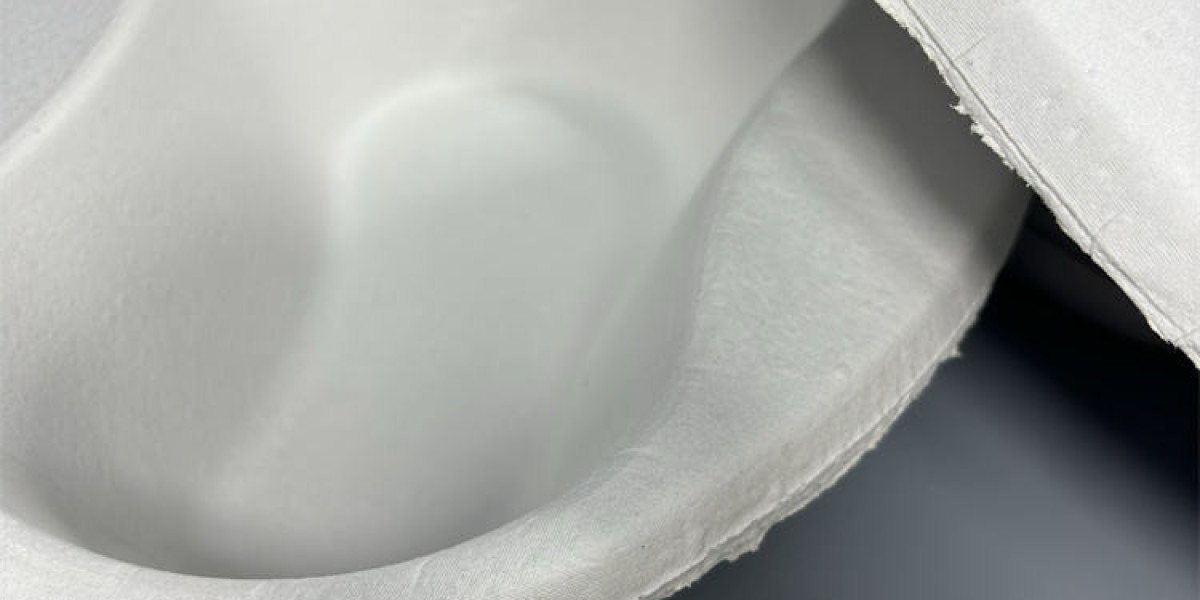
Molded pulp products are packaging components created from recycled paper, cardboard, or natural fibers. They are designed to hold, cushion, and protect products during shipping, storage, and handling.
These products can take many forms: trays, inserts, protective shells, and industrial packaging components. Unlike foam or plastic alternatives, molded pulp is biodegradable, recyclable, and compostable, aligning with sustainability initiatives.
Businesses worldwide are adopting these products for their ability to protect fragile items such as glassware, electronics, cosmetics, and industrial parts while reducing environmental impact. (bonitopak.com)
How Molded Pulp Products Are Made
Understanding the manufacturing process highlights why molded pulp is both durable and eco-friendly:
1. Raw Material Selection
Molded pulp products are typically made from recycled paper, cardboard, bagasse (sugarcane waste), or bamboo fiber. These renewable materials reduce dependence on virgin plastics and support a circular economy.
2. Pulp Preparation
The raw materials are pulped with water to create a slurry. This pulp slurry forms the base material, ensuring the final product is lightweight yet strong.
3. Molding and Pressing
The pulp slurry is poured into molds shaped to match the product’s dimensions. Wet-press or dry-press techniques remove excess water and form a sturdy structure. The molding ensures a snug fit for products, reducing movement and potential damage.
4. Drying and Finishing
The molded pulp is dried to maintain its shape and strength. Optional finishing, such as bleaching, coloring, or moisture-resistant coatings, can be applied depending on product requirements.
This process allows manufacturers to produce customized packaging that is both protective and environmentally responsible.
Advantages of Molded Pulp Products
1. Eco-Friendly and Sustainable
Biodegradable and Compostable: Molded pulp naturally decomposes, minimizing environmental pollution.
Made from Recycled Materials: Utilizing post-consumer or post-industrial fibers reduces waste.
Lower Carbon Footprint: Production requires less energy than plastics or foams.
Supports Circular Economy: Used products can be recycled or repulped for new packaging.
These advantages make molded pulp an ideal choice for environmentally responsible brands.
2. Product Protection
Custom Fit: Each product can have a tailored insert or tray, minimizing movement and reducing breakage risk.
Shock Absorption: The fibrous structure absorbs impacts and vibrations during transport.
Stackable and Space-Efficient: Many designs allow nesting for easy storage and shipping.
Stable and Non-Static: Suitable for electronics and sensitive items without the static issues seen in plastics.
3. Cost-Effectiveness
Lightweight: Reduces shipping costs.
Economical at Scale: After mold creation, mass production reduces per-unit cost.
Minimal Material Waste: Leftover pulp and water are often recycled.
Easy Disposal: Customers can recycle or compost the packaging easily.
4. Versatility Across Industries
Molded pulp products can be used in:
Cosmetics & Beauty Products: Trays and inserts hold bottles, jars, and skincare products.
Electronics: Custom inserts protect gadgets and components.
Glassware & Fragile Items: Cushions delicate products like bottles, jars, and ceramics.
Industrial Goods: Protective packaging for parts and machinery.
Retail & Food Packaging: Provides safe and sustainable packaging for food and consumer goods.
Limitations of Molded Pulp Products
While molded pulp products offer many benefits, there are some considerations:
Moisture Sensitivity: Untreated pulp can absorb water or humidity, weakening the structure. Coated pulp may be required for some products.
Aesthetic Constraints: Molded pulp typically has a natural look, which may not suit premium packaging requiring glossy finishes.
Upfront Mold Costs: Custom molds involve an initial investment, which may not be feasible for small production runs.
Heavy-Duty Limitations: Extremely heavy or high-stress products may require reinforcement or alternative materials.
Despite these limitations, molded pulp remains a viable, sustainable packaging solution for many businesses.
Best Practices for Implementing Molded Pulp Packaging
Audit Product Line: Identify fragile or multi-component products that need custom protection.
Choose the Right Variant: Select trays, inserts, or shells based on product size, weight, and fragility.
Partner with Experienced Manufacturers: Ensure quality control, custom mold creation, and consistent production.
Balance Aesthetics and Function: For premium products, consider outer boxes or coatings that complement the natural look.
Communicate Sustainability: Highlight eco-friendly packaging to strengthen brand perception and attract environmentally conscious consumers.
Plan for Disposal: Include instructions for recycling or composting to support a circular economy.
Applications of Molded Pulp Products
Consumer Electronics: Laptops, smartphones, accessories, and delicate components.
Cosmetics & Skincare: Bottles, jars, and beauty gift sets.
Food & Beverage: Containers, trays, and inserts for bottles or packaged food.
Industrial Parts: Heavy machinery components, automotive parts, or fragile industrial tools.
Retail & Subscription Boxes: Enhances presentation while providing protection.
Why Molded Pulp Products Are the Future of Packaging
Global trends support increased adoption of molded pulp products:
Environmental Regulations: Restrictions on single-use plastics make pulp packaging a compliant alternative.
Consumer Demand: Eco-conscious consumers prefer biodegradable and recyclable packaging.
Technological Advances: Improved molding and finishing techniques allow high-quality, durable, and customizable products.
Cost and Logistics Efficiency: Lightweight, stackable, and protective packaging reduces shipping and storage costs.
Industry Versatility: Suitable for consumer, industrial, and retail sectors.
As sustainability, cost-efficiency, and protection become central to packaging strategies, molded pulp products are emerging as the preferred solution.
Conclusion
Molded pulp products combine sustainability, protection, versatility, and cost-effectiveness. They are an eco-friendly alternative to plastic and foam, offering custom-fit protection for fragile and sensitive items.
Businesses that adopt molded pulp packaging can reduce shipping damage, cut costs, enhance brand image, and demonstrate commitment to environmental responsibility.
Incorporating molded pulp products into your packaging strategy is not only a step toward protecting your products — it’s a step toward protecting the planet.




