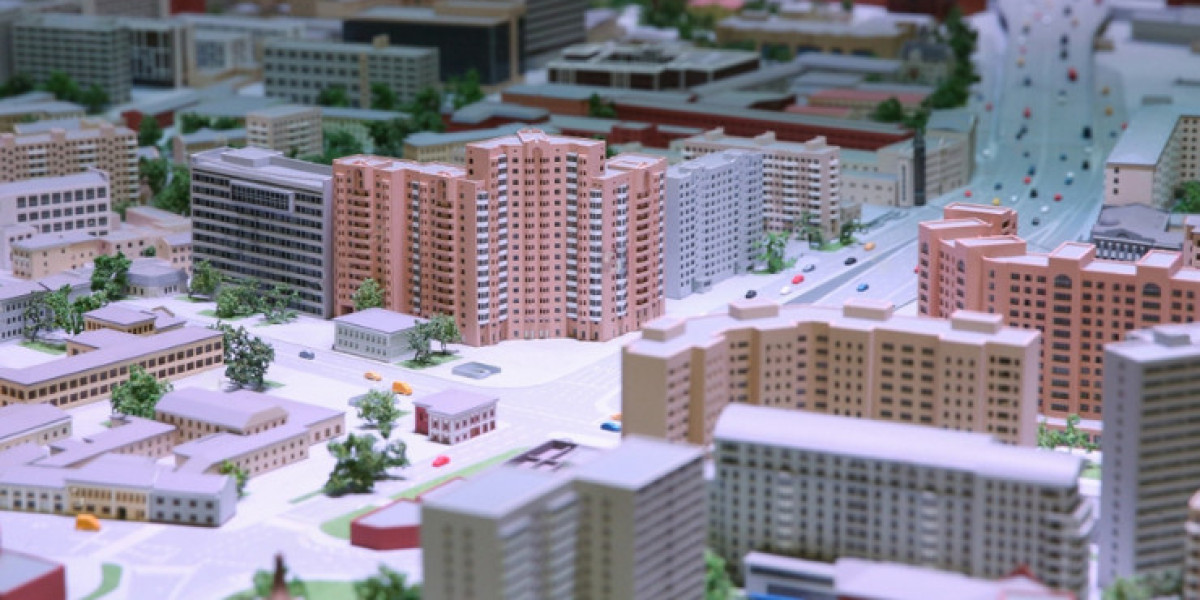

Dubai’s architecture is known for its innovation, elegance, and attention to visual detail. From shimmering glass towers to intricately patterned facades, every building reflects a unique design language.
To bring these architectural visions to life in miniature form, model makers rely on advanced techniques such as texture mapping. This digital process allows designers to reproduce the look and feel of real materials with stunning accuracy. In Dubai, texture mapping has become an essential step in model making, helping to capture the essence of complex facades in highly detailed scale models.
Understanding Texture Mapping
Texture mapping is the process of applying images, patterns, or surface details to a 3D model. It gives depth, realism, and surface quality to otherwise flat digital surfaces. In facade design, texture mapping is used to represent materials like stone, glass, metal, concrete, or decorative tiles.
It simulates how these materials interact with light and shadow. When integrated into model making, texture mapping allows Dubai studios to visualize and fabricate accurate facade replicas that reflect real-world textures.
Importance of Texture Mapping in Facade Models
The primary purpose of texture mapping is realism. Architectural models must communicate not only structure but also material quality. Clients and architects want to see how surfaces will appear under various lighting conditions.
In Dubai’s competitive design market, this level of visual detail can define the success of a presentation. Texture mapping helps convey the tactile qualities of materials—roughness, gloss, transparency, and relief. These visual cues allow viewers to understand how the finished building will interact with its environment.
Digital Foundation for Physical Models
Texture mapping begins in the digital modeling phase. Designers use 3D software such as Rhino, SketchUp, or Revit to create the building’s form. Specialized tools like Substance Painter or Blender are then used to apply texture layers.
Each layer represents a different material type, such as brushed steel, tinted glass, or patterned concrete. In Dubai’s model making industry, this digital accuracy is crucial because it guides fabrication techniques later. The digital map ensures that every panel or element produced physically matches the intended architectural texture.
Enhancing Realism Through Material Simulation
Modern texture mapping allows model makers to simulate real materials with remarkable precision. For example, they can apply displacement maps to show the grooves of stone cladding or normal maps to highlight embossed metal designs.
Reflective and specular maps can reproduce the shine of aluminum or the subtle reflection of glass. In facade design, this ensures that every surface has visual character. Dubai’s architecture often features Islamic geometric patterns, metallic panels, and perforated screens, all of which rely on texture mapping to achieve detailed representation before fabrication.
Integration with 3D Printing and Laser Cutting
Texture mapping is not just for digital visualization; it also supports production. In model making Dubai workshops, mapped textures are translated into fabrication data. 3D printers use this data to print fine surface details, while laser cutters follow mapped outlines to etch or engrave patterns.
This integration between digital design and physical production creates consistency across the entire model. When the printed or cut components are assembled, they maintain the same visual language that was defined during the texture mapping process.
Achieving Consistent Scale and Detail
One of the challenges in facade model design is maintaining consistency across different scales. Large architectural textures must be reduced without losing visual clarity. Texture mapping helps solve this issue by allowing digital adjustments before production.
Model makers in Dubai test different texture resolutions to ensure proportional accuracy. Whether it’s a 1:100 scale tower or a 1:50 residential model, the surface patterns remain legible and true to the design intent. This careful calibration ensures that the model communicates texture effectively, even in miniature form.
Lighting and Shadow Interaction
Texture mapping directly influences how light interacts with the model surface. When a textured surface is exposed to lighting, it creates realistic highlights and shadows. This effect is vital in facade modeling, where materials like metal or glass behave differently under illumination.
Dubai’s studios use controlled LED lighting during presentations to emphasize these effects. The combination of mapped textures and lighting simulation gives the facade a lifelike appearance. It helps clients visualize how sunlight or artificial light will play across the building’s surface.
Custom Mapping for Iconic Facades
Dubai’s architecture is full of distinctive landmarks featuring signature facades. Each design demands custom mapping to achieve authenticity. Model makers often collaborate with architects to extract original material samples or high-resolution texture images.
These references are digitally processed to create seamless texture maps. For instance, a marble-clad hotel tower or a perforated aluminum screen will require unique mapping to replicate its material identity. This custom approach ensures that every Dubai facade model stands out as a true representation of the architectural vision.
Role in Virtual and Physical Presentations
Texture mapping is equally valuable in both virtual and physical presentations. Before building the physical model, Dubai studios use texture-mapped 3D renders for client approvals. These digital previews allow architects to make material or color adjustments early in the process. Once finalized, the same mapping data is applied to the physical components during model making. The result is consistency between digital visualization and physical reality. This seamless workflow saves time and ensures accuracy from concept to completion.
Quality Control and Finishing
After the model components are produced, texture accuracy is verified during quality control. Surfaces are compared with reference textures to ensure alignment, color balance, and gloss level. Finishing techniques such as hand painting or airbrushing may be used to enhance texture visibility.
Dubai’s top model making studios take great care in reproducing the exact look of facade materials, from metallic reflections to subtle stone grains. This final stage ensures the model meets the city’s high presentation standards.
The Future of Texture Mapping in Dubai
As digital design technology evolves, texture mapping is becoming more advanced and automated. New software can generate real-time material responses and dynamic reflections. In the future, model making in Dubai will likely integrate augmented reality and AI-driven mapping systems to create even more immersive facade models. These tools will allow architects and clients to experience textures interactively, improving design communication and accuracy.
Conclusion
Texture mapping plays a vital role in bringing facade models to life. It bridges the gap between digital design and physical reality, ensuring that every surface tells a story. In Dubai’s rapidly growing architecture scene, precision and realism are key, and texture mapping provides both.
Through careful digital mapping, lighting integration, and material simulation, model making has reached new levels of sophistication. As Dubai continues to redefine architectural excellence, texture mapping remains a cornerstone of how its facade models capture beauty, detail, and innovation.