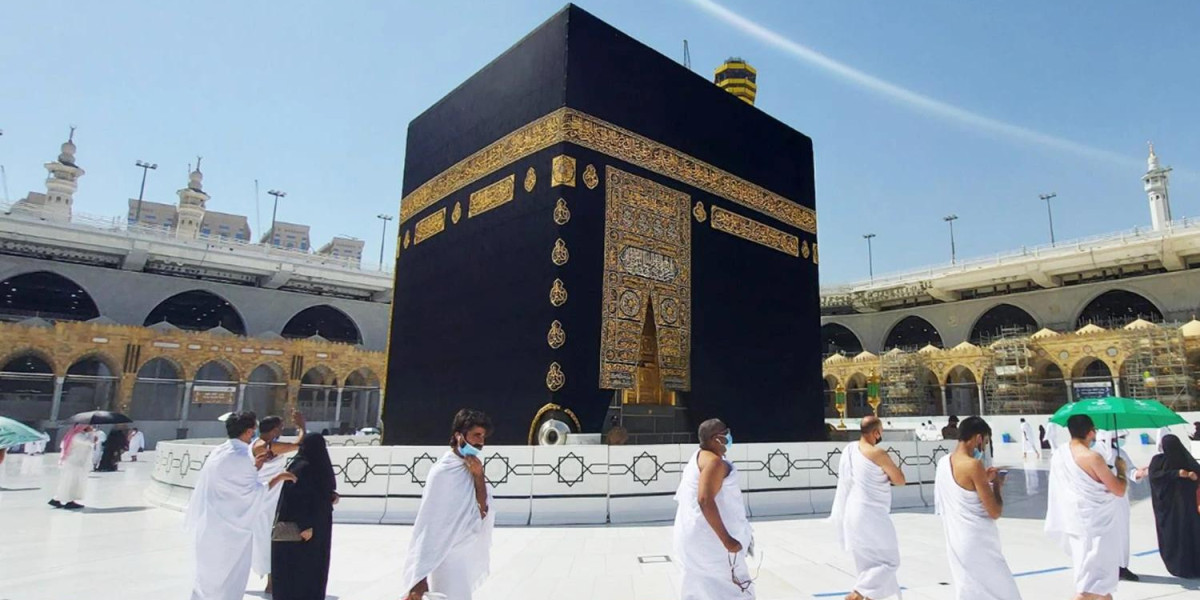

An Umrah trip is a journey of spiritual devotion, but it is also an opportunity to connect with the rich heritage of Islamic civilization. Beyond the sacred rituals of Tawaf, Sa’i, and prayers at the Masjid al-Haram and Masjid al-Nabawi, exploring historical landmarks allows pilgrims to witness the legacy of Prophet Muhammad (PBUH) and the evolution of Islamic culture. This article highlights key landmarks, practical tips, and problem-solving strategies for incorporating history into your Umrah experience.
The Spiritual and Historical Significance of Umrah
Umrah is often perceived primarily as a spiritual obligation, but it also carries immense historical value. Many sites in Makkah and Madinah are intertwined with the Seerah of the Prophet (PBUH), early Islamic governance, and the spread of Islam across civilizations. Pilgrims who engage with these historical landmarks gain a deeper appreciation of the religion, enhancing both knowledge and devotion.
Common Challenges Pilgrims Face:
- Limited time due to ritual commitments
- Lack of historical context or guidance
- Difficulty in navigating landmarks efficiently
- Overcrowding during peak seasons
Recognizing these challenges helps pilgrims plan better and enrich their Umrah journey beyond ritual practices.
Historical Landmarks in Makkah
1. Kaaba and Masjid al-Haram
While every pilgrim performs Tawaf and Sa’i, understanding the historical evolution of Masjid al-Haram enhances the spiritual experience. The Kaaba has been rebuilt multiple times, reflecting the enduring devotion of Muslims over centuries. Guides can provide insights into its architecture, expansions, and its centrality in Islamic history.
2. Mount Arafat
Though primarily associated with Hajj, Mount Arafat has historical significance tied to sermons delivered by Prophet Muhammad (PBUH). Pilgrims can reflect on his teachings here, connecting the landscape with profound moments in Islamic history.
3. Jabal al-Nour
This is where Prophet Muhammad (PBUH) received his first revelation in the Cave of Hira. Visiting the site allows pilgrims to experience the physical context of this pivotal moment in Islamic civilization. Strategically, combining early morning visits with Tawaf can maximize both historical and ritual experiences.
Historical Landmarks in Madinah
1. Masjid al-Nabawi
The Prophet’s Mosque is not only a place of prayer but also a living museum of Islamic history. Pilgrims can explore:
- The Rawdah, the area between the Prophet’s tomb and his pulpit
- Architectural expansions over the centuries
- Stories of the Prophet’s life and early Muslim community
Understanding these elements adds layers of spiritual reflection to every prayer.
2. Quba Mosque
As the first mosque established by the Prophet (PBUH), Quba Mosque represents the foundation of communal worship in Islam. Pilgrims visiting Quba can reflect on early Islamic values of unity, charity, and devotion, which are as relevant today as they were 1,400 years ago.
3. Masjid Qiblatain
This mosque is historically significant as the location where the Qibla (direction of prayer) was changed from Jerusalem to Makkah. It is an excellent site for understanding the dynamic evolution of Islamic practice and for reflecting on adaptability in faith.
4. Mount Uhud
The site of the famous Battle of Uhud provides a historical perspective on sacrifice, strategy, and resilience in early Islamic history. Pilgrims benefit from guided explanations of the events, allowing reflection on moral and ethical lessons.
Integrating Historical Visits Into Your Umrah Itinerary
Many pilgrims struggle to balance ritual obligations with historical exploration. Problem-solving strategies include:
- Prioritize Key Sites: Focus on landmarks that directly relate to the Prophet (PBUH) and early Islam.
- Use Guided Tours: Knowledgeable guides provide context, reducing time spent searching for information.
- Plan Off-Peak Visits: Visit popular sites early morning or late evening to avoid crowds.
- Combine Rituals and History: For example, perform Tawaf in the morning, then visit Jabal al-Nour or Quba Mosque, optimizing both spiritual and educational experiences.
By structuring your itinerary thoughtfully, you can experience the full depth of Islamic civilization without compromising ritual obligations.
The Role of Technology in Historical Exploration
Modern Umrah travellers can use technology to enhance their historical experience:
- Mobile Apps: Provide maps, historical context, and prayer schedules.
- Virtual Guides: Offer audio explanations and interactive learning about landmarks.
- E-Books and Digital Tours: Provide comprehensive narratives about Islamic history, architecture, and geography.
Using technology wisely can solve common challenges, such as lack of guidance and overcrowding, while ensuring pilgrims remain focused on worship.
Preserving the Authenticity of Pilgrimage
While historical exploration enriches Umrah, pilgrims must also maintain the sanctity and focus of the journey. Practical tips include:
- Avoid excessive sightseeing at the expense of ritual performance
- Respect sacred spaces and local customs
- Use historical learning to enhance spiritual reflection rather than as mere tourism
- Reflect on the moral, ethical, and spiritual lessons associated with each site
This approach ensures a meaningful and balanced Umrah experience that honors both history and devotion.
How Historical Awareness Solves Modern Challenges
Modern pilgrims face unique challenges such as overcrowding, fatigue, and disconnection from historical context. Engaging with historical landmarks provides solutions:
- Structured Reflection: Visiting historical sites gives pilgrims natural pauses for contemplation.
- Enhanced Spiritual Focus: Understanding the context of rituals and locations deepens worship.
- Educational Value for Families: Children and young pilgrims learn about Islamic civilization in an engaging, immersive way.
- Time Optimization: Guided historical visits prevent aimless wandering, maximizing both spiritual and educational gains.
By integrating history into the pilgrimage, travelers solve logistical, spiritual, and educational challenges simultaneously.
Practical Tips for Rediscovering Islamic Civilisation During Umrah
- Book a Combined Package: Look for Umrah packages that include historical tours along with ritual coordination.
- Research in Advance: Learn key stories of landmarks before your trip to enhance comprehension.
- Plan Rest Periods: Include time for reflection to prevent fatigue and maintain spiritual focus.
- Engage Guides Wisely: Select guides with historical expertise to provide meaningful context.
- Document Your Journey: Journaling or photographing (where permitted) helps retain historical knowledge for future reflection.
These strategies ensure that your pilgrimage is not only spiritually fulfilling but also intellectually and culturally enriching.
Conclusion: Umrah as a Journey Through Time
An Umrah trip offers more than spiritual purification—it is an opportunity to rediscover Islamic civilization through historical landmarks that illuminate the life of Prophet Muhammad (PBUH), the early Muslim community, and the evolution of Islamic culture. By visiting sites such as the Kaaba, Quba Mosque, Masjid Qiblatain, Jabal al-Nour, and Mount Uhud, pilgrims gain a deeper connection to the faith, history, and values that have shaped Muslim societies.
Combining ritual devotion, historical awareness, and modern problem-solving strategies transforms the pilgrimage into a holistic journey. From understanding the challenges faced by early pilgrims to leveraging modern technology and guided tours, travelers can experience a meaningful, organized, and spiritually enriching Umrah trip. Every step becomes an opportunity to learn, reflect, and carry forward the legacy of Islamic civilization into daily life.