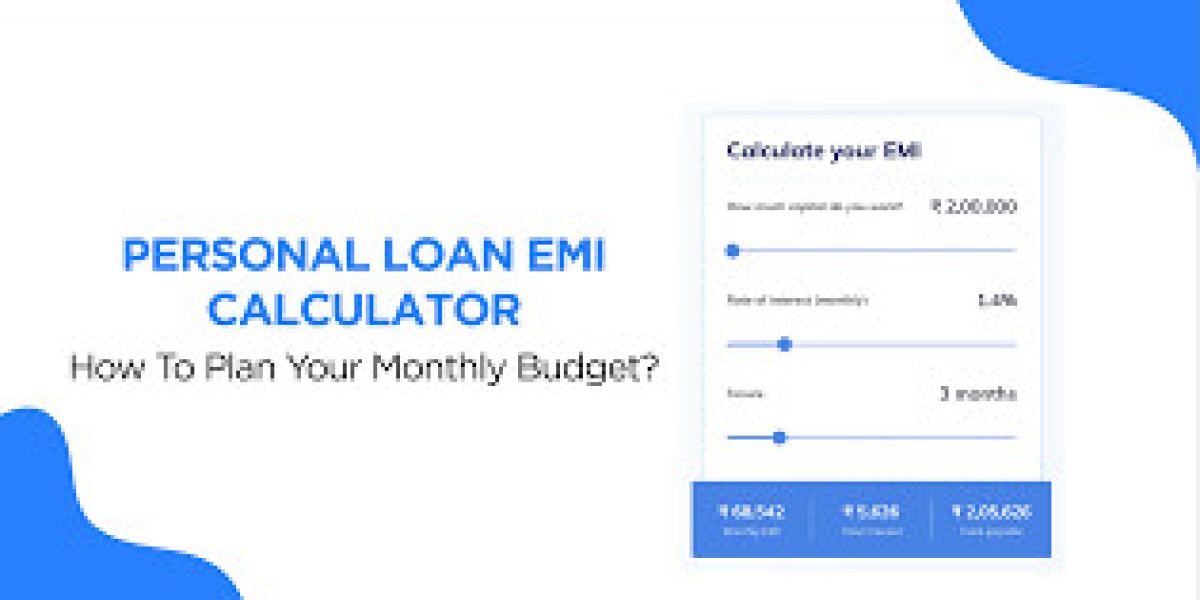

taking a loan feels like a big step toward a dream whether you are buying that shiny new car or finally moving into your own home but the biggest question that keeps people up at night isnt usually the interest rate itself it is the simple stress of wondering can i actually afford this every month nobody wants to sign a paper and then realize two months later that their bank account is empty because the emi is too high
That is exactly why knowing how to calculate emi on loan is your best friend before you even talk to a bank manager. It takes away the guesswork and gives you a clear picture of your financial planning without any of the confusing math or hidden surprises banks sometimes hide in the fine print
Understanding the basics of your borrowing costs
when we talk about an emi or equated monthly installment we are basically looking at a fixed amount of money you pay back to the lender every single month until your loan is totally cleared it sounds simple but there is a lot going on behind the scenes that affects your repayment capacity most people think the emi is just the loan amount divided by the months but that is not how it works because the bank charges you for borrowing their money this charge is the interest component and it is front loaded meaning you pay more interest in the beginning of your loan journey and more of the principal amount toward the end understanding this helps you see why your loan balance doesn't seem to drop much in the first few years
The mathematical secret of the universal emi formula
You don't need to be a math genius to understand this, but knowing the formula helps you see why the total cost of borrowing changes the way it does. The standard way to calculate this involves the principal amount, the annual percentage rate (apr), and the time you take to pay it back
The formula looks like this
$$E = P \times r \times \frac{(1 + r)^n}{((1 + r)^n - 1)}$$
Let’s break down what these letters actually mean so it doesn't look like gibberish
E (EMI), this is the result you are looking for—the amount you pay every month
P (Principal): the total amount of money you are borrowing from the bank
r (Monthly Interest Rate). This is the tricky part: banks give you an annual rate like 12%, but you must divide it by 12 and then by 100 to use it in the formula
n (Tenure in Months), this is the total number of months you have to pay the loan back, e.g., a 5-year loan is 60 months
While you could do this on a piece of paper, using a digital tool is much faster and prevents any human error that could cost you thousands later on
Why you should never take a loan without checking the amortization
I have seen so many stories on Reddit where people took a personal loan because the monthly payment sounded okay, but they forgot to check their total interest outflow over five years. By the time they finished, they had paid back double what they borrowed. Knowing how to calculate emi on loan helps you avoid these traps by showing you the big picture
It helps your debt-to-income ratio. You will know exactly if you are over-leveraged or if you have enough left for savings and groceries, which lets you compare lending institutions. One bank might offer a 9% rate, and another 9.5% it sounds small, but on a long-term mortgage, that small gap can save you a fortune
. It helps you choose the right repayment period. A longer time means smaller monthly payments but much higher accrued interest, a shorter time means higher monthly stress, but you get debt-free faster
The real pain points people discuss
If you browse through financial forums, you will see that people are not just worried about the emi they are worried about the hidden charges. Here are the things a good calculation helps you figure out before you get stuck in a bad deal
The impact of processing fees, many banks charge 1% to 2% upfront, a calculation helps you see if a low-interest loan is still worth it if the fees are huge
for prepayment and foreclosure. Some people want to pay off their loan early if they get a bonus at work. You need to check if your bank allows debt prepayment because it can save you massive amounts of interest
Interest rate fluctuations if the market changes, your emi might go up next year if you have a floating interest rate. Always run the numbers with a 1% or 2% higher rate just to see if your budget can handle the "worst-case scenario."
Step-by-Step Guide to Managing Your Loan Repayment
Calculating your monthly outgoings is super easy, but you have to put in the right numbers to get the right financial projection
Step 1: Enter the principal amount. This is the total cash you need from the bank
Step 2: Enter the interest rate. Make sure you are using the annual rate provided by the lender
Step 3: Choose the loan tenure this is usually in years or months
Step 4: Analyze the result, don't just look at the emi look at the total repayment amount over the whole time
The best part about learning how to calculate emi on a loan is the "what if" game. You can change the numbers as many times as you want. What if I make a higher down payment? What if I pay extra every month, seeing the numbers change in real time gives you a sense of control over your financial health
Different loans need different financial strategies
Not all debt is treated the same by your bank or your budget, and the way you plan for it should be different, too
Home loans are usually for very long periods, like 15 to 30 years. Even a tiny change in the mortgage rate or a small extra payment every year can save you a fortune in the long run
Car loans are usually shorter, 3 to 7 years. The value of the car goes down every day so you want to use the calculation to make sure you arent upside down on your loan where you owe more than the car is worth
unsecured loans: have the highest interest rates because there is no collateral for the bank use the calculation here to make sure you are not borrowing more than you can realistically repay within a year or two
final thoughts on finding financial balance
at the end of the day a loan is just a tool to help you get what you want but it should not become a debt trap that stops you from enjoying your life by knowing how to calculate emi on loan you are being a responsible adult who looks at the facts before making a choice it is the difference between feeling stressed every time a bank message pops up and feeling confident that you have everything under control
Remember to always look at the total cost of credit and not just the monthly payment, and if the numbers look too tight, it is always okay to wait a few more months save a bigger down payment, and then take a smaller loan. Your future self will thank you for the extra breathing room
Frequently asked questions
1 Does calculating my EMI online affect my credit score
No checking your emi is just for your own information. It is a "soft search" for your own knowledge and has nothing to do with your credit history or report, so feel free to check as many times as you like
2. Why is my bank EMI different from the formula result
Sometimes banks add mandatory loan insurance or service taxes to the emi which might make their number slightly higher than the basic calculation. Always ask your bank for a detailed breakup of charges to see where every penny is going
3 Can I change my EMI amount after the loan starts
Usually, you can only change it by refinancing the loan or making a large lump sum payment, which reduces the principal amount. Check with your lender about their specific policy on "re-casting" your loan
4 is a longer tenure, always better because the EMI is low
No longer tenure is actually much more expensive because of the interest accumulation over time it is better to choose the shortest tenure that your monthly budget can comfortably handle without starving
5. What is the difference between flat interest and reducing balance
Most modern loans use reducing balance, which means you only pay interest on what you still owe. Flat rates are much more expensive because they charge interest on the original amount even after you have paid half of it back. Always avoid flat rates if possible