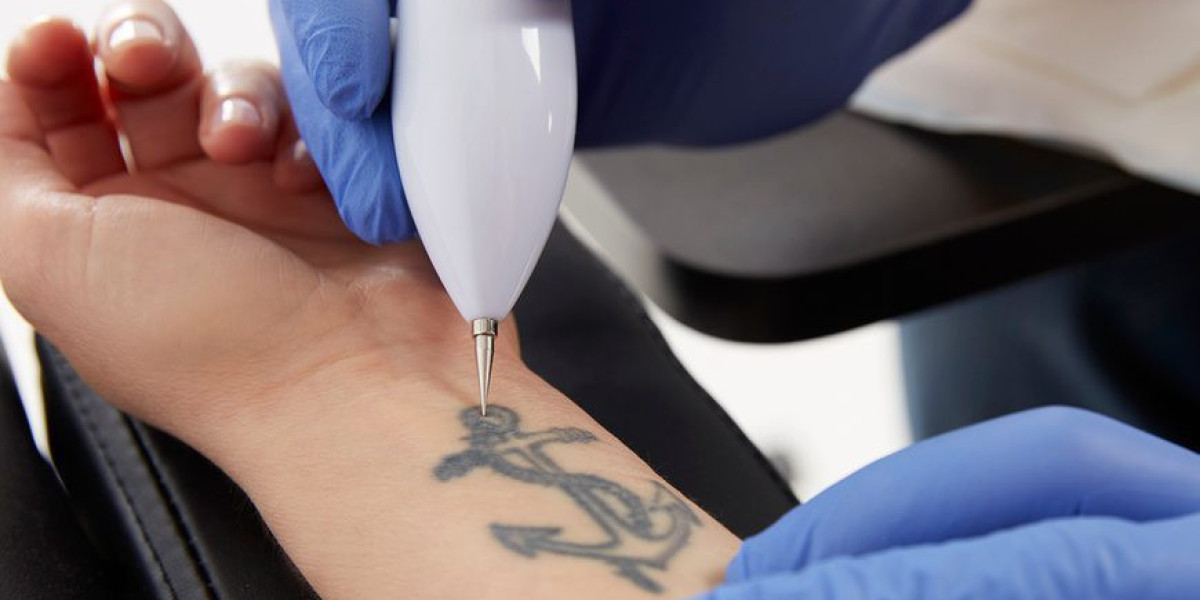

The process of tattoo removal is more than just a laser doing all the work. When someone decides to remove a tattoo, the body steps in as the real hero. Laser treatments break the tattoo ink into smaller particles, but the immune system is the one that clears those fragments away. Without a healthy immune response, the ink would just sit there, even after being shattered by lasers.
Laser Tattoo Removal in Dubai as a hammer that smashes a big rock into tiny pebbles. The immune system then acts like a cleanup crew, sweeping those pebbles out of the body. This teamwork between technology and biology makes removal possible. Each session gives the immune system a manageable job rather than an impossible one.
The Immune Systems Role in Ink Clearance
Once the laser breaks the ink into microscopic pieces, the body recognizes these fragments as foreign invaders. Special immune cells, called macrophages, rush to the scene. These cells are like tiny vacuum cleaners that swallow up the ink particles. After engulfing the debris, the macrophages transport the ink through the lymphatic system. From there, the body naturally eliminates the waste through metabolic processes.
Some ink particles are small enough to pass into the bloodstream and get filtered out by the liver and kidneys. The rest get carried away by the lymphatic fluid. Over several weeks or months, the tattoo gradually fades as the immune system does its job. Each laser session creates a new wave of ink fragments for the immune cells to handle.
Why a Strong Immune System Speeds Up Removal
When a persons immune system is functioning well, tattoo removal tends to progress faster. A robust immune response means more macrophages are available and active. These cells can clear the shattered ink more efficiently between sessions. People who are generally healthy, sleep well, eat nutritious foods, and manage stress often see better results.
On the other hand, a sluggish immune system may take longer to remove the same amount of ink. The body might need more treatment sessions or longer gaps between them. This is why tattoo removal is not a one-size-fits-all timeline. Every persons immune health plays a huge role in how quickly the ink fades.
The Waiting Period Between Sessions: A Clever Design
Many people wonder why tattoo removal appointments are spaced several weeks or months apart. The answer lies in the immune systems natural rhythm. After a laser session, the body needs time to clear the broken ink particles. If another treatment happens too soon, the immune system gets overwhelmed. It cannot keep up with the new wave of debris on top of the old one.
Giving the body eight to twelve weeks between sessions is not a delayit is a strategic pause. During this time, the immune system works quietly in the background. The tattoo continues to fade long after the laser is turned off. Rushing the process often leads to poor results and unnecessary stress on the body.
How Lifestyle Influences Ink Removal
A person can support their immune system without using any special products or following complicated aftercare routines. Simple daily habits make a real difference. Staying hydrated helps the lymphatic system flow properly. Getting enough sleep allows immune cells to regenerate. Eating a balanced diet with plenty of fruits and vegetables provides the nutrients that immune cells need to function.
Regular physical activity also boosts circulation, which helps transport ink debris away from the tattoo site. Reducing stress through activities like walking, reading, or spending time with friends keeps cortisol levels low. High cortisol can suppress immune activity. All of these factors work together to help the body clear tattoo ink more effectively.
Frequently Asked Questions
Does the immune system ever get overwhelmed by tattoo removal?
Yes, the immune system can become overwhelmed if treatments are scheduled too close together. That is why professionals always recommend waiting several weeks between sessions. A healthy immune system handles the workload well when given enough time. Listening to the bodys natural pace is key to successful removal.
Can a person with a weak immune system still remove a tattoo?
Absolutely. People with weaker immune systems can still remove tattoos, but the process may take longer. The body may need more sessions and longer gaps between them. Supporting general health through good sleep, stress management, and proper nutrition helps even those with immune challenges.
How does the lymphatic system fit into all of this?
The lymphatic system acts as the bodys drainage network. After macrophages swallow ink particles, they travel through lymphatic vessels. These vessels carry the debris to lymph nodes, where further processing happens. Eventually, the body eliminates the ink as waste. Without a healthy lymphatic system, ink removal would be nearly impossible.
Does tattoo removal make the immune system stronger over time?
There is no evidence that tattoo removal strengthens the immune system. The process simply uses the immune systems existing abilities. However, some people notice that taking better care of their health during removal leads to overall improved wellness. The immune system remains the same hardworking system it always was.
Conclusion
Laser Tattoo Removal is not just a technological procedureit is a partnership between laser energy and the human immune system. The laser breaks the ink, but the immune system does the real cleanup work. Understanding this relationship helps people appreciate why patience matters and why general health plays such a big role. A well-supported immune system clears ink more efficiently, leading to better fading over time. By respecting the bodys natural rhythm and giving it the rest and care it needs, anyone undergoing tattoo removal can help their immune system succeed. The result is not just a faded tattoo, but a reminder of how remarkably the body heals itself when given the chance.