
Filing a car insurance claim in the UK can feel overwhelming, especially right after an accident. Your heart is racing, you are sorting out recovery, and the last thing you want is paperwork.
But here is the truth: a well-prepared claim with the right evidence can be the difference between a week of stress and a month of delays.
In 2026, insurers expect more than just your word. Many now use AI to assess claims, and they rely on photos, videos, and data to make decisions.
Dashcam footage can settle fault disputes instantly. Telematics data from black boxes can prove what really happened. Knowing what to include before you hit submit speeds everything up.
If the process feels too complicated, or if the other driver is disputing liability, you do not have to go it alone. A reputable best accident claim company UK drivers trust can handle the whole process for you, from gathering evidence to negotiating with insurers. They make sure you get what you are owed without the headache.
This guide covers the five essential things every UK driver should include in their claim, whether it is a minor bump or something more serious.
1. Clear and Accurate Accident Details
Insurers need a full picture of what happened. When you report the incident, stick to the facts. Do not guess. Do not assume. Just describe what you saw and experienced.
Here is what to include:
Date and time of the incident.
Exact location: street name, junction, nearby landmark, or postcode.
Weather and road conditions: Was it raining? Dark? Icy? This matters.
How it happened: A simple, factual account. "I was stopped at traffic lights when the car behind hit me."
Who was involved: Number of vehicles, drivers, passengers.
Any injuries: Even minor ones. Note them.
If you are unsure about a detail, say so. Guessing can cause problems later when your account does not match CCTV or witness statements.
In 2026, many insurers will allow you to submit this information through a claims app. Some even let you record a voice note at the scene. Use these tools if you have them. They capture details while they are fresh.
2. Photographic and Video Evidence
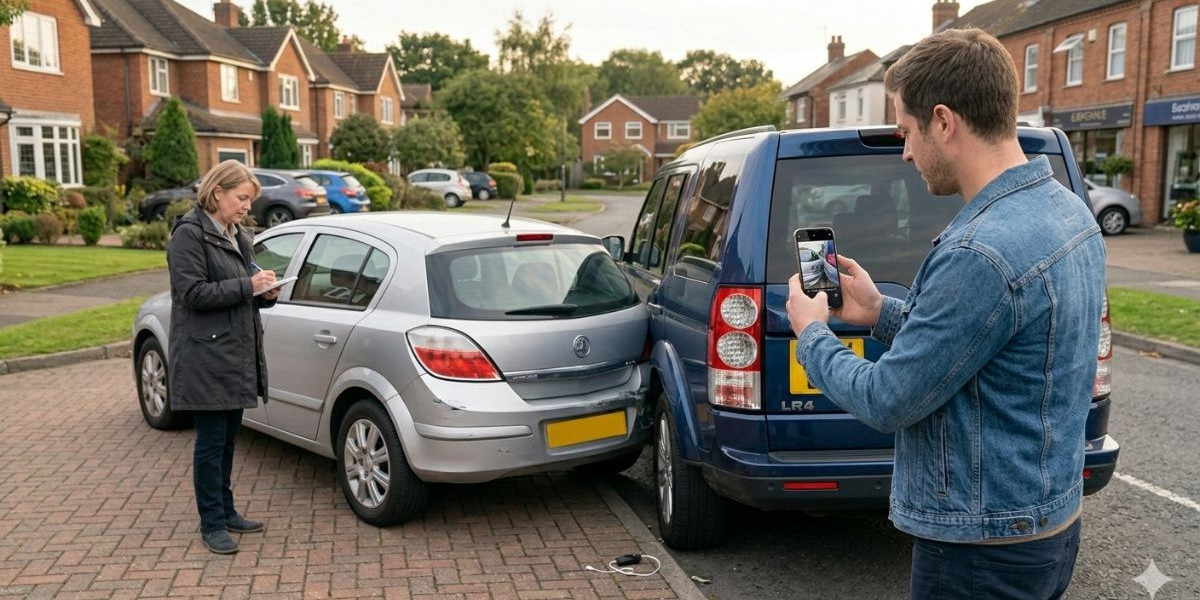
This is the most powerful evidence you can provide. A photo really is worth a thousand words, especially when insurers are deciding who pays.
Make sure your images cover:
All visible damage to your vehicle from multiple angles.
Damage to other vehicles involved.
Number plates of all cars.
The wider scene: Skid marks, debris, road signs, traffic lights, lane markings.
Street names or landmarks to confirm the location.
If you have a dashcam, save the footage immediately. Most insurers now accept video uploads, and footage can settle fault disputes in minutes. In 2026, dashcams are fitted as standard in many new cars, and insurers increasingly expect this evidence.
If there is CCTV nearby, note it. Shops, petrol stations, and even some homes have cameras. You may not be able to get the footage yourself, but your insurer or a best accident claim company UK based can request it for you.
3. Driver, Passenger, and Witness Information
You cannot have too much information here. Insurers need to know who was involved and who saw what.
Other Drivers' Details
Full name
Phone number
Address
Insurance company and policy number (if they have it)
Vehicle registration
Make and model of their car
If the other driver will not give details, note their number plate and report it to the police. Driving without insurance or leaving the scene is a crime.
Passenger Information
List everyone in your car at the time. Note any injuries, even if they seem minor now. Whiplash claims must go through the Official Injury Portal, and passenger details are required.
Witnesses
Independent witnesses are gold. If someone saw the incident and has no connection to either driver, their account can settle disputes quickly.
Get:
Their name
Phone number
A brief note on what they saw
A neutral witness statement often carries more weight than either driver's account.
4. Your Policy Information and Supporting Documents
When you submit your claim, insurers need to confirm who you are and what cover you have.
Have these ready:
Your insurance policy number.
Your driving licence details.
Proof of ownership: V5C logbook or purchase receipt.
Service history if the claim involves mechanical failure.
Previous communication with your insurer about the vehicle.
If the incident involves theft, vandalism, or a hit-and-run, you also need:
A crime reference number from the police.
A short statement about what happened.
CCTV or dashcam footage if available.
Providing these documents upfront stops insurers coming back to you with repeated requests. It keeps your claim moving.
5. Repair Estimates and Garage Reports
Insurers need to know what the repair will cost. Providing estimates early helps them assess the claim and decide whether to repair or write off the vehicle.
What to include:
A written estimate from a garage listing parts and labour.
Photos from the garage if they offer them.
Receipts if you have paid for small emergency repairs (like a temporary tyre).
If your insurer has approved repairers, using one can speed things up. They already have agreements in place, and the garage will often deal directly with the insurer.
If your car cannot be driven, tell your insurer immediately. They can arrange recovery. Some policies include a courtesy car, but only once the vehicle is at an approved garage.
In 2026, many insurers will use AI to assess repair estimates. Providing clear, detailed quotes helps the system process your claim faster.
What Has Changed in 2026?
The claims process is not what it was five years ago. Here is what is different.
Digital Claims Are the Norm
Most major insurers now have apps that guide you through the claims process step by step. You can upload photos, submit statements, and track progress from your phone. Use them.
AI Assesses the Evidence
Artificial intelligence now reviews many claims. It looks at photos, compares them to databases, and makes initial decisions on fault and cost. Clear, well-lit photos help the AI do its job.
Dashcams Are Expected
If you have a dashcam, insurers expect the footage. It is the single best piece of evidence you can provide. If you do not have one, consider fitting one. They are cheap and can save thousands in disputed claims.
Telematics Data Speaks
If you have a black box policy, your driving data may be used to verify what happened. Hard braking, cornering speeds, and impact detection all tell a story. Do not worry, if you were not at fault, the data will back you up.
The Official Injury Portal
Minor injury claims, including whiplash, now go through a government portal. This has changed how insurers handle claims. They are quicker to admit liability in some cases but slower to pay out in others. Having strong evidence from day one is essential.
Why Professional Help Matters
Even with all the right evidence, claims can get complicated. The other driver may lie. Their insurer may delay. You might be offered less than your claim is worth.
That is when you bring in the experts. A trusted best accident claim company UK drivers recommend will:
Handle all communication with insurers.
Gather evidence you might have missed.
Arrange a courtesy car if you need one.
Chase the at-fault party for costs.
Protect your no-claims bonus.
Recover uninsured losses like your excess.
They work on a no-win, no-fee basis for many claims, so there is no upfront cost. They only get paid when you do.
What to Avoid When Claiming
Even experienced drivers make mistakes. Here are the pitfalls.
Admitting fault at the scene. Leave that to the insurers. You may not have all the facts.
Posting on social media. Insurers check. Anything you say can be used against you.
Delaying the report. Most policies require notification within 24 hours.
Giving inconsistent statements. Make sure what you say in writing matches what you said on the phone.
Accepting the first offer. If your car is a write-off, the first offer is often negotiable.
Final Thoughts
A successful car insurance claim comes down to preparation. The more evidence you have, the faster and fairer the process.
In 2026, that means photos, videos, dashcam footage, witness details, and accurate reports. It means using digital tools and understanding how AI assesses your claim. And it means knowing when to bring in professional help.
If you are ever unsure, or if the claim turns complicated, a reputable best accident claim company UK drivers trust can take the weight off your shoulders. They fight your corner so you can focus on getting back to normal.
Keep this guide in your glovebox. Share it with your family. And if the worst happens, you will know exactly what to do.