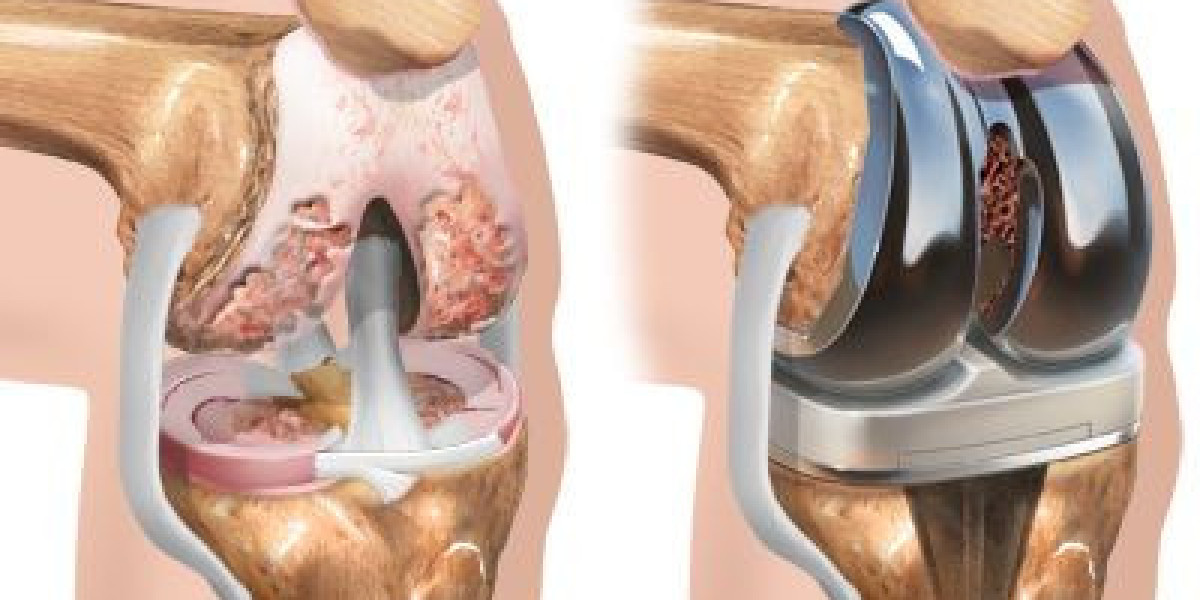

Knee replacement surgery is a life-changing procedure for patients suffering from severe arthritis, deformities, or chronic knee pain. The advent of robotic knee replacement surgery has revolutionized this field by offering enhanced precision, minimal tissue damage, and predictable outcomes. This approach improves surgical accuracy and patient satisfaction while shortening recovery time.
In this blog, we discuss the procedure, safety measures, and outcomes of robotic-assisted knee replacement, providing patients with a complete guide.
Understanding Robotic Knee Replacement Surgery
Robotic knee replacement surgery is an advanced technique where robotic systems assist surgeons during total or partial knee replacement. Unlike traditional surgery, robotic technology provides a 3D preoperative model of the knee, enabling precise implant positioning and optimal alignment.
The robot acts as a guide, while the surgeon remains fully in control, ensuring both safety and accuracy.
Step-by-Step Procedure of Robotic Knee Replacement
1. Preoperative Planning
The first step involves creating a detailed 3D map of the patient’s knee using CT or MRI scans. This digital model allows for:
Customized implant sizing
Exact bone cut planning
Assessment of ligament balance
This planning ensures that the robotic knee replacement surgery is personalized for each patient.
2. Surgical Execution
During surgery, small incisions are made. Robotic tools help guide bone preparation and implant placement while minimizing damage to surrounding tissues. Surgeons receive real-time feedback, allowing fine adjustments for precise alignment.
3. Implant Placement
The knee implant is positioned accurately based on the preoperative plan. Proper alignment improves joint function, reduces pain, and increases implant longevity.
4. Post-Surgery Evaluation
After the procedure, imaging confirms correct implant placement, and rehabilitation plans are initiated.
Safety Considerations in Robotic Knee Replacement
Safety is a key advantage of robotic-assisted surgery. Measures include:
Minimized human error: Real-time guidance prevents incorrect bone cuts.
Soft tissue preservation: Reduced trauma to ligaments and muscles leads to less pain.
Lower complication rates: Accurate alignment reduces risk of implant loosening or early failure.
Surgeon control: The robot is a tool, not an autonomous operator, ensuring expert oversight.
Patients can feel confident about the safety and predictability of robotic procedures compared to conventional surgery.
Recovery After Robotic Knee Replacement
Knee Replacement Recovery is often faster after robotic-assisted surgery. Benefits include:
Early mobilization and walking
Reduced post-operative pain and swelling
Shorter hospital stays
Faster return to daily activities
Robotic surgery allows patients to follow a structured physiotherapy program that strengthens muscles and restores function efficiently.
Expected Outcomes and Long-Term Benefits
Patients undergoing robotic knee replacement surgery generally experience excellent outcomes:
Higher alignment accuracy for better mobility
Improved joint stability
Lower revision surgery rates
Better overall knee function and comfort
Studies also suggest that the knee replacement success rate with robotic guidance is higher than conventional methods due to precise implant placement.
Cost Considerations
Many patients inquire about the robotic knee replacement cost and affordability. The robotic knee replacement surgery cost in India depends on:
Hospital infrastructure and technology
Surgeon expertise
Type of implant used
Length of hospital stay
Though more expensive than traditional surgery, the cost of robotic surgery can be justified by faster recovery, fewer complications, and long-term durability of the implant.
Choosing the Right Surgeon
Selecting a skilled surgeon is crucial for success. Consulting the best knee replacement surgeon in Delhi or at a specialized orthopedic center ensures expert use of robotic systems. Surgeon experience combined with robotic technology leads to superior outcomes.
Advantages of Robotic Total Knee Replacement Surgery
Robotic total knee replacement surgery provides benefits such as:
Precise joint alignment
Minimal tissue trauma
Shorter recovery time
Enhanced functional outcomes
Reduced post-operative complications
Patients can return to daily activities, exercise, and work sooner than after traditional knee replacement.
Potential Risks and Considerations
While robotic-assisted surgery is safe, patients should understand possible risks, which include:
Infection (rare)
Blood clots
Implant loosening (less frequent with robotic surgery)
Discussing risks with your surgeon ensures realistic expectations and informed consent.
Conclusion
Robotic knee replacement surgery offers unparalleled precision, safety, and predictable outcomes for patients requiring knee replacement. From preoperative planning to rehabilitation, the procedure focuses on accuracy, minimal tissue damage, and faster recovery.
With expert surgeons, advanced technology, and structured rehabilitation, patients can expect improved mobility, long-term pain relief, and high satisfaction. Robotic knee replacement is increasingly becoming the gold standard in modern orthopedic care.