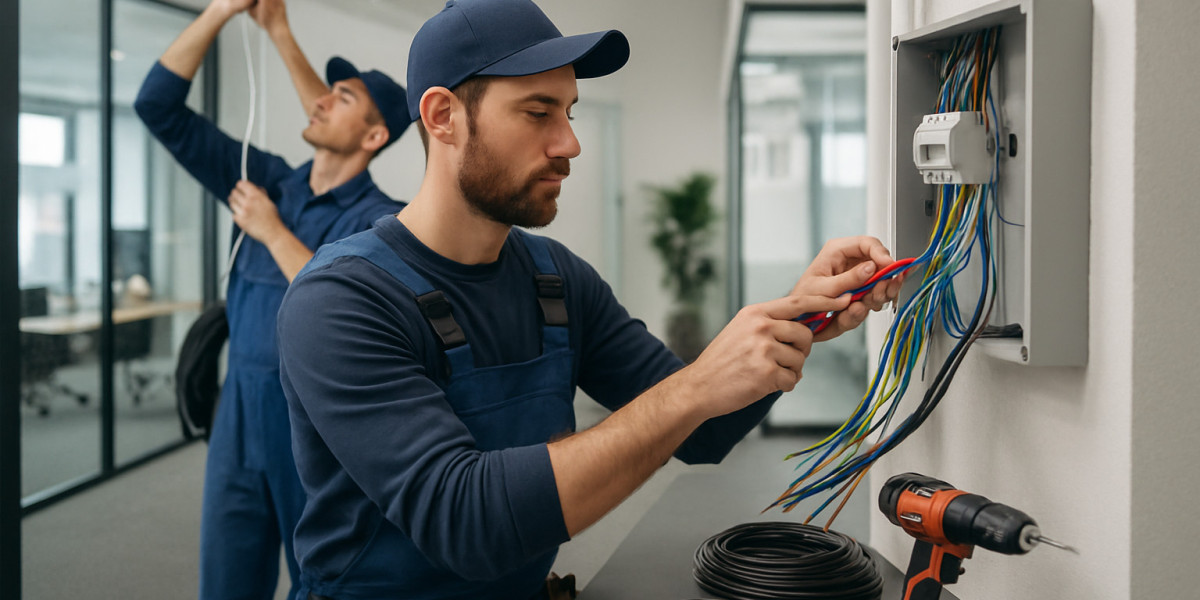

Wiring is one of those things that most people never notice when it’s done right, but always regret when it’s done wrong. From home automation and security systems to structured cabling and lighting controls, low voltage wiring plays a critical role in how modern spaces function. Unfortunately, many costly issues begin with rushed installations, poor planning, or unqualified work.
The difference between a clean, reliable system and one plagued by failures often comes down to who installs it. Working with a qualified low voltage contractor can mean the difference between a future-proof installation and years of troubleshooting, repairs, and unexpected expenses.
Understanding the Complexity of Low Voltage Systems
Low voltage wiring may sound simple because it does not carry high electrical loads, but the systems it supports are anything but basic. Data networks, surveillance cameras, access control, audio systems, and smart technology all rely on precise wiring standards and proper configuration.
Mistakes made during installation can cause signal interference, system instability, and performance issues that are difficult to diagnose later. Poor cable routing, incorrect terminations, and inadequate grounding often remain hidden until systems start failing under real-world use.
Planning Versus Guesswork
One of the clearest differences between professional installations and costly mistakes is planning. Professional installers begin with a structured layout that accounts for current needs and future expansion. Cable pathways, equipment locations, and termination points are all mapped before work begins.
In contrast, rushed or inexperienced installers often rely on guesswork. Cables are run wherever it seems convenient, documentation is skipped, and no consideration is given to future upgrades. These shortcuts save time initially but create long-term problems when systems need to be expanded or repaired.
Code Compliance and Industry Standards
Low voltage systems are still subject to codes and industry standards. Fire ratings, plenum requirements, grounding practices, and separation from high-voltage lines all matter. Ignoring these standards increases the risk of system failure and safety issues.
A professional low voltage contractor understands local codes and best practices. Installations are completed to meet compliance requirements, reducing liability and ensuring systems pass inspections. This level of expertise protects both property owners and occupants from avoidable risks.
Clean Installation and Cable Management
Cable management is more than aesthetics. Proper bundling, labeling, and routing prevent interference, overheating, and signal degradation. Professional installations prioritize organization because it directly impacts system performance and serviceability.
Messy wiring leads to confusion during troubleshooting. When cables are unlabeled or tangled, simple changes become time-consuming and expensive. Clean installations allow technicians to identify issues quickly and make adjustments without disrupting other systems.
Quality Materials and Proper Termination
Another major separator between professional work and costly mistakes is material quality. Cheap cables, connectors, and hardware may function initially but often fail prematurely. Poor terminations cause intermittent connectivity issues that are difficult to trace.
Professionals use tested materials and follow proper termination techniques. Connections are secure, tested, and documented. This attention to detail reduces future maintenance costs and ensures consistent system performance.
Testing Before Handover
Many wiring issues only appear after systems go live. Professional installations include thorough testing before handover. Cables are certified, connections are verified, and systems are validated under load.
Skipping testing is a common mistake in low-quality installations. Without proper verification, hidden issues remain undiscovered until they cause downtime. Testing ensures systems work as intended from day one.
Accountability and Documentation
Documentation is often overlooked but critically important. Professional installations include labeling, diagrams, and records that show how systems are built. This documentation supports future maintenance, upgrades, and troubleshooting.
When documentation is missing, every change becomes an investigation. A skilled low voltage contractor delivers not just a working system, but also the information needed to manage it long term.
Long-Term Cost Versus Short-Term Savings
Hiring unqualified installers may appear cheaper upfront, but the long-term costs quickly outweigh initial savings. Rework, downtime, equipment damage, and repeated service calls add up fast.
Professional installations reduce these risks by doing the job right the first time. Systems last longer, perform better, and adapt more easily to future needs. Over time, professional work proves to be the more cost-effective choice.
Supporting Future Technology
Technology evolves quickly. Systems installed today must support future upgrades without requiring complete rewiring. Professionals design installations with scalability in mind, allowing new devices and technologies to be added without disruption.
Poor installations lock properties into outdated infrastructure. Upgrading becomes expensive and invasive, often requiring cables to be replaced or rerouted entirely.
Conclusion
Costly wiring mistakes are rarely obvious at first, but their impact grows over time. Poor planning, low-quality materials, lack of testing, and missing documentation all contribute to unreliable systems and higher long-term costs.
What separates professional wiring installations from these mistakes is experience, planning, and accountability. By working with a qualified low voltage contractor, property owners protect their investment, ensure reliable performance, and avoid the hidden costs that come from cutting corners.





