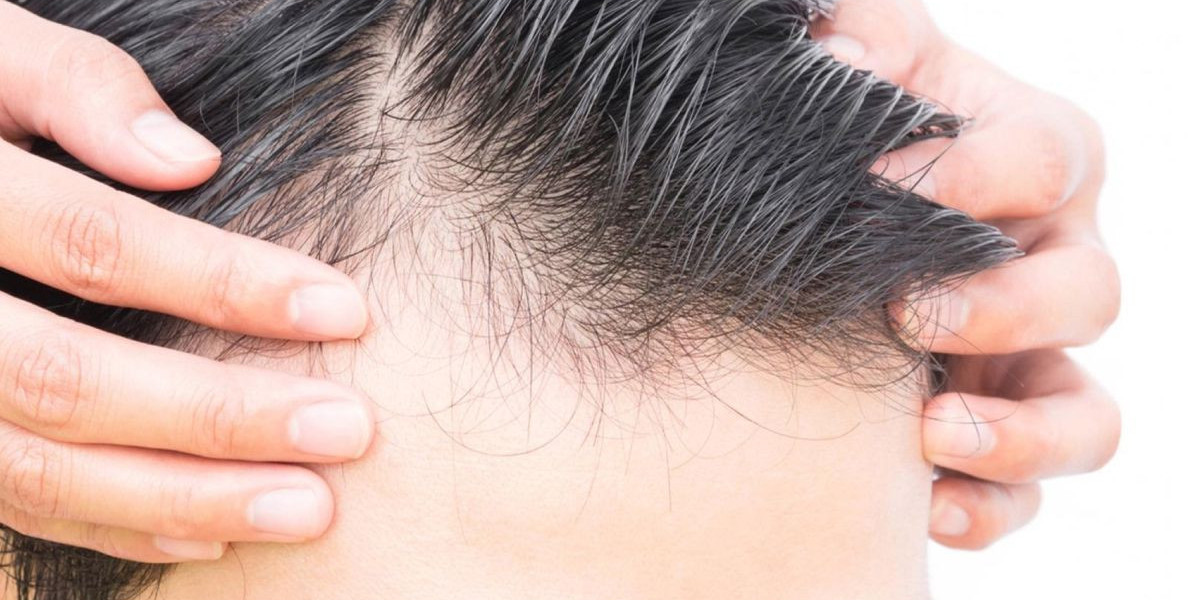

Hair loss can be a deeply personal and often emotional experience. Many individuals facing thinning hair or a receding hairline find themselves searching for effective, lasting solutions. Among various options, Follicular Unit Extraction (FUE) has emerged as a leading hair restoration treatment due to its minimally invasive nature and natural-looking results. In this comprehensive guide, we’ll explore How Soon You Can See Results from FUE Hair Transplant Treatment, what to expect at each stage of recovery, and how to maximize your outcome.
In this article, we’ll also take a closer look at the experience of patients considering FUE Hair Transplant in Riyadh, covering recovery timelines, realistic expectations, and practical tips for anyone on the journey to restoring their hair and confidence.
Understanding FUE Hair Transplant Treatment
What Is FUE Hair Transplant Treatment?
Follicular Unit Extraction (FUE) is a surgical procedure designed to restore hair by harvesting individual hair follicles from a donor area (usually the back and sides of the scalp) and implanting them in areas experiencing hair loss. Unlike older methods that remove a strip of scalp, FUE extracts follicles one by one, leaving tiny, almost invisible marks.
The main goal of FUE is to deliver natural hair growth with minimal scarring and quicker recovery. This approach has become especially popular among those who want effective results without extensive downtime.
The Journey Begins: What to Expect Immediately After Treatment
First 24–48 Hours: Immediate Post-Procedure
After your FUE session, your scalp will feel sensitive, and you might notice redness and small scabs on the transplanted area. These are normal reactions. Your surgeon will provide a detailed aftercare plan, including how to clean the area gently and which medications can reduce swelling or discomfort.
Key Points:
Mild soreness and redness are common immediately after FUE.
Tiny scabs will begin forming around transplanted follicles.
Follow initial aftercare instructions carefully to protect the grafts.
Days 3–7: Initial Healing Phase
What Happens in the First Week?
During the first week, your scalp will continue healing. Most patients find that swelling decreases after day three or four. You’ll also want to avoid strenuous activities that might irritate the scalp. You may notice some shedding of transplanted hairs—this is completely normal and expected.
Why It Happens:
The hair shaft often falls out before new growth begins, a process called shock loss. This is part of the natural follicle cycle and not a sign that the procedure failed.
Weeks 2–4: Early Signs and Shedding Phase
Shedding Isn’t Failure — It’s Part of Growth
It might seem confusing at this stage: you’ve undergone a hair transplant, yet some of your newly implanted hairs are shedding. This is a standard and temporary phase. The follicles have entered the resting phase before they transition into active growth.
Important Notes:
Don’t panic if you notice shedding — it’s expected.
The follicles remain beneath the skin and are preparing to enter the growth stage.
Take care of your scalp as advised and avoid scratching or irritation.
One to Three Months: Dormant But Preparing for Growth
The Quiet Phase Before Visible Progress
Between the first and third months, most patients won’t see dramatic changes. This can be the most patience-testing period. Despite the lack of visible growth, hair follicles are transitioning from their dormant stage into an active growth phase deep under the surface.
Helpful Insight:
Visible growth often begins around the 3–4 month mark.
Don’t judge progress solely by what you see — internal healing is taking place.
Healthy lifestyle habits support better outcomes.
Three to Six Months: Early Growth Starts
The First Noticeable Results
Around three months after treatment, many patients begin noticing fine, soft hairs where bald patches once existed. Growth will be gradual and may start as light, thin hairs before thickening over time. This is a significant milestone, as it shows the follicles have successfully transitioned into growth mode.
What You Might Observe:
Fine hairs emerging in treated areas.
Gradual increase in hair density.
Continued improvement month by month.
Six to Nine Months: Fuller and Thicker Results
Confidence Begins to Grow
By month six, most patients experience noticeable, thicker growth. The texture becomes denser, and the overall appearance continues improving. Photos taken monthly during this stage often show dramatic improvement compared to the early weeks.
Things to Expect:
Denser, stronger hairs.
Improved confidence and satisfaction with results.
Less visible contrast between transplanted and existing hair.
Nine to Twelve Months: Near-Final Results
The Transformation Completes
Between nine and twelve months, the majority of growth has emerged. Hair continues to thicken and mature, offering a natural and revitalized look. While some individuals may see incremental improvements up to 15 months, the twelve-month mark is often where results are considered near-final.
Final Touches:
Hair looks and feels natural.
You can style it as desired.
Most patients feel pleased with the transformation.
Factors That Influence How Soon You See Results
Individual Healing and Biology
Everyone’s body heals differently. Age, genetics, overall health, and hair characteristics can influence how quickly you’ll see results. Patience is key — while some individuals show early improvement by month three, others may need a few more weeks.
Quality of Aftercare and Adherence to Instructions
Following your surgeon’s aftercare instructions significantly affects outcomes. Gentle washing, avoiding direct sun exposure, and appropriate nutrition promote healthier and faster hair growth.
Top Aftercare Tips:
Keep the scalp clean and dry as recommended.
Avoid heavy exercise for the first few days.
Don’t pick at scabs or newly transplanted areas.
Lifestyle and Nutrition
Your overall lifestyle plays a supporting role in hair growth. A balanced diet rich in protein, vitamins, and minerals helps fuel hair follicles as they enter the growth phase.
Helpful Habits:
Eat nutrient-rich foods (e.g., leafy greens, lean proteins, healthy fats).
Stay hydrated.
Avoid smoking and excessive alcohol consumption.
Common Myths vs. Facts About FUE Hair Transplant Recovery
Myth: You’ll See Full Results in Just a Few Weeks
Fact: Most visible results appear around three to six months, with final outcomes by 12 months. Immediate dramatic growth is unrealistic and not medically accurate.
Myth: Shedding Means the Treatment Failed
Fact: Shedding is a normal and expected stage of the growth cycle. What matters is the long-term emergence of new growth.
Myth: Once the Hair Grows, You Don’t Need Aftercare
Fact: Even after growth begins, taking care of your scalp and hair health supports stronger, lasting results.
Why Patient Expectations Matter
Setting Realistic Goals
Understanding the timeline helps manage expectations. While before-and-after photos can be inspiring, every individual’s results vary. Realistic expectations lead to greater satisfaction and less anxiety during the healing process.
Key Reminder:
Hair restoration isn’t instantaneous — it’s a journey of gradual improvement.
Choosing the Right Clinic for Your FUE Journey
Expertise, Safety, and Personalized Care
Selecting a reputable clinic with experienced professionals enhances the likelihood of successful outcomes. Procedures should be conducted in a sterile environment with modern tools and personalized treatment plans.
This is why many patients seeking high-quality care choose options like FUE Hair Transplant in Riyadh, where expert teams specialize in delivering natural and lasting results.
How to Monitor Your Progress
Before and After Photos
Taking regular photos under consistent lighting helps you track subtle changes. Many patients are surprised at how much improvement they notice month by month when they compare images.
Regular Follow-Up Appointments
Ongoing check-ins with your surgeon help ensure you’re healing correctly and any concerns are addressed promptly. These appointments help tailor aftercare advice as needed.
Staying Motivated Throughout the Journey
Celebrate Small Milestones
It’s normal to feel impatient during the early months, especially during the shedding phase. A helpful mindset shift is to celebrate every small sign of progress — from the first tiny hairs to thicker strands.
Connect with Supportive Communities
Support groups and forums can offer encouragement from people who have gone through similar experiences. Sharing stories, tips, and milestones can help you stay positive and informed.
When to Seek Professional Advice
Signs to Watch For
While discomfort and mild redness are expected, persistent pain, severe swelling, or signs of infection should prompt a call to your clinic. Prompt attention ensures your healing process stays on track.
Final Thoughts: Patience Leads to Rewarding Results
Understanding the timeline for FUE Hair Transplant results helps you approach your journey with confidence and patience. Remember that each person heals at a different pace, and visible improvements unfold gradually over time.
Choosing experienced professionals and following aftercare instructions closely makes a meaningful difference in achieving the natural, lasting results you desire.
Ready to Begin Your Hair Restoration Journey?
If you’re considering FUE and want expert care with personalized attention, schedule a consultation with Royal Clinic Saudia today. Their dedicated team is committed to helping you achieve the best possible results and feel confident in your transformation.
Frequently Asked Questions
1. When will I see the first signs of new hair growth after FUE?
Most patients begin to notice new hair growth between three to four months post-treatment, with more significant improvements around six months.
2. Is it normal to experience shedding after my FUE transplant?
Yes — shedding of transplanted hairs during the first few weeks is a normal part of the hair growth cycle and does not indicate failure.
3. Can I speed up my results with supplements or medications?
While some supplements and topical treatments may support hair health, always consult your surgeon before starting anything new.
4. Will the transplanted hair continue to grow like natural hair?
Yes — once the transplanted hair enters the growth phase, it behaves like natural hair and can be washed, styled, and cut normally.





