
What Camera Lens Is Best for Night Photography?
Night photography is one of the most captivating genres in the visual world of storytelling. From glowing cityscapes to star-filled skies and evening portraits, shooting in the dark presents a magical opportunity for photographers. However, night photography also comes with serious technical challenges. The lack of light demands equipment that can absorb as much illumination as possible, and this starts with selecting the right camera lens.
The best lens for night photography is not just about focal length; it also depends on aperture size, optical quality, stabilization, and how well it performs in low-light environments. The right choice can dramatically enhance exposure, reduce noise, and produce sharp, vibrant images without over-reliance on artificial lighting or complex post-processing.
Understanding what makes a lens suitable for night shots is essential, especially for professionals capturing city light trails, astrophotography, evening events, commercial campaigns, or filmmaking under ambient light. Let’s explore what truly defines the best lens for night photography in 2025.
Why Lens Choice Matters in Night Photography
Unlike daytime shooting, where light is abundant, night photography pushes the camera to its limits. In low-light situations, the lens becomes the primary gateway for light entering the sensor. A lens with a wide aperture such as f/1.2, f/1.4, or f/2.8 allows more light to pass through, enabling faster shutter speeds and lower ISO levels.
Without the right lens, the camera may struggle, resulting in noisy images, blurry motion, or improperly exposed backgrounds. This is why experienced photographers rely on fast prime lenses and specific zoom lenses optimized for sharpness and brightness in dark environments.
Different night photography subjects demand different focal lengths and designs. For example, star photography requires ultra-wide lenses, while night portraits need bright primes with artistic bokeh. Choosing the proper type ensures you do not miss details hidden in the darkness.
Wide-Angle Lenses for Night Landscapes and Astrophotography
Wide-angle lenses are often the first choice for night photography because they capture broad scenes, city skylines, and expansive starry skies. Their ability to gather more of the environment into a single frame makes them perfect for Milky Way shots, light trails, and architectural nightscapes.
Lenses ranging from 14mm to 24mm are among the most popular for astrophotography. With apertures as wide as f/1.4 or f/2.8, they allow photographers to capture stars without relying too heavily on high ISO values. The clarity and detail they preserve at night help produce magical, true-to-life celestial imagery.
Sharpness across the frame is crucial for night landscapes because stars can easily distort at wider apertures. High-quality optics ensure pinpoint star rendering without streaking or coma distortion. This makes professional-grade wide-angle lenses a go-to tool for enthusiasts and experts alike.
Fast Prime Lenses for Night Portraits and Street Photography
Night photography isn’t limited to sky and scenery. City streets, festivals, concerts, and nighttime portraits often reveal striking emotions under artificial and ambient lights. In these moments, fast prime lenses stand out as the essential tools.
Primes such as 35mm f/1.4, 50mm f/1.4, and 85mm f/1.4 provide shallow depth of field, allowing subjects to stand out sharply against dramatic night backgrounds. Their wide apertures help capture scenes in dim light without slowing shutter speed too much, preventing motion blur.
These lenses also enhance aesthetic quality, producing creamy bokeh from streetlights, headlights, neon signs, or decorative lights. That magical glow becomes part of the narrative. For filmmakers and portrait photographers documenting nightlife, a fast prime lens is indispensable.
Telephoto Lenses for Event and City Night Scenes
Telephoto lenses may not be the first thought for night shooting, but they play a masterful role in specific scenarios. Evening sports, wedding receptions, stage events, and documentary-style shoots benefit from telephoto zooms with wide apertures like f/2.8.
They allow photographers to capture distant subjects without sacrificing brightness. Their advanced stabilization systems help reduce blur when handheld at slower shutter speeds, an advantage when tripods are not practical.
Telephoto lenses create visually dramatic compression effects, pulling blurred background lights closer to subjects, often resulting in beautifully stylized night portraits and commercial shots. For professionals working in production houses such as Hope Enterprises, these lenses provide the range and aesthetic quality needed for campaigns and cinematic photography.
Why Aperture Size Matters the Most
The most defining characteristics of night photography lenses is aperture size. Aperture controls how much light enters the camera. The wider the aperture (smaller f-number), the more efficiently the camera captures brightness in dark conditions.
Aperture also influences artistic depth. Wider apertures produce shallow focus, helping isolate subjects even in busy night scenes. This combination of brightness and creative background blur is why lenses with f/1.2, f/1.4, and f/2.8 are considered superior in low-light shooting.
However, aperture must be balanced based on the scene. Ultra-wide landscapes may require smaller aperture settings to keep details sharp across the frame. Meanwhile, portrait photographers benefit from maximum light intake. Knowing when to adjust aperture helps photographers maintain professional exposure while shaping creative style.
How Lens Quality Reduces Noise in Night Photography
Many beginners mistakenly assume that ISO alone controls night noise. The truth is, lens optics play a huge role in how clean an image looks. A high-quality lens allows a photographer to lower ISO because it absorbs more light and maintains sharpness even at wide apertures.
A poorly-built lens with weak coatings or low-quality glass loses contrast and clarity in low light. Flare from artificial lights can wash out details, and the photographer may need to raise ISO to fix exposure, introducing noise. This shows how investing in good lenses directly improves night image quality.
Photographers researching equipment often explore curated collections like camera lenses price in pakistan to choose lenses that minimize noise through superior optics, ensuring clean results even at night.
Choosing Reliable Lens Brands for Night Photography
Professional night photographers require gear that remains dependable in harsh environments, whether shooting cold skies, humid city nights, or long outdoor exposures. This is where brand reliability matters.
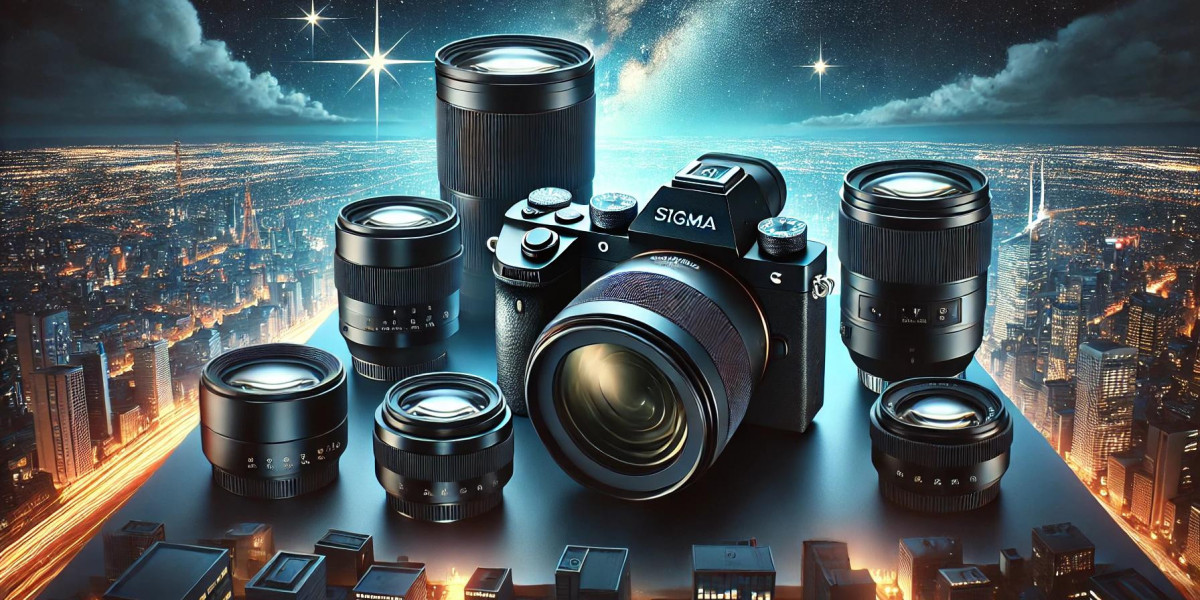
Lenses with durable weather sealing, advanced coatings, and high-transmission glass ensure consistent performance. In Pakistan, brands such as SIGMA are widely trusted for night photography, especially due to their renowned Art series designed for sharpness and wide-aperture excellence.
Photographers looking for authentic, well-supported lenses depend on verified distributors like sigma photo to access original gear and reliable warranties. Quality support encourages long-term creative investment, especially for professionals shaping their careers in low-light photography.
Conclusion: The Best Lens for Night Photography
The best camera lens for night photography is one that excels at gathering light and maintaining clarity, color accuracy, and artistic flexibility. Wide-angle lenses thrive in astrophotography and night landscapes, fast prime lenses bring depth and richness to portraits and street shots, and telephoto lenses enhance event work with clarity and powerful compression effects.
Wide apertures such as f/1.4 or f/2.8 are essential for bright, clean night images. Lens quality determines how much light is captured and how effectively noise remains low. Photographers can elevate their night photography by combining the right lens type with exposure control and creative intention.
Ultimately, the ideal night photography lens depends on the subject and vision. With the right tools, night scenes transform into expressive visual stories, revealing beauty often hidden in the dark.